Labia Majora Remodelling in Sydney
Technical Explanation of the Procedure
Labia majora remodelling in Sydney refers to a tailored surgical or non-surgical approach designed to improve the shape, volume, symmetry, or skin laxity of the labia majora (outer labial folds). Over time, factors such as ageing, childbirth, weight loss and genetics can change the appearance and feel of the labia majora. As a result, some women experience discomfort, irritation in clothing, or concerns about asymmetry or volume loss. For this reason, some women also explore related procedures such as labiaplasty or pubic liposuction and pubic lift, depending on anatomy and symptoms.
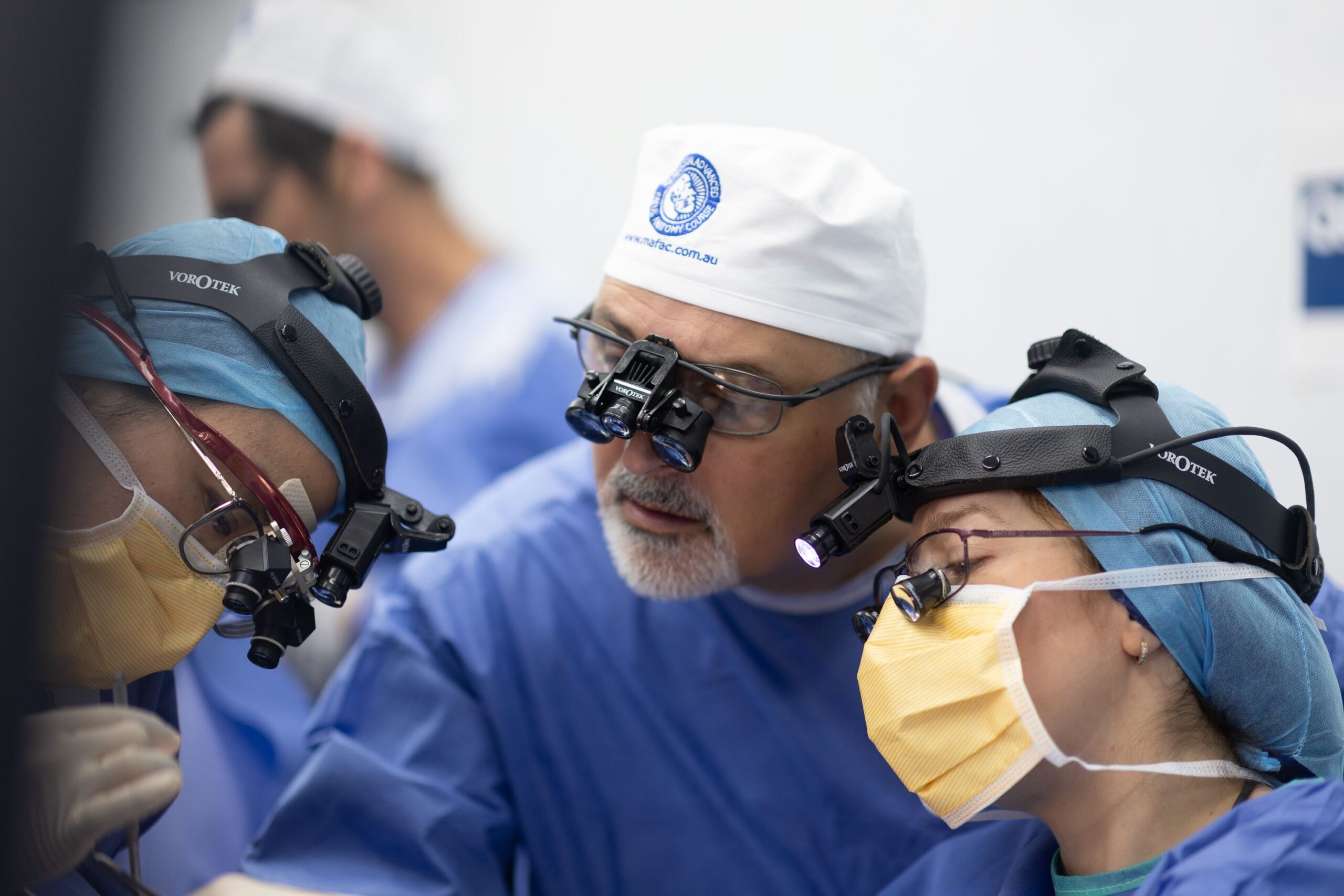
A./Prof. Tim Papadopoulos (FRACS) tailors labia majora remodelling in Sydney to each patient’s anatomy, symptoms, and goals. During consultation, Dr Tim performs a respectful assessment and discusses suitability, treatment options, recovery, risks and realistic outcomes as part of informed consent. Importantly, results vary between individuals, and the aim is improved comfort and proportion rather than a standardised appearance.
In addition, Dr Tim may discuss whether anatomy changes relate to pregnancy or weight change, and whether procedures such as post-pregnancy surgery or post-massive weight loss surgery may be relevant in selected patients.
When Labia Majora Remodelling May Be Considered
Patients may consider labia majora remodelling for concerns such as:
-
excess skin or sagging of the labia majora
-
volume loss and “deflated” appearance (ageing-related)
-
asymmetry between sides
-
discomfort with certain clothing or sport
-
changes following childbirth or weight loss
Because genital anatomy varies widely, Dr Tim focuses on your individual anatomy, functional symptoms, and preferences. Furthermore, when skin excess also affects adjacent areas, Dr Tim may discuss body contouring options such as thigh lift surgery in selected patients.
Surgical Labia Majora Remodelling Options
Dr Tim may recommend surgical correction when skin excess or tissue laxity is significant.
Labia majora reduction (excess skin/tissue)
When the labia majora are enlarged or redundant, Dr Tim can remove a controlled amount of excess tissue and reshape the contour. He places incisions carefully to support healing and minimise visible scarring.
Volume restoration (fat transfer or fillers – selected patients)
In cases where volume loss contributes to laxity or asymmetry, Dr Tim may discuss:
-
fat transfer (fat grafting) to restore fullness using the patient’s own fat (see liposuction for donor-site fat harvesting options), or
-
dermal fillers in selected patients
Technique selection depends on anatomy, skin quality and patient goals.
Non-Surgical Labia Majora Remodelling Options (Selected Patients)
For patients seeking mild improvement without surgery, Dr Tim may discuss non-surgical options such as:
-
dermal fillers for volume restoration
-
energy-based treatments (e.g., radiofrequency or laser-based technology) to support tissue tightening
These options may suit mild laxity. However, they cannot replicate the correction achieved with surgical excision where skin excess is significant.
Recovery and Important Considerations
Recovery depends on whether treatment is surgical or non-surgical. After surgical procedures, patients commonly experience swelling, tenderness and temporary bruising. Dr Tim provides detailed aftercare instructions, including hygiene advice, activity restrictions and follow-up planning.
In addition, some women plan surgery as part of a broader contouring approach. Therefore, Dr Tim may discuss the timing of procedures such as mini-abdominoplasty (mini tummy tuck) or abdominoplasty (tummy tuck) where abdominal skin excess is also present.
As with all procedures, risks exist. These may include bleeding, infection, scarring, asymmetry, altered sensation, delayed healing, or the need for revision. Dr Tim discusses these risks during consultation.
Suitability for labia majora remodelling in Sydney is confirmed during consultation.
Disclaimer:
All surgical procedures carry inherent risks. The information provided here is general in nature and should not be used as a substitute for an in-person consultation with a qualified specialist. Individual outcomes vary based on anatomy, healing, and adherence to post-operative care. A/Prof Tim Papadopoulos will discuss the potential risks, benefits, and realistic expectations during your consultation.
Safety, training and professional standards
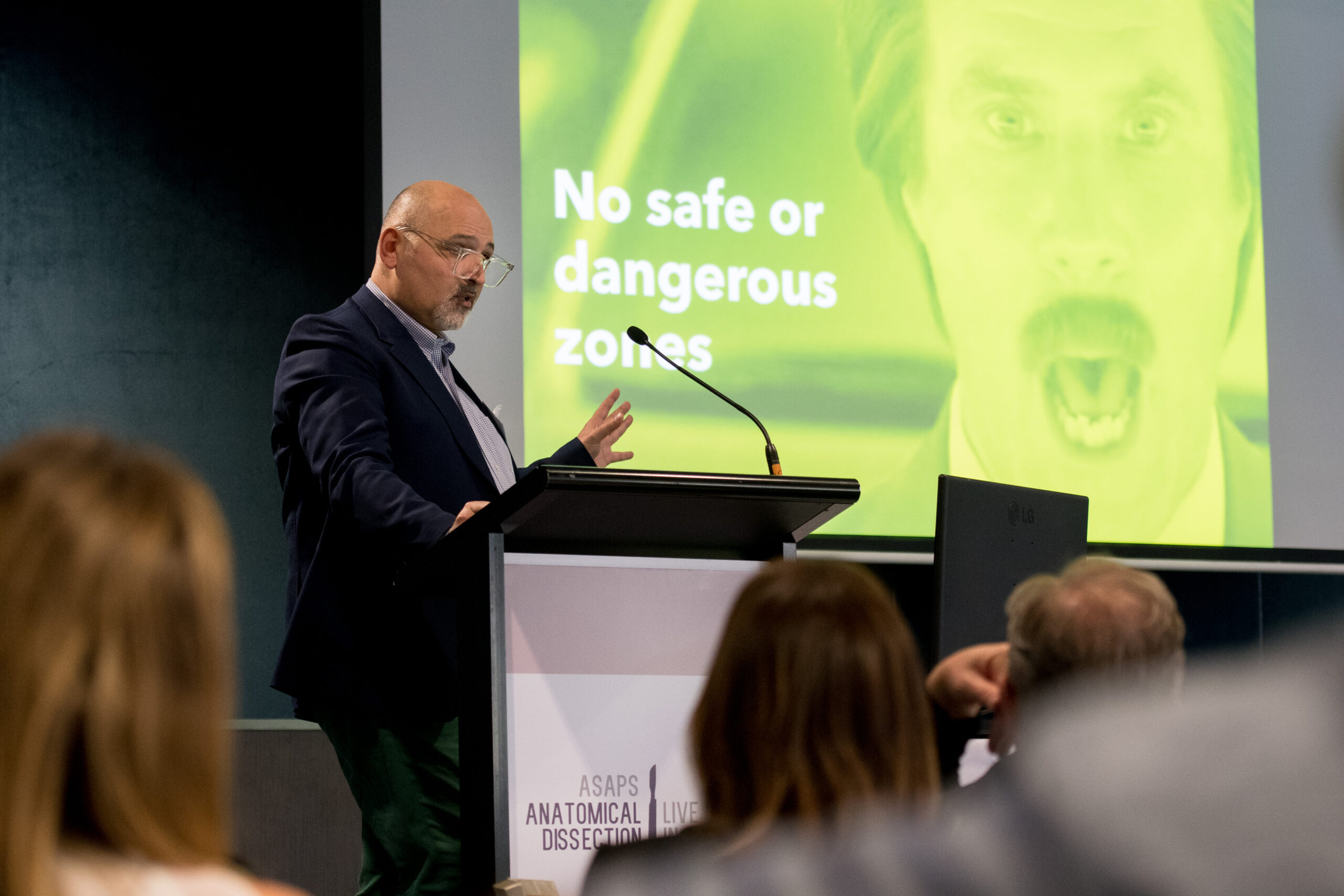
A/Prof Tim Papadopoulos is a Specialist Plastic Surgeon (FRACS) and is registered with the Australian Health Practitioner Regulation Agency (AHPRA). He is also a member and Past President of the Australasian Society of Aesthetic Plastic Surgeons (ASAPS).
Patients can also consult the Royal Australasian College of Surgeons (RACS) for information on surgical training and standards.