Facial implants in Sydney are surgical devices designed to enhance facial contour, improve symmetry, and restore balance between facial features. Some patients naturally have under-projection in the chin, cheeks, or jawline. Others experience changes in facial volume over time. For suitable patients, facial implant surgery can improve definition and facial proportion using a stable structural approach.
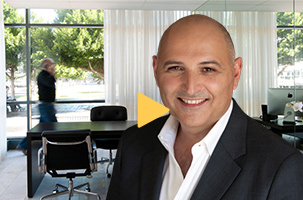
A/Prof Tim Papadopoulos (FRACS) tailors facial implant surgery to your anatomy and goals. During a consultation, Dr. Tim assesses facial proportions, bone structure, soft tissue thickness, and overall profile balance. He then discusses implant types, implant positions, incision placement, scarring, recovery, and risks as part of the informed consent process. Importantly, outcomes vary between individuals.
Facial implants are manufactured from biocompatible materials, commonly including silicone or porous polyethylene, and are shaped to sit against the facial skeleton. Therefore, they can provide structural enhancement without relying on temporary volume.
Common Types of Facial Implants
Chin implants
A chin implant increases chin projection and can improve lower-face balance. As a result, it may enhance profile proportion in selected patients, particularly when the chin sits behind ideal alignment.
Cheek implants
Cheek implants add projection to the cheekbones (malar region). In addition, they can improve midface contour and create a more defined cheek structure in suitable patients.
Jaw implants
Jaw implants enhance jawline definition and lower-face structure. They may suit selected patients who desire a stronger jaw contour or additional definition along the mandibular angle.
Surgical Technique Overview
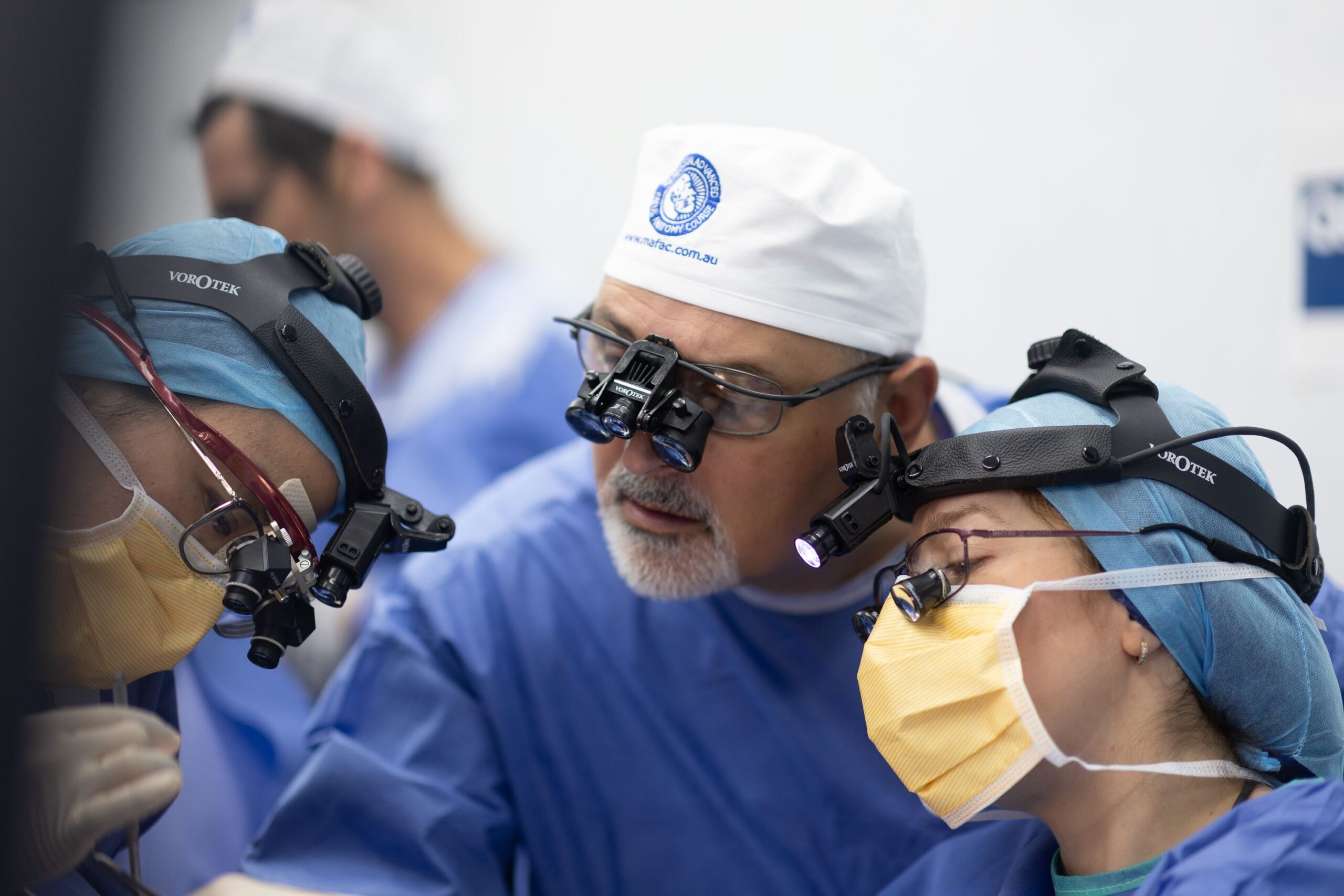
Dr Tim performs facial implant surgery using carefully planned techniques designed to place the implant securely and minimise visible scarring.
Incision placement
Dr Tim selects the incision location based on implant type and anatomy. Depending on the area treated, he may place incisions:
inside the mouth
under the chin
near the ear region (for jawline approaches)
Therefore, scarring is usually discreet.
Implant placement and stability
Dr Tim creates a precise pocket over the facial bone, then inserts the implant in a controlled position. He aims for symmetry, stable placement and natural contouring. In addition, he uses fixation techniques when appropriate to reduce the risk of implant movement.
Customised planning
Facial implant surgery is not “one size fits all.” Instead, Dr. Tim selects the shape and size of the implant based on your facial proportions and skeletal structure.
facial proportions
skeletal structure
soft tissue thickness
aesthetic goals
Tailored Planning and Expected Outcomes
Facial implants aim to enhance facial structure and improve balance. However, results vary between individuals. For this reason, Dr Tim discusses realistic outcomes, limitations and risks during consultation.
Suitability for facial implants in Sydney is confirmed during consultation.
Quick Facts About Facial Implants
Procedure Duration: 1–2 hours, depending on the area treated.
Anaesthesia: General anaesthesia or local anaesthesia with sedation.
Hospital Stay: Day procedure or overnight stay.
Results: Immediate improvement; final results visible after the swelling subsides (3–6 months).
Longevity: Permanent; implants are designed to last a lifetime.
Best Candidates: Individuals seeking enhanced facial contours, improved symmetry, or correction of structural deficiencies.
What to Expect
Before Surgery:
During your consultation with Dr. Tim, your facial structure, aesthetic goals, and overall health will be evaluated. Dr. Tim will then discuss your options and recommend the type and size of implants that best suit your needs. You will also receive pre-operative instructions, such as fasting and avoiding specific medications.
During Surgery:
Incisions are made discreetly to minimise visible scarring.
The chosen implant is carefully positioned in a pocket created in the targeted area, ensuring precise placement.
The incision is closed with sutures, and dressings may be applied to support the area during the initial healing phase.
After Surgery:
Depending on the procedure’s complexity, you’ll be monitored in a recovery area before being discharged home or staying overnight. Mild swelling and bruising are expected during the initial recovery period.
1. What are facial implants?
Facial implants are biocompatible devices surgically placed to enhance and define facial contours, such as the chin, cheeks, or jawline.
2. Who is a good candidate for facial implants?
Good candidates are individuals in good health who want to enhance facial contours, improve symmetry, or correct structural deficiencies.
3. How long do facial implants last?
Facial implants are designed to be permanent, providing long-lasting results.
4. Will there be visible scars?
Scars are minimal and strategically placed in inconspicuous areas, such as inside the mouth or under the chin, to reduce visibility.
5. How long does recovery take?
Most patients return to light activities within 1–2 weeks, with full recovery taking 4–6 weeks. Swelling and bruising may take several months to fully resolve.
6. Are the results natural-looking?
Yes, implants are customised to suit your facial anatomy and goals, ensuring a natural and harmonious appearance.
7. Can facial implants be combined with other procedures?
Yes, facial implants can be combined with other treatments, such as rhinoplasty, facelifts, or liposuction, for a comprehensive facial enhancement.
8. Is the procedure painful?
The procedure is performed under anaesthesia, ensuring no pain during surgery. Post-operative discomfort is typically mild and manageable with prescribed medications.
9. Are facial implants safe?
Yes, facial implants are safe when performed by an experienced surgeon. Dr. Tim uses high-quality, biocompatible implants to minimise risks.
10. How soon will I see results?
You’ll notice immediate improvements after surgery, but final results will become visible as swelling subsides, typically within 3–6 months.
Risks
Facial implants are safe and effective when performed by an experienced surgeon. However, as with any surgical procedure, potential risks include:
Infection or delayed wound healing.
Implant displacement or asymmetry.
Scarring (typically minimal and discreet).
Temporary or permanent changes in skin sensation.
Rare complications related to anaesthesia or implant rejection.
Recovery Tips
Follow Post-Operative Instructions: Adhere to Dr. Tim’s guidelines for wound care, medication, and activity restrictions.
Manage Swelling: Use cold compresses and elevate your head while resting to reduce swelling.
Avoid Strenuous Activities: Refrain from heavy lifting, exercise, or activities that strain the face for 4–6 weeks.
Stick to a Soft Diet: If incisions are made inside the mouth, avoid hard or chewy foods to protect the surgical site.
Maintain Good Oral Hygiene: Follow instructions for cleaning the incision area if the implant is placed through the mouth.
Be Patient: Swelling can take several weeks to subside, and the final results will emerge over 3–6 months.
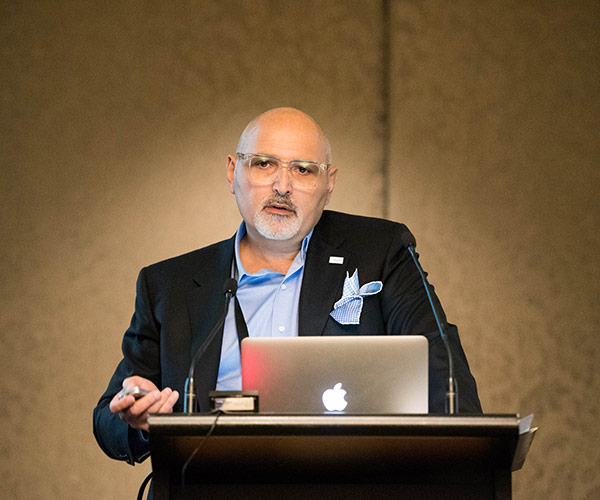
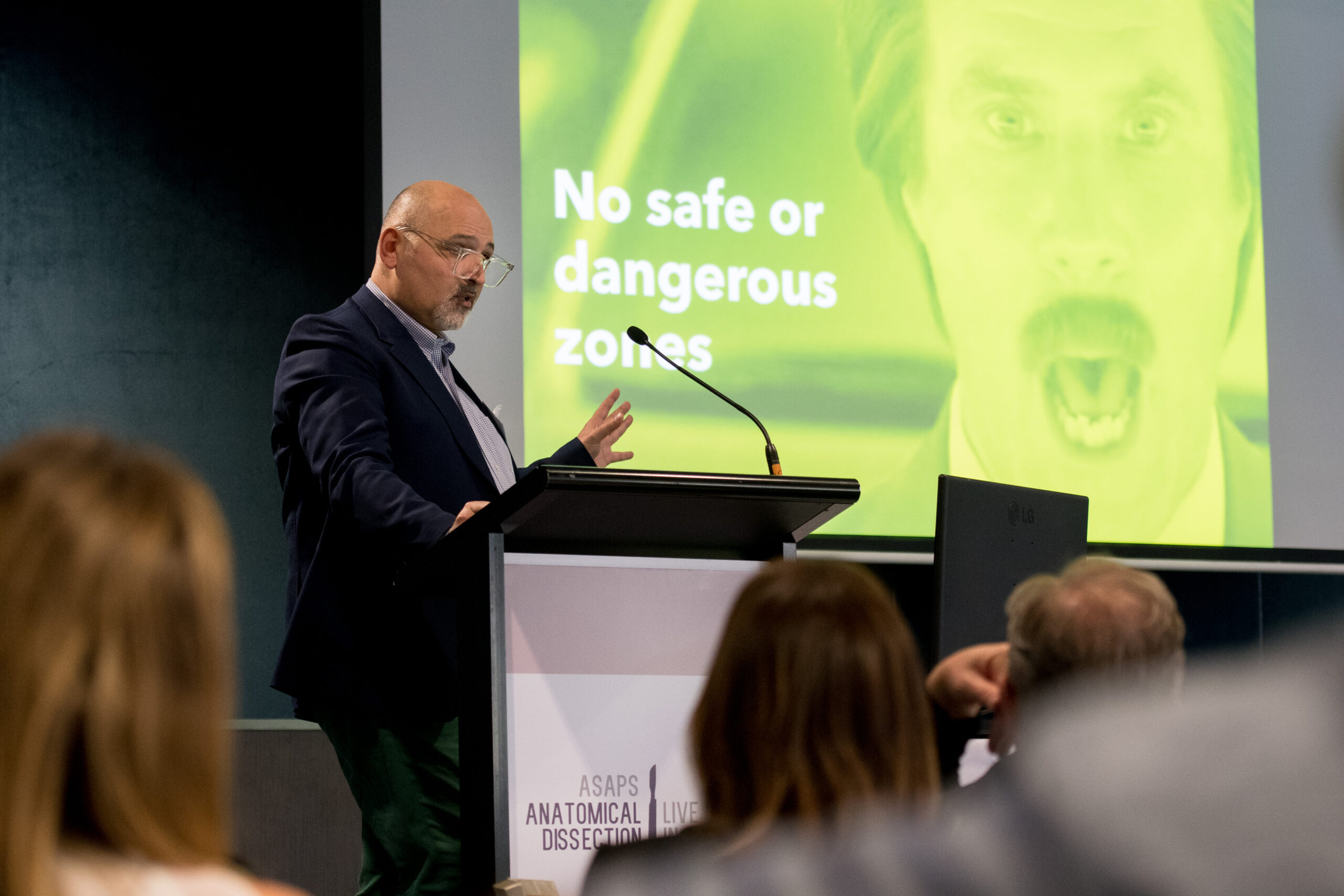
Dr Tim is a certified cosmetic and plastic surgeon, past president of the Australasian Society of Aesthetic Plastic Surgery (ASAPS), a member of the Australian Society of Plastic Surgeons (ASPS) and a Fellow of the Royal Australasian College of Surgeons (FRACS). Tim is also an International member of the American Society of Plastic Surgeons. Dr Tim is a member and Board Director of the International Society of Aesthetic Plastic Surgery and an international active member of the American Society of Aesthetic Plastic Surgery.
He has undertaken 8-12 years of specialist training beyond his basic medical degree to become a Fellow of the Royal Australasian College of Surgeons (FRACS) which is the only institution accredited to train surgeons in Australia and New Zealand. He is the current Head of the Department of Plastic & Reconstructive Surgery at Westmead Private Hospital.
As a Sydney plastic surgeon Dr Tim focuses on cosmetic surgery of the face, breast and body.
Dr Tim is a certified cosmetic and plastic surgeon, past president of the Australasian Society of Aesthetic Plastic Surgery (ASAPS), a member of the Australian Society of Plastic Surgeons (ASPS) and a Fellow of the Royal Australasian College of Surgeons (FRACS). Tim is also an International member of the American Society of Plastic Surgeons. Dr Tim is a member and Board Director of the International Society of Aesthetic Plastic Surgery and an international active member of the American Society of Aesthetic Plastic Surgery.
He has undertaken 8-12 years of specialist training beyond his basic medical degree to become a Fellow of the Royal Australasian College of Surgeons (FRACS) which is the only institution accredited to train surgeons in Australia and New Zealand. He is the current Head of the Department of Plastic & Reconstructive Surgery at Westmead Private Hospital.
As a Sydney plastic surgeon Dr Tim focuses on cosmetic surgery of the face, breast and body.
Dr. Tim is a highly experienced specialist plastic surgeon known for his commitment to patient safety, advanced surgical techniques, and meticulous care. He prioritizes evidence-based procedures to deliver natural-looking, long-lasting results.
Precision
With an exceptional eye for detail and surgical expertise, Dr. Tim ensures every procedure—whether facelift, body contouring, or breast augmentation—is performed with precision, artistry, and the latest medical advancements.
Your Wellbeing & Comfort
Dr. Tim takes a patient-centered approach, guiding you from consultation to post-operative care. He provides personalised surgical plans to help you make informed decisions, ensuring your safety, comfort, and satisfaction throughout your cosmetic surgery journey.
Professional Integrity
As a specialist plastic surgeon, Dr. Tim is dedicated to excellence in aesthetic surgery. His contributions to medical education, training future surgeons, and speaking at global conferences reinforce his reputation as a leader in the field of cosmetic surgery.
Have Questions About Cosmetic Surgery?
Understanding your options is important. Our team is available to provide factual information about procedures and answer any concerns you may have. Book a consultation to receive professional advice tailored to your needs.