Labiaplasty in Sydney is a surgical procedure designed to reshape and/or reduce the labia minora (inner labial folds). Many women consider labiaplasty due to physical discomfort, irritation, or functional concerns. For example, elongated or asymmetrical labia may cause chafing during exercise, discomfort with fitted clothing, or irritation during daily activities. In addition, some patients seek correction of asymmetry or changes that occur after childbirth or ageing.
A/Prof Tim Papadopoulos (FRACS) tailors labiaplasty in Sydney to each patient’s anatomy, symptoms and goals. During a consultation, Dr. Tim conducts a respectful assessment and discusses suitability, technique options, scarring, recovery, and risks as part of informed consent. Importantly, results vary between individuals, and the goal is improved comfort and proportion rather than a standardised appearance.
When Labiaplasty May Be Considered
Patients may consider labiaplasty for:
discomfort or irritation during walking, cycling or sport
chafing or rubbing in tight clothing
discomfort during intimacy (selected patients)
asymmetry between the labia minora
changes following childbirth or ageing
personal preference for improved proportion
However, there is a wide normal variation in genital anatomy. For this reason, consultation focuses on your specific symptoms, goals and expectations.
Surgical Techniques for Labiaplasty
Dr Tim selects the labiaplasty technique based on your anatomy, degree of tissue excess, edge characteristics and symmetry goals.
Trim technique
With the trim technique, Dr Tim removes excess tissue along the free edge of the labia minora. Therefore, this approach can reduce elongation and improve symmetry. It may also assist when edge tissue appears thickened or irregular.
Wedge technique
With the wedge technique, Dr Tim removes a central wedge of tissue while preserving the natural labial edge. As a result, this technique can maintain a natural border appearance in selected patients.
In some cases, Dr Tim may combine techniques or modify the approach to optimise symmetry and comfort.
Recovery and Important Considerations
After labiaplasty surgery, swelling and tenderness are common initially. Dr Tim provides clear aftercare instructions, including hygiene guidance, activity restrictions and follow-up planning. In addition, patients typically need time away from strenuous exercise while tissues heal.
As with all surgery, risks exist. These may include bleeding, infection, scarring, asymmetry, altered sensation, delayed healing, or the need for revision. Dr Tim discusses risks carefully during consultation.
Suitability for labiaplasty in Sydney is confirmed during consultation.
Disclaimer: All surgical procedures carry inherent risks. The information provided here is general in nature and should not be used as a substitute for an in-person consultation with a qualified specialist. Individual outcomes vary based on anatomy, healing, and adherence to post-operative care. A/Prof Tim Papadopoulos will discuss the potential risks, benefits, and realistic expectations during your consultation.
Quick Facts About Labiaplasty
Procedure Duration: 1–2 hours.
Anaesthesia: Local anaesthesia with sedation or general anaesthesia.
Hospital Stay: Day procedure (performed in clinic or surgical facility).
Results: Immediate improvement; final results visible after the swelling subsides (6–12 weeks).
Longevity: Permanent results, though natural ageing and childbirth may affect the area over time.
Best Candidates: Women experiencing discomfort, functional issues, or aesthetic concerns
What to Expect
Before Surgery:
Your consultation with Dr. Tim will include a thorough discussion of your goals and concerns and a detailed examination to determine the most suitable surgical approach. You will also receive preoperative instructions, such as avoiding certain medications.
During Surgery:
The procedure is performed in a private and comfortable environment under local anaesthesia with sedation or general anaesthesia. The technique (trim or wedge) reshapes and reduces the labia minora. The incisions are closed with dissolvable sutures to minimise discomfort and scarring. The surgery typically takes 1–2 hours.
After Surgery:
Following the procedure, a protective dressing may be applied, and you will be provided with post-operative instructions to support healing and reduce the risk of complications.
1. What is labiaplasty?
Labiaplasty is a surgical procedure to reshape or reduce the labia minora for improved comfort, functionality, and aesthetics.
2. Who is a good candidate for labiaplasty?
Good candidates are women experiencing physical discomfort, functional limitations, or self-consciousness due to elongated or asymmetrical labia.
3. How long does recovery take?
Most patients resume light activities within a week, with full recovery taking 6–8 weeks.
4. Will there be visible scars?
Scarring is minimal and typically well hidden within the natural folds of the tissue.
5. Is labiaplasty painful?
The procedure is performed under anaesthesia, ensuring no pain during surgery. Post-operative discomfort is manageable with prescribed medications.
6. How long do the results last?
Labiaplasty results are permanent; however, factors like childbirth, ageing, or significant weight changes may affect the area over time.
7. Does labiaplasty affect sexual sensation?
When performed correctly, labiaplasty does not negatively impact sexual sensation. Many women report improved comfort and confidence.
8. Can labiaplasty be combined with other procedures?
Yes, it is often combined with procedures like vaginal rejuvenation or a post-pregnancy surgery for comprehensive results.
Risks
Labiaplasty is a safe procedure when performed by an experienced surgeon, but potential risks include:
Infection or delayed wound healing.
Scarring (typically minimal and inconspicuous).
Changes in sensation (temporary or permanent).
Asymmetry or dissatisfaction with aesthetic results.
Rare complications such as bleeding or anaesthesia-related risks.
Recovery Tips
Follow Post-Operative Instructions: Adhere to Dr. Tim’s detailed care guidelines for optimal recovery.
Manage Swelling and Discomfort: Use prescribed pain relief and cold compresses to reduce swelling and ease discomfort.
Wear Loose Clothing: Opt for soft, loose-fitting underwear and avoid tight clothing to minimise irritation.
Avoid Strenuous Activities: Refrain from exercise, heavy lifting, and sexual activity for 4–6 weeks.
Practice Good Hygiene: Keep the area clean and dry as per Dr. Tim’s instructions.
Take Rest Seriously: Allow your body sufficient time to recover by avoiding unnecessary physical strain.
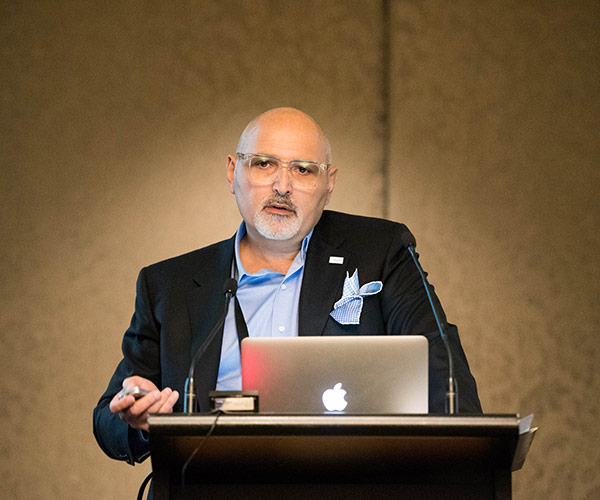
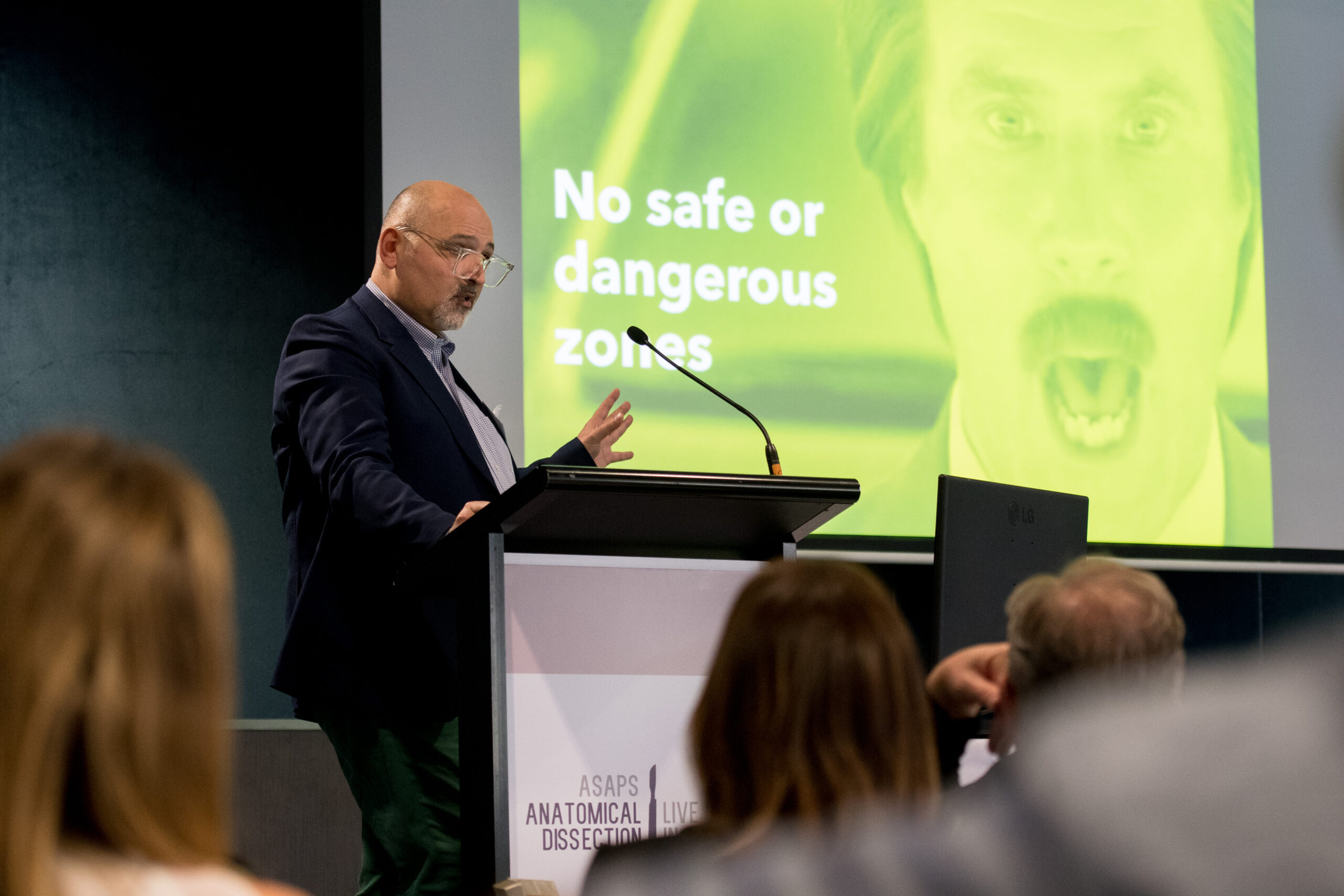
Dr Tim is a certified cosmetic and plastic surgeon, past president of the Australasian Society of Aesthetic Plastic Surgery (ASAPS), a member of the Australian Society of Plastic Surgeons (ASPS) and a Fellow of the Royal Australasian College of Surgeons (FRACS). Tim is also an International member of the American Society of Plastic Surgeons. Dr Tim is a member and Board Director of the International Society of Aesthetic Plastic Surgery and an international active member of the American Society of Aesthetic Plastic Surgery.
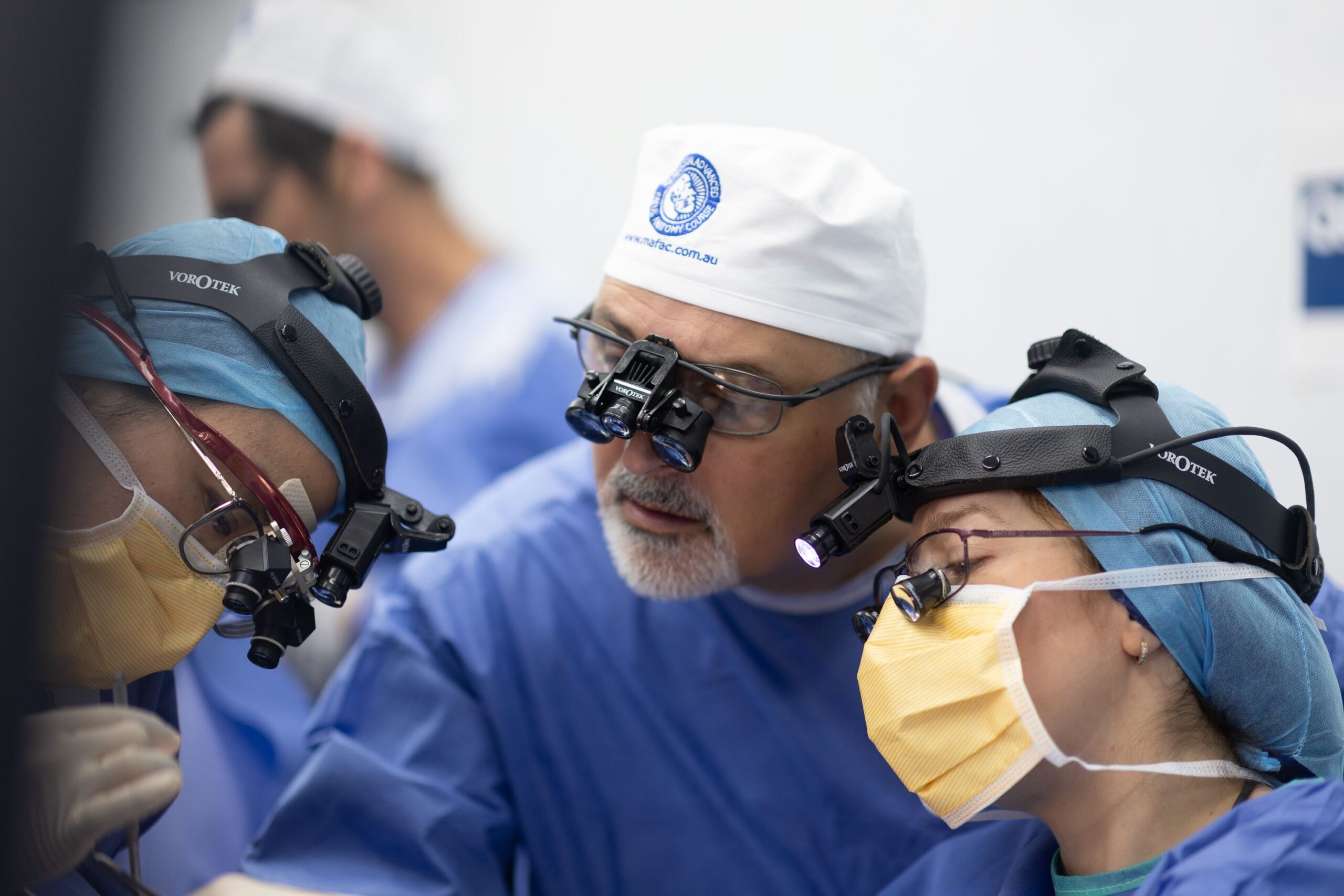
He has undertaken 8-12 years of specialist training beyond his basic medical degree to become a Fellow of the Royal Australasian College of Surgeons (FRACS) which is the only institution accredited to train surgeons in Australia and New Zealand. He is the current Head of the Department of Plastic & Reconstructive Surgery at Westmead Private Hospital.
As a Sydney plastic surgeon Dr Tim focuses on cosmetic surgery of the face, breast and body.
Dr Tim is a certified cosmetic and plastic surgeon, past president of the Australasian Society of Aesthetic Plastic Surgery (ASAPS), a member of the Australian Society of Plastic Surgeons (ASPS) and a Fellow of the Royal Australasian College of Surgeons (FRACS). Tim is also an International member of the American Society of Plastic Surgeons. Dr Tim is a member and Board Director of the International Society of Aesthetic Plastic Surgery and an international active member of the American Society of Aesthetic Plastic Surgery.
He has undertaken 8-12 years of specialist training beyond his basic medical degree to become a Fellow of the Royal Australasian College of Surgeons (FRACS) which is the only institution accredited to train surgeons in Australia and New Zealand. He is the current Head of the Department of Plastic & Reconstructive Surgery at Westmead Private Hospital.
As a Sydney plastic surgeon Dr Tim focuses on cosmetic surgery of the face, breast and body.
Dr. Tim is a highly experienced specialist plastic surgeon known for his commitment to patient safety, advanced surgical techniques, and meticulous care. He prioritizes evidence-based procedures to deliver natural-looking, long-lasting results.
Precision
With an exceptional eye for detail and surgical expertise, Dr. Tim ensures every procedure—whether facelift, body contouring, or breast augmentation—is performed with precision, artistry, and the latest medical advancements.
Your Wellbeing & Comfort
Dr. Tim takes a patient-centered approach, guiding you from consultation to post-operative care. He provides personalised surgical plans to help you make informed decisions, ensuring your safety, comfort, and satisfaction throughout your cosmetic surgery journey.
Professional Integrity
As a specialist plastic surgeon, Dr. Tim is dedicated to excellence in aesthetic surgery. His contributions to medical education, training future surgeons, and speaking at global conferences reinforce his reputation as a leader in the field of cosmetic surgery.
Have Questions About Cosmetic Surgery?
Understanding your options is important. Our team is available to provide factual information about procedures and answer any concerns you may have. Book a consultation to receive professional advice tailored to your needs.