Technical Explanation of the Condition
BIA-ALCL Sydney refers to information and clinical assessment relating to breast implant–associated anaplastic large cell lymphoma (BIA-ALCL). BIA-ALCL is a rare condition that has been reported in association with some types of breast implants (most commonly certain textured implant surfaces). It is not breast cancer. Instead, it is a lymphoma that typically develops in the capsule or fluid surrounding a breast implant.
Patients with implants may also seek assessment for related concerns such as capsular contracture treatment, breast implant rupture treatment in Sydney, or long-term implant management discussed under breast implants.
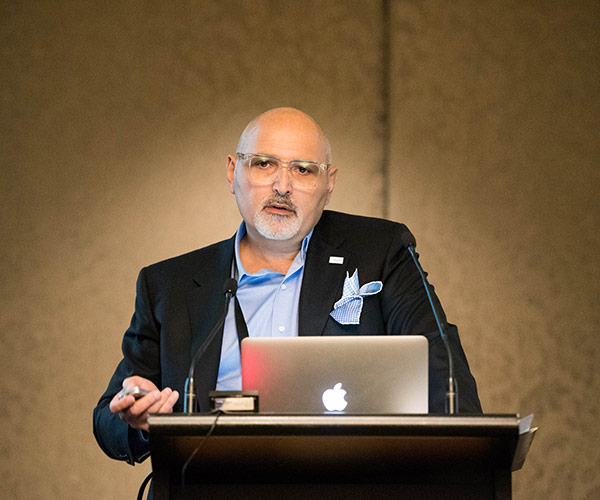
A/Prof Tim Papadopoulos (FRACS) provides specialist assessment for patients seeking guidance about implant-related concerns. During consultation, Dr Tim discusses symptoms, risk context, appropriate investigations, and referral pathways when required. Importantly, outcomes and management pathways vary between individuals.
What Are the Symptoms of BIA-ALCL?
Most patients with breast implants will never develop BIA-ALCL. However, it is important to seek assessment if symptoms occur, particularly if they develop years after implant placement.
Symptoms may include:
-
new breast swelling or enlargement
-
a fluid collection around an implant (late seroma)
-
breast asymmetry that develops over time
-
new breast lump, firmness, or capsular change
-
discomfort or pain (selected cases)
-
enlarged lymph nodes (less common)
If you have these symptoms, Dr Tim may recommend prompt assessment.
How Is BIA-ALCL Investigated?
Investigation depends on symptoms and clinical assessment. Options may include:
-
ultrasound assessment for fluid collection
-
aspiration of fluid for pathology testing (when indicated)
-
MRI (selected patients)
-
referral to specialist teams if suspicion exists
Importantly, not all swelling or seroma relates to BIA-ALCL. For example, fluid can occur due to benign inflammation, infection, or implant-related changes.
Treatment Overview (If BIA-ALCL Is Diagnosed)
Management is individualised and may involve:
-
implant removal and, in selected cases, breast implant revision planning.
-
capsulectomy (removal of capsule tissue)
-
specialist oncology input (in confirmed cases)
If treatment is required, Dr Tim works within an appropriate multidisciplinary pathway.
When Should You Seek Assessment?
Consider consultation if you:
-
develop new swelling around an implant
-
notice rapid breast changes
-
have concerns about implant type or surface
-
want specialist guidance about revision options
In addition, patients considering implant revision may wish to review:
Disclaimer:
All surgical procedures carry inherent risks. The information provided here is general in nature and should not be used as a substitute for an in-person consultation with a qualified specialist. Individual outcomes vary based on anatomy, healing, and adherence to post-operative care. A/Prof Tim Papadopoulos will discuss the potential risks, benefits, and realistic expectations during your consultation.
Safety, training and professional standards
A/Prof Tim Papadopoulos is a Specialist Plastic Surgeon (FRACS) and is registered with the Australian Health Practitioner Regulation Agency (AHPRA). He is also a member and Past President of the Australasian Society of Aesthetic Plastic Surgeons (ASAPS).
Patients can also consult the Royal Australasian College of Surgeons (RACS) for information on surgical training and standards.