Technical Explanation and Treatment Options
Loose skin after weight loss in Sydney is a common concern after significant weight reduction. Many patients improve their health with diet and exercise, bariatric surgery, or weight-loss medications such as Ozempic and Wegovy. However, skin does not always tighten after weight loss. As a result, patients may experience loose, hanging skin across the abdomen, arms, thighs, breasts, and back. In addition, some patients develop skin folds that cause chafing, hygiene issues, and recurrent rashes.
A/Prof Tim Papadopoulos (FRACS) assesses loose skin after weight loss in Sydney with a personalised plan. Dr Tim evaluates skin laxity, body contour changes, and functional concerns. He then discusses realistic treatment options. Importantly, outcomes vary between individuals.
Why Loose Skin Happens After Weight Loss
Loose skin develops because skin stretches during weight gain and may not fully retract after weight loss. Several factors influence this.
Key reasons include:
-
reduced collagen and elastin (skin elasticity)
-
long duration of stretching before weight loss
-
ageing-related skin thinning
-
genetics and skin quality
-
rapid or massive weight loss
-
pregnancy-related stretching (selected patients)
-
smoking history and sun exposure
Therefore, even extremely fit patients can still have loose skin after weight loss.
Where Loose Skin After Weight Loss Occurs Most Commonly
Patients often notice loose skin in predictable areas.
Common areas include:
-
abdomen (overhang or “apron skin”)
-
flanks and waistline
-
pubic area (mons pubis)
-
upper arms (“batwing” skin)
-
inner thighs (rubbing and irritation)
-
breasts (loss of volume and sagging)
-
upper back/bra line
-
buttocks (flattening and laxity)
For that reason, treatment planning often involves more than one body area.
Does Loose Skin Improve Over Time?
Sometimes mild loose skin improves after weight loss. This improvement is more likely when:
-
weight loss is moderate
-
patient is young
-
skin has strong elasticity
-
weight loss occurs slowly
However, when weight loss is large or the skin fold is significant, skin rarely tightens enough on its own. In that case, surgery may offer the most effective solution.
Non-Surgical Options for Loose Skin After Weight Loss (Selected Patients)
Some patients prefer non-surgical treatments first. That approach can be reasonable in mild cases.
Non-surgical options may include:
-
skin tightening energy devices (radiofrequency / ultrasound-based treatments)
-
medical-grade skincare and collagen support
-
body composition optimisation (building muscle under loose skin)
-
treating underlying irritation and inflammation in folds
However, non-surgical options cannot remove large excess skin. Therefore, results remain limited in patients with significant skin laxity.
Surgical Options for Loose Skin After Weight Loss Sydney
Surgery provides the most predictable improvement when skin excess is significant. Dr Tim tailors surgery to the body region and the degree of laxity.
Abdominal loose skin after weight loss
Options may include:
-
panniculectomy (selected patients for functional overhang)
-
lower body lift (circumferential correction)
Arm loose skin after weight loss
If loose skin affects the upper arms, surgery may include:
-
liposuction contour refinement (selected patients)
Thigh loose skin after weight loss
If laxity affects the thighs, options may include:
-
vertical inner thigh lift (selected patients)
-
outer thigh lift (selected patients)
Breast changes after weight loss
Breast volume often reduces after weight loss. In addition, breast support weakens. Surgical solutions may include:
-
breast reduction (selected patients)
-
breast augmentation or fat transfer (selected patients)
Back and bra line loose skin
Some patients develop back rolls or excess skin across the bra line.
Options may include:
-
upper body lift (selected patients)
Why Many Patients Need Staged Body Contouring
Loose skin after weight loss commonly involves multiple zones. For that reason, Dr Tim often recommends staged body contouring after weight loss. Staging helps improve safety and wound healing.
Benefits of staging include:
-
shorter operations
-
safer recovery
-
lower risk profile
-
better scar planning
-
more predictable results
Recovery Considerations
Recovery depends on the area treated. However, most surgery for loose skin involves:
-
swelling and bruising
-
activity restrictions
-
scar care
-
follow-up monitoring
Dr Tim provides detailed aftercare instructions and realistic recovery timelines.
Risks and Important Considerations
All surgery carries risks. Risks vary depending on procedure and patient anatomy. Possible risks include:
-
scarring (expected)
-
delayed wound healing
-
seroma (fluid collection)
-
infection
-
asymmetry
-
need for revision (uncommon)
Dr Tim discusses relevant risks and expected scars during consultation.
Suitability for Loose Skin After Weight Loss Treatment Sydney
Patients are more likely to suit surgery if they:
-
have stable weight
-
have excess skin affecting comfort or shape
-
are medically fit for surgery
-
have realistic expectations (including scars)
-
do not smoke (or can stop pre-operatively)
Suitability for loose skin after weight loss treatment in Sydney is confirmed during consultation.
Disclaimer:
All surgical procedures carry inherent risks. The information provided here is general in nature and should not be used as a substitute for an in-person consultation with a qualified specialist. Individual outcomes vary based on anatomy, healing, and adherence to post-operative care. A/Prof Tim Papadopoulos will discuss the potential risks, benefits, and realistic expectations during your consultation.
Safety, training and professional standards
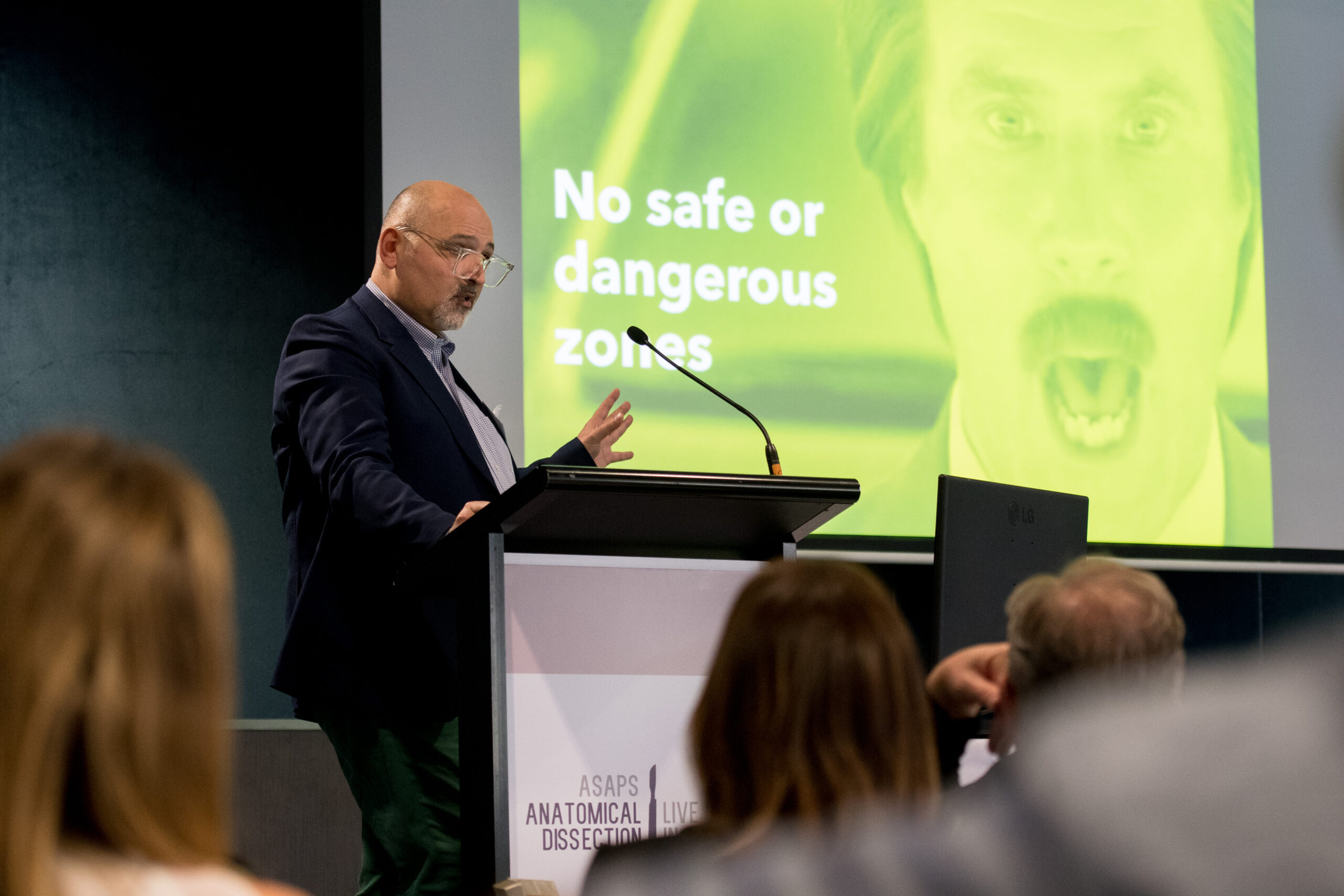
A/Prof Tim Papadopoulos is a Specialist Plastic Surgeon (FRACS) and is registered with the Australian Health Practitioner Regulation Agency (AHPRA). He is also a member and Past President of the Australasian Society of Aesthetic Plastic Surgeons (ASAPS).
Patients can also consult the Royal Australasian College of Surgeons (RACS) for information on surgical training and standards.