Weight Loss After Bariatric Surgery: Skin Removal Options
Skin removal after bariatric surgery in Sydney refers to body contouring surgery designed to remove excess skin after major weight loss. Bariatric surgery can be life-changing. It often improves health, mobility, and quality of life. However, after rapid or significant weight loss, the skin may not tighten. As a result, many patients develop loose, hanging skin across the abdomen, arms, thighs, breasts, and back.
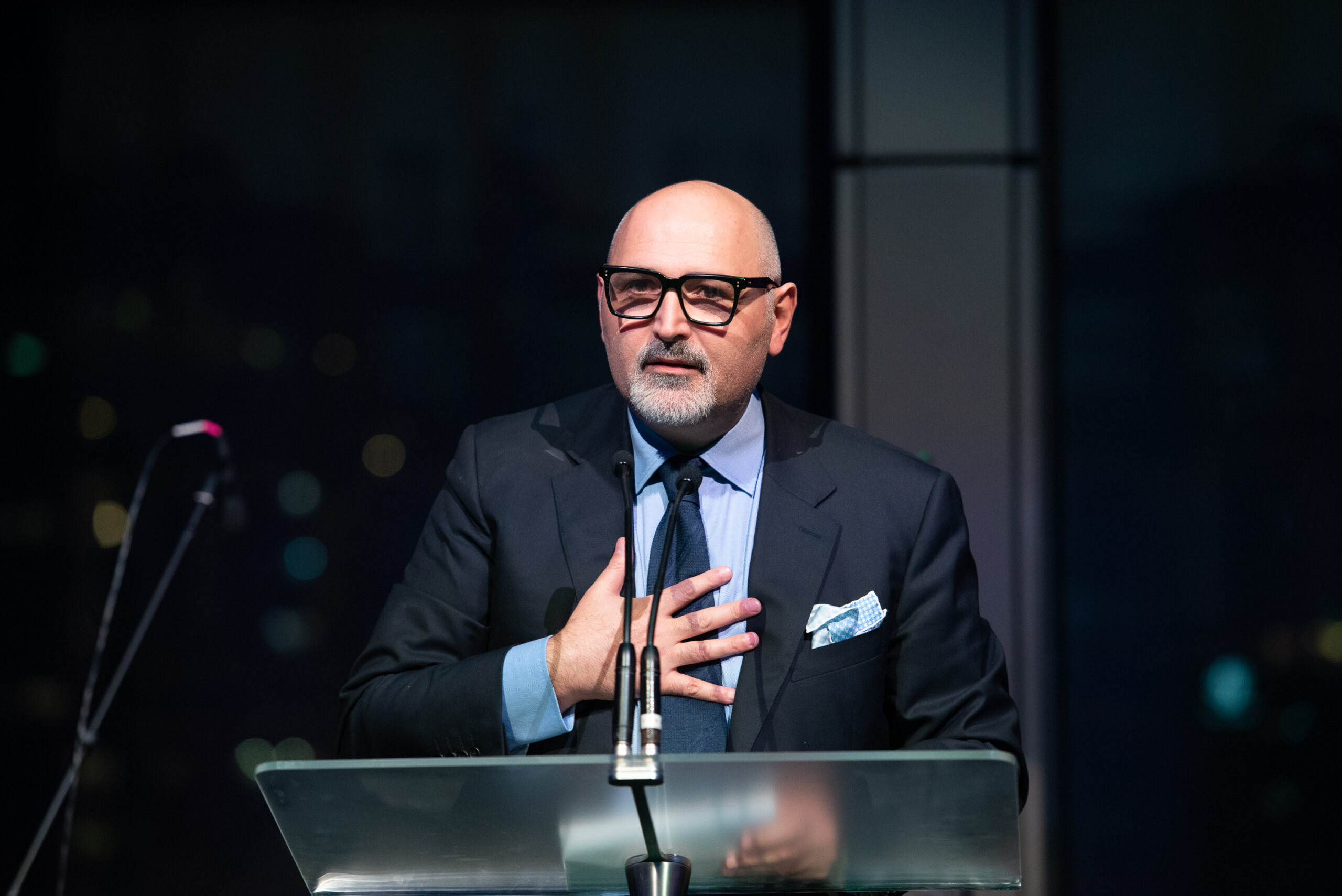
A/Prof Tim Papadopoulos (FRACS) provides skin removal surgery after bariatric surgery in Sydney using a staged, safety-first approach. Dr Tim assesses skin laxity, scar placement options, and functional concerns. He then recommends suitable surgical options. Importantly, results vary between individuals.
Why Loose Skin Is Common After Bariatric Surgery
After weight gain, skin stretches. After bariatric weight loss, skin often cannot fully retract. This issue occurs for several reasons.
Common contributing factors include:
-
reduced collagen and elastin
-
duration of skin stretching before weight loss
-
rapid weight reduction
-
age-related skin thinning
-
genetics and skin quality
-
nutritional depletion (selected patients)
Therefore, even patients who reach an excellent goal weight may still have significant loose skin.
Common Areas of Loose Skin After Bariatric Weight Loss
Post-bariatric patients often notice loose skin in predictable patterns.
Most common areas include:
-
abdomen (apron skin/pannus)
-
flanks and waistline
-
pubic area (mons pubis)
-
upper arms
-
inner thighs
-
buttocks
-
upper back / bra line
-
breasts and chest
These areas can cause discomfort. In addition, they can affect hygiene and clothing fit.
Functional Problems Caused by Excess Skin
Many patients seek skin removal for practical reasons, not just aesthetics.
Excess skin may contribute to:
-
skin irritation and rashes (intertrigo)
-
recurrent fungal or bacterial infections
-
chafing during walking or exercise
-
hygiene difficulties
-
posture strain and discomfort
-
difficulty finding well-fitting clothing
Therefore, surgery often improves both comfort and body proportion.
When to Consider Skin Removal Surgery After Bariatric Surgery
Timing matters. Dr Tim usually recommends surgery once weight is stable.
In general, patients suit surgery when they:
-
have reached a stable weight (commonly 6–12 months stable)
-
have optimised nutrition and iron/protein levels
-
maintain healthy lifestyle habits
-
do not smoke (or can stop before surgery)
Dr Tim confirms suitability during consultation.
Skin Removal Options After Bariatric Surgery
Skin removal surgery is not one procedure. Instead, it is a category of operations tailored to the body region.
1) Panniculectomy (skin apron removal)
Panniculectomy Sydney removes the hanging lower abdominal skin fold (pannus). It often improves hygiene and comfort. However, it does not always include muscle tightening.
This option may suit patients with:
-
heavy skin overhang
-
recurrent rashes
-
functional impairment
-
difficulty with daily activity or clothing
2) Abdominoplasty (Tummy Tuck)
Abdominoplasty removes abdominal skin and reshapes the abdomen. In addition, it may include muscle repair in selected patients. Therefore, it often provides stronger contour improvement than panniculectomy alone.
3) Extended Abdominoplasty
Extended abdominoplasty after bariatric surgery in Sydney improves abdominal and flank contour. It suits patients whose loose skin extends laterally toward the hips.
4) Lower Body Lift
A lower body lift is a circumferential surgery that improves:
-
abdomen
-
flanks
-
buttocks
-
outer thighs
As a result, it can deliver a major transformation in suitable post-bariatric patients.
5) Arm Lift After Weight Loss (Brachioplasty)
Bariatric weight loss often leaves loose upper arm skin. An arm lift after weight loss in Sydney removes skin and improves arm contour. The procedure improves clothing fit. It also reduces friction.
6) Thigh Lift After Weight Loss
Thigh skin laxity often causes rubbing and discomfort. A thigh lift after weight loss in Sydney removes loose skin and improves thigh contour.
7) Upper Body Lift / Bra Line Back Lift
Some patients develop loose folds across the back. A bra line back lift or upper body lift may remove this skin and smooth the silhouette of the upper torso.
8) Breast and Chest Reshaping After Weight Loss
After bariatric weight loss, breasts may lose volume and support. Patients may notice sagging, deflation, or asymmetry.
Options may include:
-
breast reduction (selected patients)
-
breast augmentation or fat transfer (selected patients)
Why Surgery Is Often Performed in Stages
Many patients need multiple procedures. However, Dr Tim does not typically perform all contouring in a single operation. Instead, he often recommends staged body contouring after weight loss.
Staging improves safety because it:
-
reduces anaesthetic time
-
lowers healing complications
-
allows better scar placement
-
gives more predictable results
-
supports progressive recovery
Therefore, staged planning is appropriate for most post-bariatric patients.
Recovery After Skin Removal Surgery
Recovery depends on the procedures performed. However, patients commonly experience:
-
swelling and bruising
-
temporary tightness
-
activity restrictions for healing
-
scar care and follow-up visits
Dr Tim provides detailed post-operative instructions and realistic recovery planning.
Risks and Important Considerations
All surgery carries risk. Risks vary based on patient factors and procedure type. Risks may include:
-
scarring (expected)
-
delayed wound healing
-
seroma (fluid collection)
-
infection
-
asymmetry
-
need for revision (uncommon)
Dr Tim discusses risks, scar placement, and limitations clearly during consultation.
Disclaimer:
All surgical procedures carry inherent risks. The information provided here is general in nature and should not be used as a substitute for an in-person consultation with a qualified specialist. Individual outcomes vary based on anatomy, healing, and adherence to post-operative care. A/Prof Tim Papadopoulos will discuss the potential risks, benefits, and realistic expectations during your consultation.
Safety, training and professional standards
A/Prof Tim Papadopoulos is a Specialist Plastic Surgeon (FRACS) and is registered with the Australian Health Practitioner Regulation Agency (AHPRA). He is also a member and Past President of the Australasian Society of Aesthetic Plastic Surgeons (ASAPS).
Patients can also consult the Royal Australasian College of Surgeons (RACS) for information on surgical training and standards.