Technical Explanation of the Recovery Process
Tummy tuck recovery in Sydney refers to the healing process after abdominoplasty surgery. While a tummy tuck can deliver dramatic improvement in abdominal contour, the recovery phase plays a major role in comfort, scar quality, and long-term outcome. For this reason, understanding the timeline helps patients plan time off work, activity restrictions, and follow-up care.
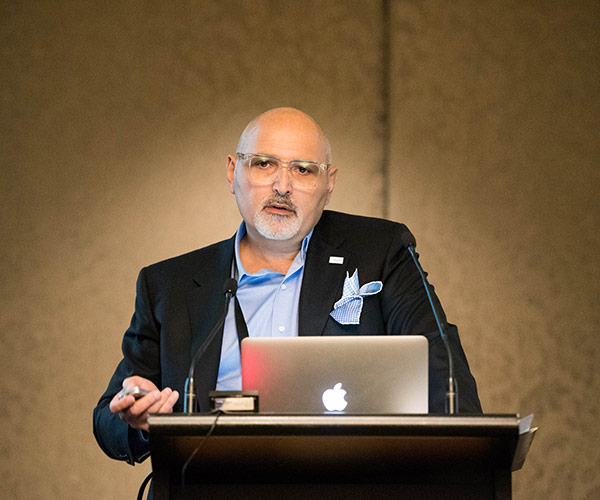
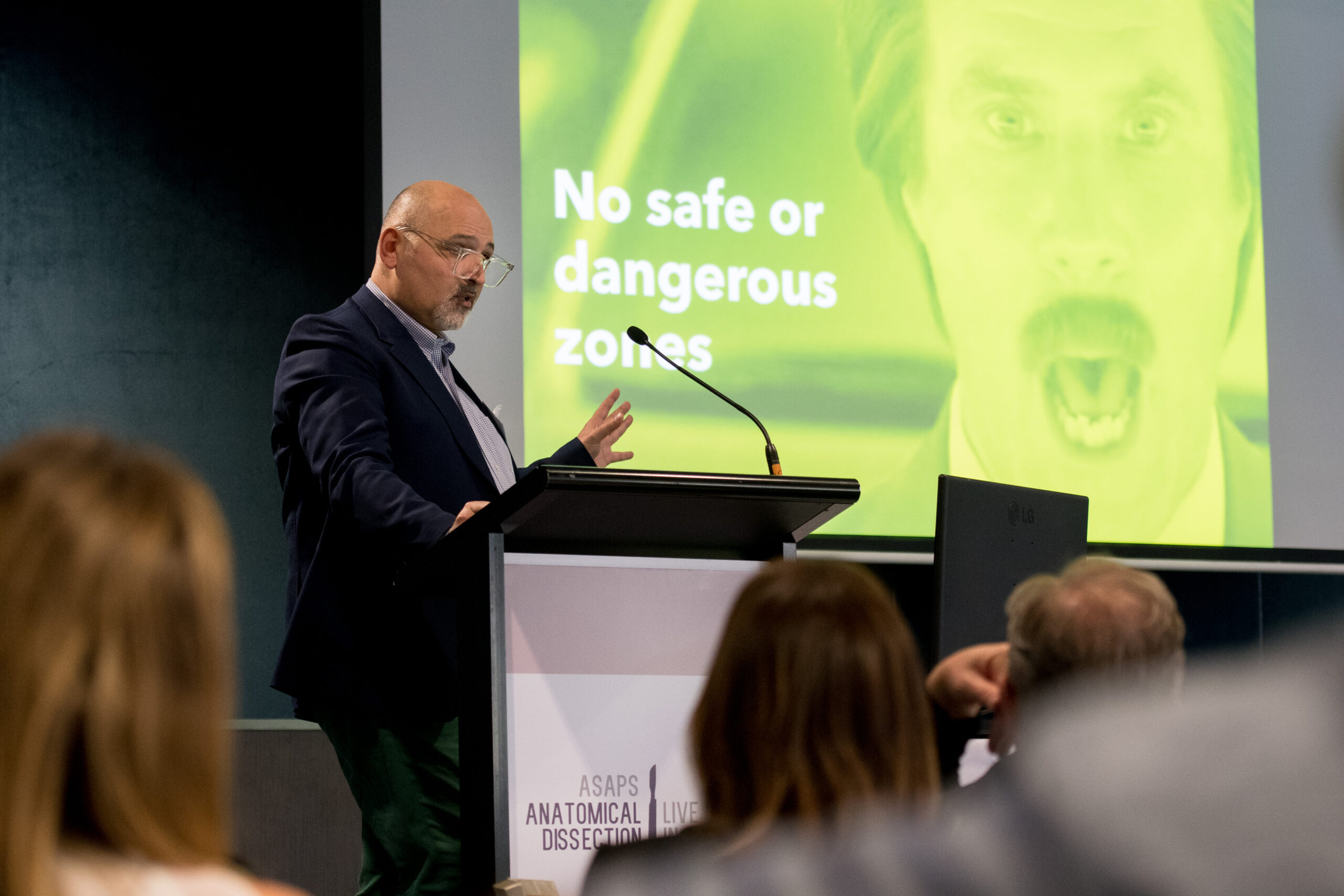
A/Prof Tim Papadopoulos (FRACS) guides tummy tuck recovery in Sydney with structured post-operative planning. During consultation, Dr Tim explains expected recovery milestones, pain control, compression garments, wound care and return-to-exercise guidance. Importantly, recovery varies between individuals depending on procedure extent, muscle repair, skin quality, and healing response.
What to Expect After a Tummy Tuck
Most patients experience predictable recovery changes after abdominoplasty. However, the intensity and timeline differ between individuals.
Early recovery commonly includes:
-
swelling and bruising
-
tightness across the abdomen (especially with muscle repair)
-
fatigue and reduced mobility
-
a “bent-over” walking posture at first
-
drainage or fluid management depending on technique
-
discomfort when standing upright or coughing
In addition, patients often feel stiffness when moving from sitting to standing during the first 1–2 weeks.
Tummy Tuck Recovery Timeline (Week-by-Week)
Recovery after abdominoplasty happens in stages. Therefore, a structured timeline helps set realistic expectations.
First 24–48 hours
During the first days, the goals are comfort, mobilisation and safe wound management.
Most patients can expect:
-
assistance at home for basic tasks
-
regular walking around the house (short distances)
-
tight abdominal sensation
-
prescription pain relief as required
-
dressings and compression garment support
Days 3–7
This period often feels easier than the first 48 hours. However, swelling typically remains significant.
Common experiences include:
-
gradual improvement in mobility
-
ongoing bruising and abdominal tightness
-
reduced reliance on stronger pain medication
-
careful showering and wound care advice
-
continued compression garment use
Week 2
By week 2, many patients feel more independent. Nevertheless, overactivity can increase swelling or delay healing.
Patients often:
-
return to light daily activities
-
increase walking time gradually
-
attend scheduled follow-up appointments
-
avoid lifting, bending and twisting
-
continue compression garment use
Weeks 3–4
At this stage, most patients notice improved comfort and posture. In addition, swelling begins to reduce more noticeably.
During weeks 3–4, many patients:
-
return to desk work (if not already)
-
drive again if safe and off strong pain medication
-
resume longer walks
-
begin gentle stretching as advised
-
continue scar care when instructed
Weeks 6–8
Most patients reach a major milestone around 6 weeks. However, Dr Tim tailors activity return based on surgical details.
Often, patients can:
-
return to low-impact exercise
-
increase core activity gradually (if cleared)
-
reduce compression garment use (if advised)
-
see clearer contour definition as swelling improves
3 months and beyond
Healing continues well beyond the early recovery window. For example, scars mature gradually over many months.
Long-term recovery typically includes:
-
continued scar flattening and fading
-
ongoing contour improvement
-
gradual return to full exercise intensity
-
final refinement of abdominal shape
Walking, Work and Exercise After Abdominoplasty
Tummy tuck recovery requires progressive, staged return to activity.
Walking after tummy tuck
Walking helps reduce complications and improves circulation. Therefore, Dr Tim encourages early mobilisation.
Most patients:
-
begin gentle walking the day of surgery or next day
-
increase distance gradually
-
avoid long periods of sitting without movement
Returning to work
Work timing depends on job type and surgery extent.
General guidance:
-
desk work: often 2–3 weeks (selected patients earlier)
-
physical work: commonly 4–6+ weeks
-
heavy lifting roles: sometimes 6–8+ weeks
Returning to exercise
Exercise must return slowly to protect muscle repair, minimise swelling and reduce wound complications.
Most patients should:
-
avoid heavy lifting early
-
avoid abdominal exercises until cleared
-
restart training in phases
-
focus on walking first, then low-impact activity
Dr Tim confirms safe exercise progression during follow-up.
Compression Garments After a Tummy Tuck
Compression garments support healing. In addition, they can reduce swelling and improve comfort.
Compression garments may help:
-
control swelling
-
reduce fluid accumulation risk
-
support early contour stability
-
reduce tension on the incision
Dr Tim provides specific garment advice based on procedure type and body contouring plan.
Scar Care During Tummy Tuck Recovery
Scars are expected after abdominoplasty. However, good scar care can improve long-term appearance.
Scar management may include:
-
silicone gel or silicone tape (as advised)
-
moisturising and massage once healed
-
sun protection for scars
-
avoiding tension and stretching early
Importantly, scar maturation takes time. Most scars continue improving over 6–18 months.
Common Recovery Concerns (and What They Mean)
Patients commonly worry about certain sensations or changes. Therefore, reassurance plus structured advice helps.
Common concerns include:
-
swelling that fluctuates during the day
-
numbness around the lower abdomen
-
firm areas beneath the incision
-
uneven swelling early on
-
tightness with posture and movement
Dr Tim provides clear guidance on what is expected versus what requires review.
When to Contact the Clinic During Recovery
While tummy tuck recovery is usually predictable, some symptoms require prompt assessment.
Patients should contact the clinic if they notice:
-
increasing redness, heat or worsening pain
-
fever or chills
-
sudden swelling on one side
-
excessive bleeding or wound separation
-
shortness of breath or chest pain
-
calf pain or leg swelling
Dr Tim discusses post-operative red flags in detail after surgery.
Suitability for Abdominoplasty in Sydney
Tummy tuck recovery tends to be smoother in patients who:
-
maintain stable weight before surgery
-
stop smoking (or do not smoke)
-
follow aftercare and garment instructions
-
avoid early overexertion
-
attend follow-up reviews
Suitability and surgical planning are confirmed during consultation.
Disclaimer:
All surgical procedures carry inherent risks. The information provided here is general in nature and should not be used as a substitute for an in-person consultation with a qualified specialist. Individual outcomes vary based on anatomy, healing, and adherence to post-operative care. A/Prof Tim Papadopoulos will discuss the potential risks, benefits, and realistic expectations during your consultation.
Safety, training and professional standards
A/Prof Tim Papadopoulos is a Specialist Plastic Surgeon (FRACS) and is registered with the Australian Health Practitioner Regulation Agency (AHPRA). He is also a member and Past President of the Australasian Society of Aesthetic Plastic Surgeons (ASAPS).
Patients can also consult the Royal Australasian College of Surgeons (RACS) for information on surgical training and standards.