Technical Explanation of the Condition and Surgery
Diastasis recti repair in Sydney refers to the surgical correction of abdominal muscle separation (rectus diastasis). This condition occurs when the left and right rectus abdominis muscles separate, usually due to pregnancy, weight gain, ageing, or major weight change. As a result, patients may notice abdominal bulging, reduced core strength, and difficulty achieving a flat abdominal contour despite exercise.
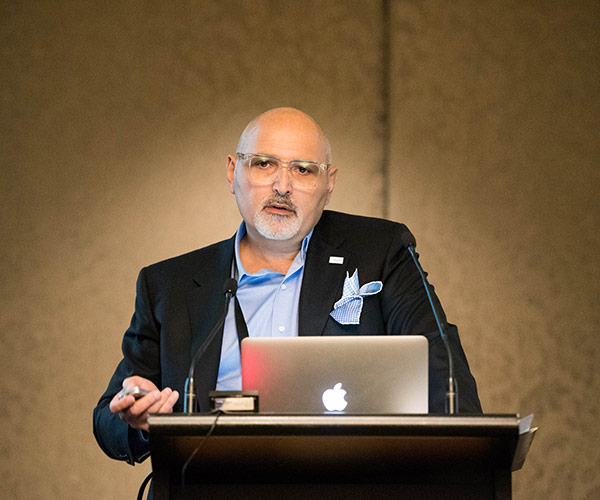
A/Prof Tim Papadopoulos (FRACS) assesses diastasis recti repair in Sydney using detailed clinical examination and personalised planning. During consultation, Dr Tim evaluates abdominal wall tension, skin laxity, scar location options, and functional symptoms. He then discusses suitability, procedure options, recovery and realistic outcomes. Importantly, results vary between individuals.
What Is Diastasis Recti?
Diastasis recti (also called rectus diastasis) is a widening of the connective tissue in the midline of the abdomen (linea alba). When this tissue stretches, the abdominal muscles lose supportive alignment. Therefore, the abdominal wall may feel weaker and appear less stable.
Diastasis recti commonly occurs:
-
after pregnancy (especially multiple pregnancies)
-
after weight gain or weight fluctuations
-
after massive weight loss
-
with natural ageing and connective tissue laxity
-
in men with increased central abdominal weight
Symptoms of Diastasis Recti
Some patients mainly notice a contour change. Others experience functional symptoms. For this reason, consultation includes both aesthetic and physical concerns.
Common symptoms include:
-
midline bulging (“doming”) when sitting up
-
poor core strength or reduced stability
-
lower back pain in selected patients
-
difficulty engaging abdominal muscles
-
abdominal “pooch” despite exercise
-
worsening shape with coughing or straining
Importantly, diastasis recti differs from a hernia. However, some patients may have both. Dr Tim clarifies this during the examination.
Diastasis Recti vs Hernia: What’s the Difference?
Diastasis recti involves muscle separation and tissue stretching. In contrast, a hernia involves a defect through which abdominal contents may protrude.
Therefore:
-
diastasis recti = widening/weakness (not a true hole)
-
hernia = a defect that may require a different repair approach
If Dr Tim suspects a hernia, he may recommend imaging or further assessment.
How Diastasis Recti Repair Works
Diastasis recti repair usually occurs during abdominoplasty (tummy tuck) surgery. This is because the repair sits deep to the abdominal skin and requires surgical access.
During surgery, Dr Tim:
-
exposes the abdominal wall
-
identifies the rectus muscle borders
-
repairs the separation using layered sutures
-
restores tension in the midline support system
As a result, the abdomen often looks flatter and feels more stable.
However, diastasis recti repair is not a substitute for strengthening. Instead, it restores anatomy so the core can function more effectively.
Can Diastasis Recti Be Fixed Without Surgery?
Some mild diastasis recti cases improve with targeted physiotherapy. Therefore, patients should consider conservative treatment before surgery.
Non-surgical options may include:
-
structured core rehabilitation programs
-
physiotherapist-led pelvic floor training
-
posture and breathing re-training
-
progressive strengthening
However, when separation is significant or skin excess is present, exercise alone usually cannot fully correct the contour.
Who May Benefit From Diastasis Recti Repair Surgery?
Patients may consider diastasis recti repair in Sydney if they:
-
have a persistent abdominal bulge after pregnancy
-
notice weak core support despite training
-
have excess skin after weight loss or pregnancy
-
want a flatter abdomen with improved structural support
-
maintain stable weight and good general health
Dr Tim confirms suitability during consultation.
Diastasis Recti Repair and Tummy Tuck Surgery
Many patients search for diastasis recti repair as a standalone operation. However, in most cases, the best approach involves abdominoplasty.
Therefore, Dr Tim often discusses:
-
tummy tuck with muscle repair
-
mini tummy tuck (selected patients)
-
extended tummy tuck (selected patients)
-
post-weight loss skin removal options
This approach allows both muscle tightening and skin contouring in one plan.
Recovery After Diastasis Recti Repair
Recovery varies depending on the extent of the procedure. However, muscle repair requires protection while healing.
Most patients can expect:
-
tightness and reduced movement early on
-
limited lifting and bending initially
-
walking encouraged early for circulation
-
gradual return to exercise as guided
-
avoidance of heavy core load for several weeks
In addition, Dr Tim provides detailed aftercare instructions and follow-up planning.
Important Considerations
Diastasis recti repair involves important long-term planning. For this reason, patients should avoid pregnancy soon after repair, where possible.
Factors that may affect outcomes include:
-
future pregnancy
-
large weight changes
-
smoking or nicotine exposure
-
connective tissue quality
-
compliance with recovery instructions
Disclaimer:
All surgical procedures carry inherent risks. The information provided here is general in nature and should not be used as a substitute for an in-person consultation with a qualified specialist. Individual outcomes vary based on anatomy, healing, and adherence to post-operative care. A/Prof Tim Papadopoulos will discuss the potential risks, benefits, and realistic expectations during your consultation.
Safety, training and professional standards
A/Prof Tim Papadopoulos is a Specialist Plastic Surgeon (FRACS) and is registered with the Australian Health Practitioner Regulation Agency (AHPRA). He is also a member and Past President of the Australasian Society of Aesthetic Plastic Surgeons (ASAPS).
Patients can also consult the Royal Australasian College of Surgeons (RACS) for information on surgical training and standards.