Technical Explanation of the Procedure
Fleur-de-lis abdominoplasty in Sydney is a specialised form of tummy tuck designed for patients with significant loose skin in both the vertical and horizontal directions, most commonly after massive weight loss or bariatric surgery. Unlike a standard abdominoplasty (which primarily removes skin horizontally), the fleur-de-lis technique removes two components of excess skin:
-
a horizontal excision (low bikini-line scar), and
-
a vertical excision (midline scar up the abdomen)
As a result, fleur-de-lis surgery can tighten the abdomen more aggressively for selected patients. However, this benefit comes with trade-offs — particularly in terms of scarring and wound healing.
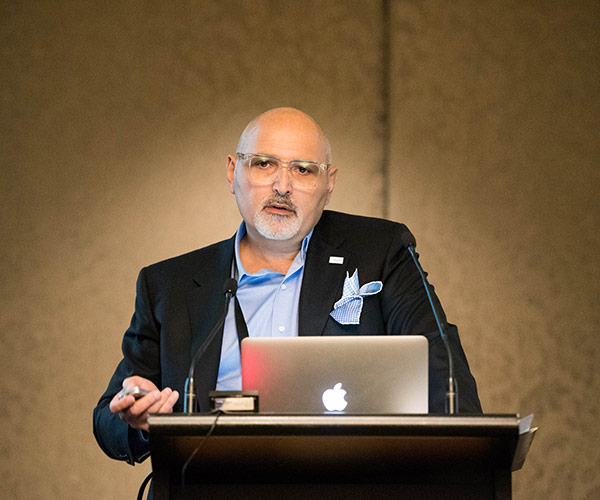
A/Prof Tim Papadopoulos (FRACS) provides individualised assessment for post-weight loss abdominal contouring. During consultation, Dr Tim assesses skin excess pattern, weight stability, scar history, tissue quality, and body proportions. He then discusses surgical options, staged approaches, scarring, recovery, and realistic outcomes. Importantly, outcomes vary between individuals.
What Fleur-de-lis Abdominoplasty Can Treat
Patients often consider fleur-de-lis abdominoplasty when they have:
-
large amounts of loose abdominal skin after weight loss
-
significant excess skin above and below the belly button
-
“widened” abdominal laxity across the midline
-
lower abdominal overhang (pannus) plus upper abdominal laxity
-
poor waist definition due to skin redundancy
This procedure is most relevant for major body reshaping rather than minor contour correction.
What the Fleur-de-lis Scar Pattern Looks Like
Fleur-de-lis abdominoplasty results in:
-
a low horizontal scar (similar to standard abdominoplasty)
-
plus a vertical scar running up the midline
Therefore, patients must accept a visible abdominal midline scar as a permanent trade-off for skin tightening.
Important Considerations: Why Many Surgeons Avoid Fleur-de-lis in Selected Patients
Although fleur-de-lis abdominoplasty can be appropriate in carefully selected cases, it is not always the best option.
Dr Tim generally prefers alternatives because the procedure may:
-
create a highly visible midline scar
-
increase wound tension at the T-junction
-
increase wound healing risk and scar problems
-
compromise the “clean aesthetic” of the abdomen in many patients
Legitimate Reasons Not to Perform Fleur-de-lis Abdominoplasty (Beyond Disliking the Scar)
Your primary reason (midline scar aesthetics) is already strong. However, here are additional legitimate surgical reasons (these are “board-proof” reasons — defensible, conservative, and safe):
1) Higher wound healing risk at the T-junction
The fleur-de-lis has a high-tension point where vertical + horizontal scars meet. This area has increased risk of:
-
delayed healing
-
wound breakdown (dehiscence)
-
hypertrophic scarring
2) Increased risk of compromised blood supply (skin flap perfusion)
Compared to standard abdominoplasty, fleur-de-lis can increase:
-
surgical undermining
-
tension vectors in more than one direction
This can reduce perfusion, which may increase risk of:
-
skin edge necrosis
-
wound separation
-
prolonged recovery
3) Higher scar-related dissatisfaction
Even if healing goes well, many patients later feel:
-
the midline scar draws attention
-
it limits clothing confidence
-
it “medicalises” their abdomen
In other words: the scar becomes the new complaint.
4) Scar widening risk and long-term scar quality concerns
The midline scar can widen because:
-
it sits on a dynamic zone (flexion/extension)
-
it experiences tension from posture and abdominal movement
This is especially relevant in:
-
patients with weaker collagen support
-
those prone to hypertrophic scars or keloids
5) Increased revision rates (especially scar revisions)
A common long-term issue:
-
patients request scar revision, scar camouflage, laser, or re-excision
-
or they regret the visibility despite improved contour
So even if the contour improves, the “cost of the win” becomes high.
6) It can be the wrong procedure for the actual deformity
Many patients request fleur-de-lis because they believe “more skin removal = better.”
However, their deformity may actually be:
-
circumferential laxity
-
lateral buttock descent
-
outer thigh drop
In those patients, fleur-de-lis targets the wrong vector. A lower body lift often gives a superior silhouette.
Dr Tim’s Preferred Alternative: Staged Body Contouring (Often Superior Aesthetically)
Many patients don’t need a fleur-de-lis scar to get an excellent result. Instead, Dr Tim frequently uses a staged approach that prioritises:
-
safety
-
scar concealment
-
overall silhouette
-
long-term aesthetics
Stage 1: Lower Body Lift (when indicated)
A lower body lift may improve:
-
lower abdominal excess
-
waistline definition
-
buttock and outer thigh support
-
circumferential contour
This often addresses what patients really need after massive weight loss.
Stage 2 (if required): Reverse Abdominoplasty
If upper abdominal laxity persists, a reverse abdominoplasty can be used to tighten the upper abdomen while placing scars in a more strategic location (depending on anatomy and prior surgery).
In selected patients, Dr Tim may combine this stage with:
-
facelift (selected patients)
Therefore, the approach becomes proportion-focused, rather than scar-dominant.
Suitability for Fleur-de-lis Abdominoplasty Sydney
Fleur-de-lis may be considered in patients who:
-
have massive vertical abdominal skin excess
-
accept a permanent midline scar
-
have stable weight
-
are medically appropriate for major contour surgery
-
understand scar trade-offs clearly
However, suitability is always confirmed during consultation.
Recovery and Key Considerations
Recovery varies depending on the extent of surgery. However, most patients can expect:
-
swelling and bruising early in recovery
-
activity restrictions during early healing
-
compression garments where indicated
-
ongoing scar maturation over many months
Importantly, fleur-de-lis abdominoplasty involves more extensive scar burden than standard tummy tuck.
Disclaimer:
All surgical procedures carry inherent risks. The information provided here is general in nature and should not be used as a substitute for an in-person consultation with a qualified specialist. Individual outcomes vary based on anatomy, healing, and adherence to post-operative care. A/Prof Tim Papadopoulos will discuss the potential risks, benefits, and realistic expectations during your consultation.
Safety, training and professional standards
A/Prof Tim Papadopoulos is a Specialist Plastic Surgeon (FRACS) and is registered with the Australian Health Practitioner Regulation Agency (AHPRA). He is also a member and Past President of the Australasian Society of Aesthetic Plastic Surgeons (ASAPS).
Patients can also consult the Royal Australasian College of Surgeons (RACS) for information on surgical training and standards.