Technical Explanation of the Procedure
A mini facelift in Sydney, also called a short scar facelift, is a facial rejuvenation procedure designed to improve early signs of ageing in the lower face. In particular, it targets mild jowling, early jawline softening, and subtle lower-face skin laxity. Because the procedure uses shorter incisions and a more limited dissection than a full facelift, many patients prefer a mini facelift when they want refinement rather than major correction.
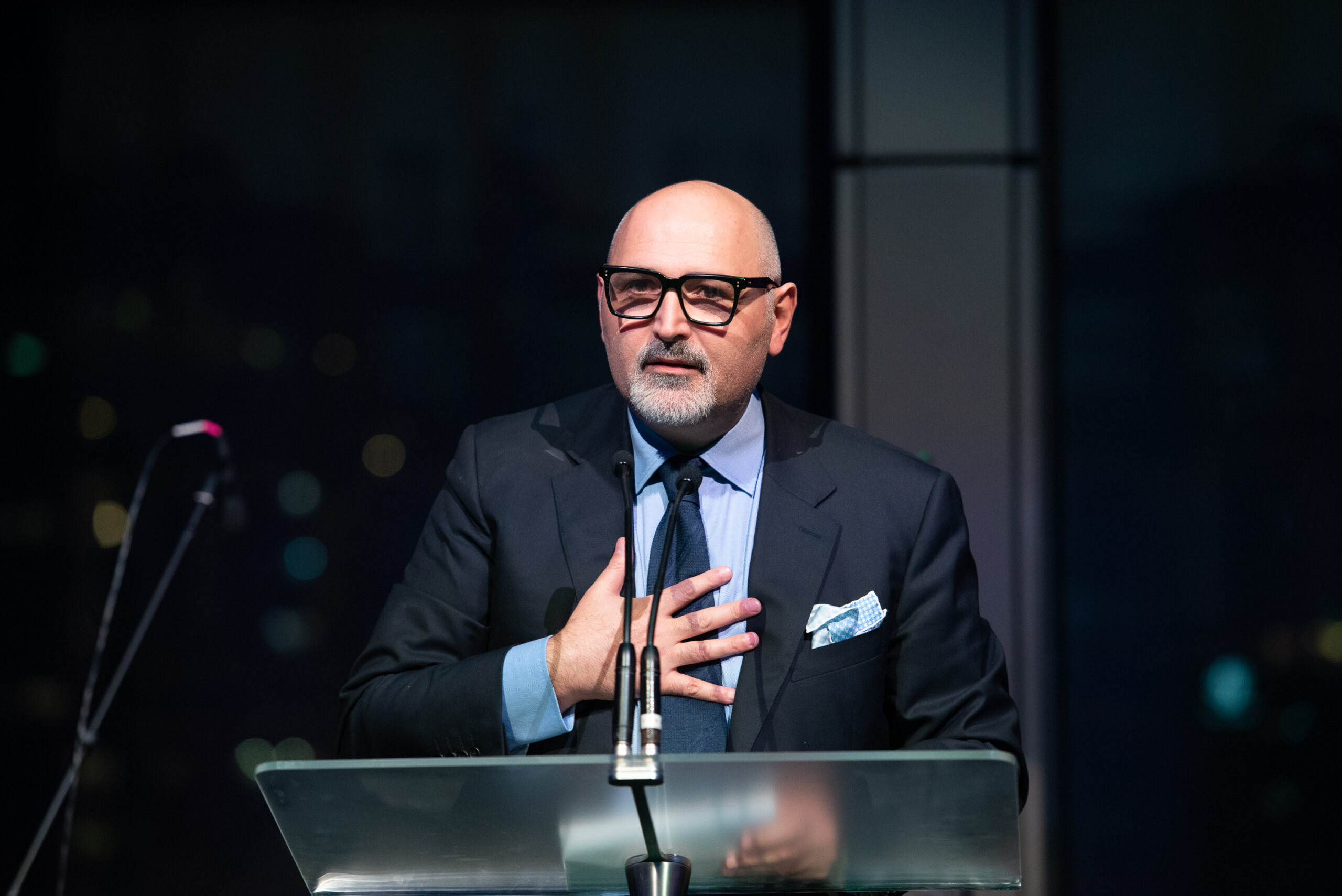
A/Prof Tim Papadopoulos (FRACS) performs mini facelift surgery in Sydney with tailored planning based on your anatomy and ageing changes. During consultation, Dr Tim assesses facial skin laxity, jowl development, neck contour, and SMAS support. He then explains technique options, scarring, recovery, risks and realistic outcomes as part of informed consent. Importantly, results vary between individuals.
What Is a Mini Facelift?
A mini facelift is a lower-face lifting procedure designed for selected patients with mild to moderate ageing changes. It typically:
-
targets the lower face (jowls and jawline)
-
uses shorter incisions compared to a full facelift
-
involves limited tightening of deeper tissues (SMAS) in selected patients
-
focuses on creating natural improvement rather than dramatic change
Importantly, a mini facelift does not replace a full facelift in patients with significant skin laxity or heavy neck ageing.
Who May Be a Good Candidate for a Mini Facelift?
A mini facelift may suit patients who:
-
have mild jowls or early jawline blurring
-
notice early sagging in the lower cheeks
-
have relatively good neck skin quality
-
prefer a smaller procedure with shorter recovery
-
want a natural “refreshed” look (not a major change)
However, if neck laxity is significant or if lower-face ageing is advanced, Dr Tim may recommend a full facelift and/or neck lift instead.
What a Mini Facelift Can Improve
Mini facelift surgery may help improve:
-
early jowls
-
jawline definition
-
mild lower cheek descent
-
subtle lower-face skin laxity
-
facial heaviness in the lower third of the face
In addition, some patients choose a mini facelift to maintain results from previous rejuvenation surgery.
Mini Facelift vs Full Facelift: What’s the Difference?
Patients commonly ask whether a mini facelift gives the “same result” as a full facelift. The procedures overlap, but they differ in scope.
Mini facelift (short scar facelift)
Typically involves:
-
shorter incisions
-
smaller dissection area
-
limited lifting of the lower face
-
faster recovery in many patients
Full facelift (rhytidectomy)
Typically involves:
-
broader correction of facial ageing
-
deeper structural repositioning of tissues
-
more significant improvement in jowls and neck
-
longer surgery and recovery
For this reason, procedure selection depends on anatomy rather than preference alone.
Incisions and Scar Placement (Short Scar Facelift)
Mini facelift surgery commonly uses a short scar incision pattern. Dr Tim places incisions in discreet locations, often:
-
around the front of the ear (preauricular crease)
-
into the ear contours for camouflage
-
with limited extension behind the ear (selected patients)
This approach aims to keep scars concealed while still enabling effective tissue repositioning.
Technical Overview: How a Mini Facelift Works
Modern mini facelift surgery focuses on more than skin tightening alone. Dr Tim aims to support a natural result by addressing deeper layers when appropriate.
During surgery, Dr Tim may:
-
elevate facial tissues in the lower face
-
refine jowl contour
-
adjust the SMAS layer (selected patients)
-
redrape skin with minimal tension
-
trim excess skin conservatively
-
close incisions with meticulous scar-focused technique
Because the technique is customised, not every mini facelift is identical.
Can a Mini Facelift Be Combined With Other Procedures?
Yes — mini facelift surgery is often combined with additional procedures when appropriate. For example:
-
neck liposuction (selected patients)
-
skin resurfacing (staged in selected patients)
-
anti-wrinkle injections or fillers (non-surgical planning)
Combination surgery depends on anatomy, safety, and recovery priorities.
Recovery After Mini Facelift Surgery
Recovery varies; however, patients commonly experience:
-
swelling and mild bruising early on
-
temporary numbness or tightness around incisions
-
gradual improvement over 6–12 weeks
-
scar maturation over several months
Dr Tim provides detailed post-operative instructions and follow-up planning to support healing.
Risks and Limitations of a Mini Facelift
All surgery carries risks. Mini facelift surgery may involve:
-
bruising or swelling
-
scarring
-
asymmetry
-
contour irregularity
-
temporary numbness
-
infection or bleeding (uncommon)
In addition, a mini facelift has limitations. It cannot correct severe neck laxity or significant midface descent. For this reason, Dr Tim confirms suitability during consultation.
Suitability for Mini Facelift Sydney
Patients may be suitable if they:
-
have mild to moderate lower-face ageing
-
have good general health
-
accept the reality of surgical scarring
-
do not smoke (or can stop prior to surgery)
-
have realistic expectations about improvement
Suitability for mini facelift surgery in Sydney is confirmed during consultation.
Disclaimer:
All surgical procedures carry inherent risks. The information provided here is general in nature and should not be used as a substitute for an in-person consultation with a qualified specialist. Individual outcomes vary based on anatomy, healing, and adherence to post-operative care. A/Prof Tim Papadopoulos will discuss the potential risks, benefits, and realistic expectations during your consultation.
Safety, training and professional standards
A/Prof Tim Papadopoulos is a Specialist Plastic Surgeon (FRACS) and is registered with the Australian Health Practitioner Regulation Agency (AHPRA). He is also a member and Past President of the Australasian Society of Aesthetic Plastic Surgeons (ASAPS).
Patients can also consult the Royal Australasian College of Surgeons (RACS) for information on surgical training and standards.