Technical Explanation of the Topic
Facelift risks in Sydney refer to the potential complications and safety considerations associated with facelift surgery (rhytidectomy). A facelift is a powerful procedure for rejuvenating the lower face and neck. However, it is still surgery. Therefore, it involves real risks, healing limitations, and individual variability in outcome.
In addition, facelift surgery is not identical for every patient. Some patients need minor correction. Others require deeper structural repositioning and neck work. As a result, facelift complications vary depending on anatomy, surgical complexity, and recovery factors.
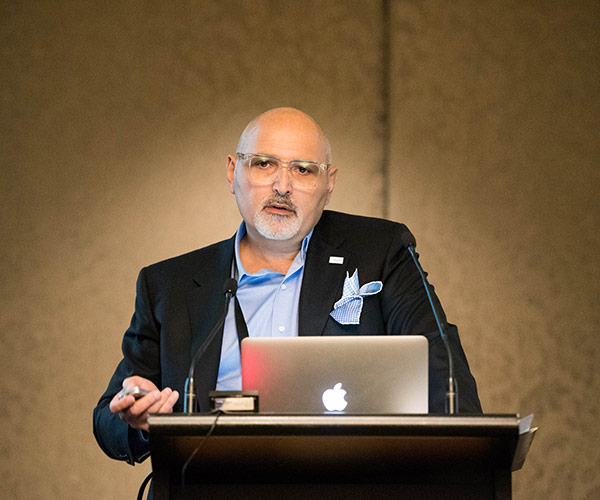
A/Prof Tim Papadopoulos (FRACS) performs facelift surgery in Sydney with personalised planning and strict surgical standards. During consultation, Dr Tim assesses facial anatomy, skin quality, medical history, and risk factors. He then discusses potential facelift risks, realistic outcomes, recovery timelines, and how complications are managed. Importantly, individual outcomes vary.
Why Understanding Facelift Risks Matters
Many patients focus on the aesthetic benefits of facelift surgery. However, safe surgery starts with informed decision-making.
Understanding facelift risks helps patients:
-
set realistic expectations
-
plan recovery appropriately
-
recognise early warning signs
-
weigh risk vs benefit with clarity
-
make safer choices regarding surgeon selection and facility standards
Therefore, a detailed consultation lays the foundation for safe, predictable outcomes.
What Are the Main Risks of Facelift Surgery?
Facelift surgery involves working near delicate structures, including nerves, blood vessels, and soft tissue layers. For this reason, complications—although uncommon in expert hands—remain possible.
Potential facelift risks include:
-
bleeding (haematoma)
-
infection
-
delayed wound healing
-
skin loss (skin necrosis)
-
nerve injury (temporary or permanent weakness)
-
numbness or altered sensation
-
scarring concerns
-
asymmetry
-
contour irregularities
-
swelling that persists longer than expected
-
dissatisfaction with the outcome
Notably, the majority of patients heal uneventfully. However, every patient should understand these risks before proceeding.
1) Bleeding / Haematoma
Haematoma is one of the most important early complications of facelift. It refers to bleeding under the skin after surgery.
A haematoma may cause:
-
sudden swelling on one side
-
increasing pain or pressure
-
firmness in the surgical area
-
bruising that expands rapidly
Some haematomas resolve with observation. However, larger haematomas may require urgent return to theatre to protect skin and optimise healing.
2) Infection
Infection is uncommon after facelift surgery, but it can occur.
Signs of infection may include:
-
increasing redness or warmth
-
worsening swelling
-
fever or chills
-
pus-like discharge
-
increased tenderness
Prompt assessment is important. Therefore, patients should contact the clinic quickly if concerning symptoms occur.
3) Scarring Concerns
All facelift surgery creates scars. However, experienced techniques aim to place scars in discreet locations and optimise healing.
Scar issues may include:
-
thick or raised scars
-
widened scars
-
pigmentation changes
-
visible scarring at the hairline (selected patients)
Dr Tim discusses incision placement and scar care during consultation and follow-up.
4) Delayed Healing and Wound Issues
Some patients heal more slowly than expected. Delayed healing may result from:
-
smoking or vaping
-
poor blood supply to skin
-
diabetes or medical conditions
-
excessive tension in closure
-
previous surgery or scar tissue
For this reason, patients must follow pre-operative and post-operative instructions carefully.
5) Skin Loss (Skin Necrosis)
Skin necrosis is an uncommon but serious facelift complication. It occurs when the skin’s blood supply is compromised.
Risk factors include:
-
smoking or vaping (major risk factor)
-
high tension on skin closure
-
medical conditions affecting circulation
Therefore, Dr Tim strongly advises smoking cessation prior to surgery to improve healing safety.
6) Nerve Injury (Facial Nerve Weakness)
Facelift surgery involves operating near branches of the facial nerve. For this reason, nerve weakness is a known potential complication.
Facial nerve risk may involve:
-
temporary weakness (more common)
-
rarely, permanent weakness
Nerve weakness may present as:
-
difficulty elevating the eyebrow (selected cases)
-
uneven smile
-
weakness in lower lip movement
-
asymmetry during facial expression
In most cases, temporary weakness resolves over time. However, Dr Tim discusses this risk in detail during the consent process.
7) Numbness and Altered Sensation
Temporary numbness is common after facelift surgery, especially around:
-
earlobes
-
jawline
-
cheek skin
-
incision areas
In most patients, sensation improves gradually. However, some areas may remain altered long-term.
8) Asymmetry and Contour Irregularities
No face is perfectly symmetrical. In addition, healing differs on each side.
Possible aesthetic complications include:
-
mild asymmetry
-
contour irregularities
-
fullness or hollowing in selected areas
-
irregular scar healing
-
ear distortion (rare, but possible)
Dr Tim discusses the limits of symmetry and natural variation during consultation.
9) Swelling and Prolonged Recovery
Swelling is normal after facelift surgery. However, recovery timelines vary.
Patients should expect:
-
swelling and bruising early
-
gradual improvement over weeks
-
subtle refinement over several months
Therefore, major events should not be planned too soon after surgery. Dr Tim provides tailored timelines based on your surgery plan.
Risk Reduction: How Dr Tim Improves Safety
Facelift safety depends on:
-
surgeon training and technique
-
appropriate patient selection
-
hospital and anaesthetic standards
-
careful post-operative monitoring
Dr Tim reduces risk through:
-
detailed medical assessment
-
conservative surgical planning
-
careful technique around nerves and blood supply
-
structured follow-up
-
clear patient instructions
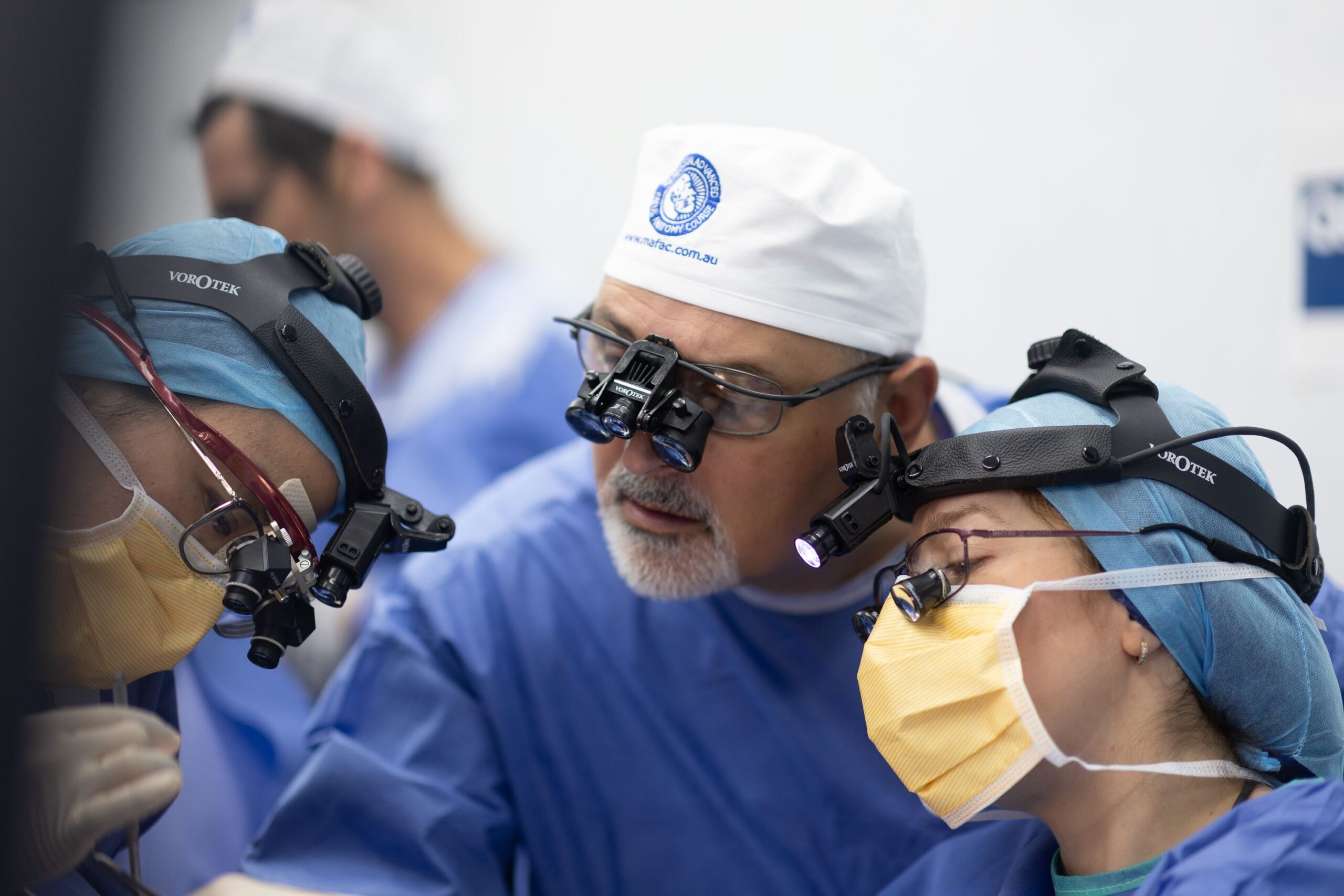
In addition, Dr. Tim is a faculty member of the MAFAC (Mendelson Advanced Facial Anatomy Course), an internationally respected program that teaches facial anatomy and deep- plane facelift techniques. This ongoing teaching role supports high-level anatomical knowledge, technical refinement, and adherence to modern safety standards for facelifts.
Importantly, patients also influence risk through lifestyle factors and compliance with medical advice.
Patient Factors That Increase Facelift Risks
Some factors increase complication risk, including:
-
smoking or vaping
-
uncontrolled hypertension
-
diabetes or immune compromise
-
blood-thinning medications/supplements
-
significant sun-damaged skin
-
previous facelift surgery (revision risk)
Dr Tim reviews all factors during consultation to optimise safety.
When to Seek Urgent Review After Facelift Surgery
Patients should seek urgent review if they notice:
-
rapid swelling on one side
-
severe pain or tightness
-
breathing issues (rare)
-
sudden bleeding
-
fever or worsening redness
-
skin colour change (dusky/black areas)
Early assessment can prevent escalation and improve outcomes.
Disclaimer:
All surgical procedures carry inherent risks. The information provided here is general in nature and should not be used as a substitute for an in-person consultation with a qualified specialist. Individual outcomes vary based on anatomy, healing, and adherence to post-operative care. A/Prof Tim Papadopoulos will discuss the potential risks, benefits, and realistic expectations during your consultation.
Safety, training and professional standards
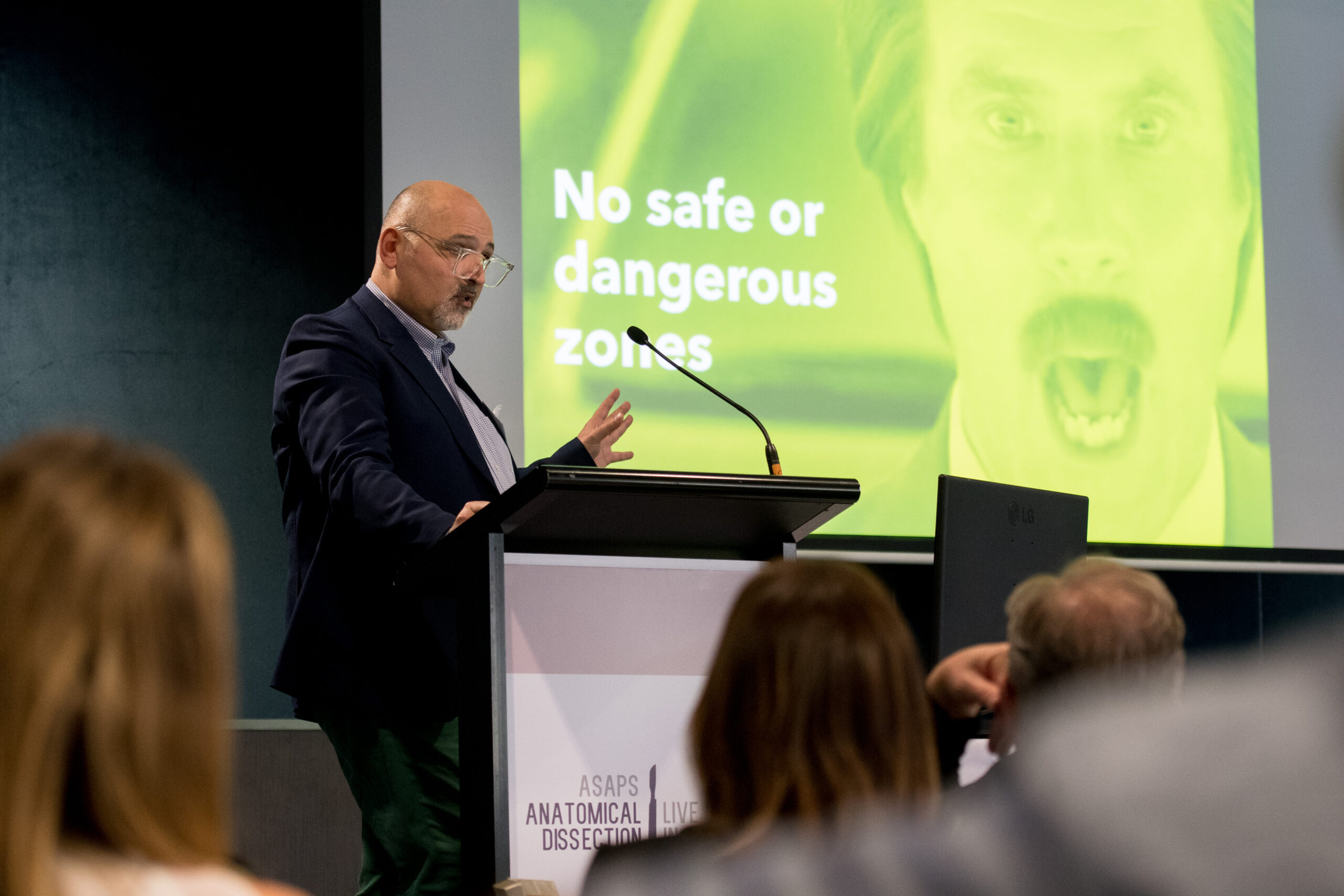
A/Prof Tim Papadopoulos is a Specialist Plastic Surgeon (FRACS) and is registered with the Australian Health Practitioner Regulation Agency (AHPRA). He is also a member and Past President of the Australasian Society of Aesthetic Plastic Surgeons (ASAPS).
Patients can also consult the Royal Australasian College of Surgeons (RACS) for information on surgical training and standards.