Technical Explanation of the Condition
Jowls treatment in Sydney refers to procedures designed to reduce sagging along the lower cheeks and jawline. Jowling is one of the most common signs of facial ageing. Over time, tissues descend and shift forward. As a result, the jawline can lose definition and appear heavier, softer, or less structured.
Jowls develop due to a combination of:
-
facial ligament laxity
-
soft-tissue descent
-
loss of facial volume in the midface
-
skin laxity
-
changes in the neck and platysma (selected patients)
Therefore, jowls treatment requires an approach that restores lower-face support, rather than simply tightening skin.
A/Prof Tim Papadopoulos (FRACS) provides jowls treatment in Sydney with tailored surgical planning. During consultation, Dr Tim assesses your facial anatomy, jawline definition, neck contour, skin quality, and the degree of tissue descent. He then discusses the most appropriate surgical options, scarring, recovery, risks, and realistic outcomes as part of informed consent. Importantly, outcomes vary between individuals.
What Are Jowls?
Jowls refer to sagging tissue that forms along the jawline, typically between the chin and the angle of the jaw. Many patients describe jowls as:
-
“drooping skin” beside the mouth
-
heaviness along the jawline
-
shadowing that makes the lower face look aged
-
loss of a sharp jawline
In addition, jowls can make the nasolabial folds and marionette lines appear more prominent.
Why Jowls Develop
Jowls do not occur from skin ageing alone. Instead, the deeper facial support system changes.
Common contributing factors include:
-
weakening of facial retaining ligaments
-
descent of the SMAS and facial fat compartments
-
loss of midface support, allowing tissue to “fall” into the lower face
-
skin laxity and reduced collagen
-
genetic jawline anatomy and tissue heaviness
-
neck laxity and platysma changes (selected patients)
For this reason, effective treatment usually involves repositioning deeper tissues.
Jowls vs Marionette Lines (Important Distinction)
Many patients confuse jowls with marionette lines. However, they are different.
Jowls = tissue descent along the jawline.
Marionette lines = folds that run downward from the corners of the mouth.
In some patients, both occur together. Therefore, Dr Tim confirms the cause of lower-face ageing during consultation before recommending treatment.
Surgical Options for Jowls Treatment in Sydney
Surgery remains the most effective option for moderate-to-severe jowls because it restores structural support.
Facelift Surgery for Jowls (Rhytidectomy)
A facelift treats jowls by repositioning deeper tissues and restoring jawline contour. Unlike older techniques that mainly tightened skin, modern facelift surgery focuses on:
-
lifting and repositioning the SMAS layer
-
restoring soft tissue position
-
refining the jawline and lower cheek contour
-
trimming excess skin with precision
This approach aims to improve jowls while maintaining a natural appearance.
Deep Plane Facelift for Jowls (Selected Patients)
In selected patients, Dr Tim may recommend a deep plane facelift, which repositions the deeper facial layers more comprehensively. This technique can provide significant improvement in:
-
jowls
-
lower cheek descent
-
jawline definition
-
nasolabial folds (selected patients)
However, suitability depends on anatomy and surgical goals. Dr Tim confirms this during the consultation.
Neck Lift Surgery (When the Neck Contributes to Jowls)
For many patients, jowls are connected to neck ageing. Therefore, Dr Tim may recommend combining facelift surgery with a neck lift.
A neck lift can improve:
-
loose skin beneath the jawline
-
neck banding (platysmal bands)
-
submental fullness (selected patients)
-
jawline contour transitions
This combination often produces a more balanced lower-face result.
Targeted Jowl Correction (Selected Patients)
In selected cases, the jowl contour can be improved using a more targeted approach. These techniques may involve:
-
limited-incision lift options (selected patients)
-
focused SMAS tightening or repositioning
-
scar planning to support jawline refinement
However, not all patients are candidates for limited approaches. For this reason, Dr Tim guides suitability during consultation.
Liposuction vs Jowl Surgery (Important Clarification)
Some patients ask about “liposuction for jowls.” However, most jowls involve:
-
tissue descent
-
skin laxity
-
ligament support changes
Therefore, liposuction alone often does not correct jowling. In addition, excessive fat removal can worsen sagging in some patients.
Dr Tim confirms whether fat reduction is appropriate as part of treatment planning.
Combining Jowls Treatment With Other Procedures
Many patients choose jowl correction alongside other facial procedures for harmony. Depending on anatomy, Dr Tim may discuss combining surgery with:
-
facial fat grafting (selected patients)
-
chin augmentation (selected patients)
This combination approach can enhance balance across the face and neck.
Recovery and Important Considerations
Recovery depends on the extent of the surgery. However, most patients can expect:
-
swelling and bruising early in recovery
-
gradual refinement over several weeks
-
restrictions on exercise in the early phase
-
supportive dressings where indicated
-
scheduled follow-up for scar and healing assessment
Importantly, all surgery involves scars. Dr Tim places incisions strategically to reduce visible scarring where possible.
Suitability for Jowls Surgery in Sydney
Patients may be suitable for surgical jowls treatment when they:
-
have visible jowling and jawline softening
-
maintain good general health
-
understand scars are necessary for correction
-
have realistic expectations
-
do not smoke (or can stop prior to surgery)
Suitability for jowls treatment in Sydney is confirmed during consultation.
Disclaimer:
All surgical procedures carry inherent risks. The information provided here is general in nature and should not be used as a substitute for an in-person consultation with a qualified specialist. Individual outcomes vary based on anatomy, healing, and adherence to post-operative care. A/Prof Tim Papadopoulos will discuss the potential risks, benefits, and realistic expectations during your consultation.
Safety, training and professional standards
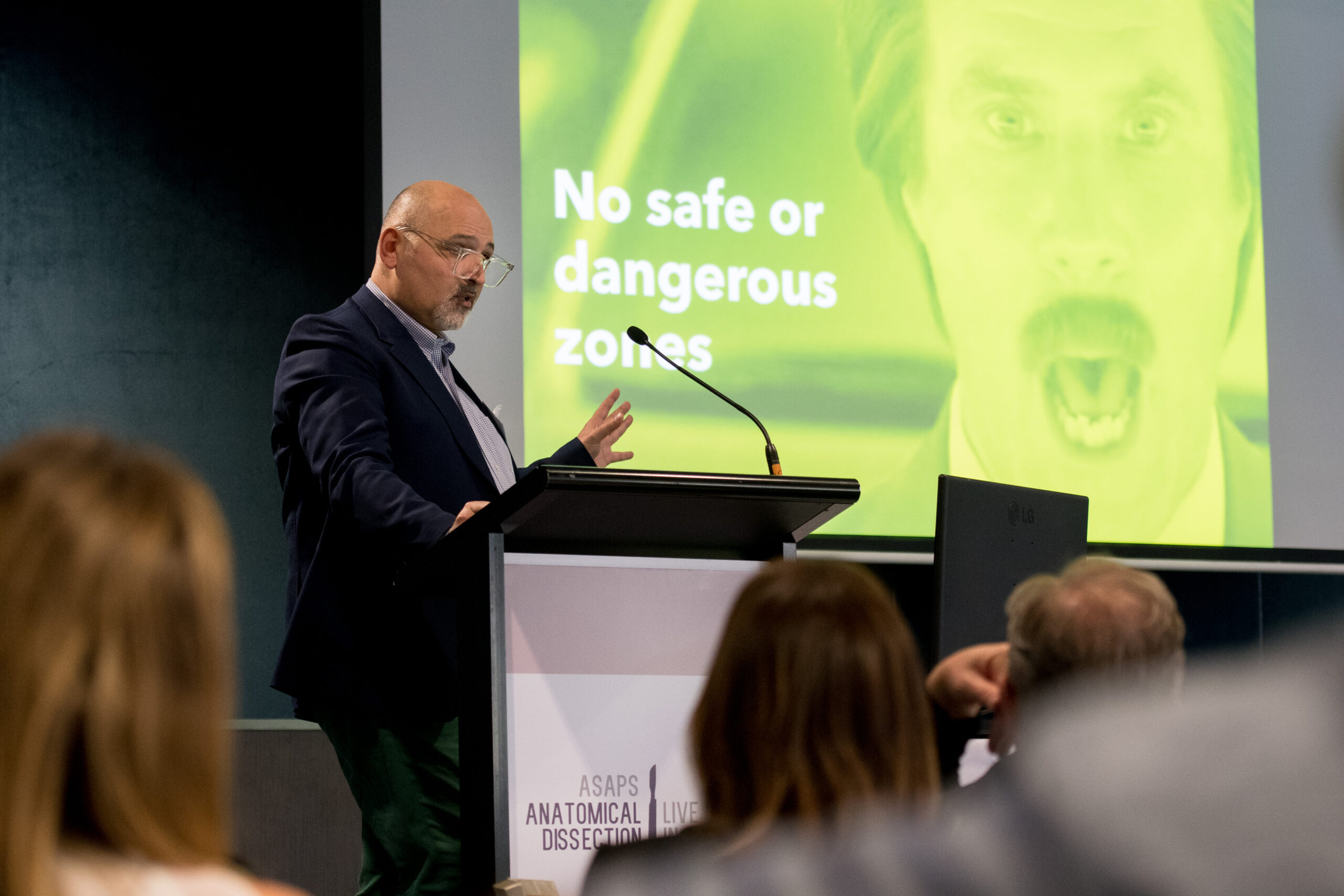
A/Prof Tim Papadopoulos is a Specialist Plastic Surgeon (FRACS) and is registered with the Australian Health Practitioner Regulation Agency (AHPRA). He is also a member and Past President of the Australasian Society of Aesthetic Plastic Surgeons (ASAPS).
Patients can also consult the Royal Australasian College of Surgeons (RACS) for information on surgical training and standards.