Vitamin Infusion Treatment in Sydney
Technical Explanation of the Treatment
Vitamin infusion treatment in Sydney, also known as IV therapy or intravenous vitamin therapy, is a clinical treatment that delivers fluids and selected nutrients directly into a vein. Because the infusion enters the bloodstream, it avoids the digestive tract. For some patients, this may be useful when oral intake is inadequate, when hydration is required, or when specific nutrients are prescribed as part of a medical plan.
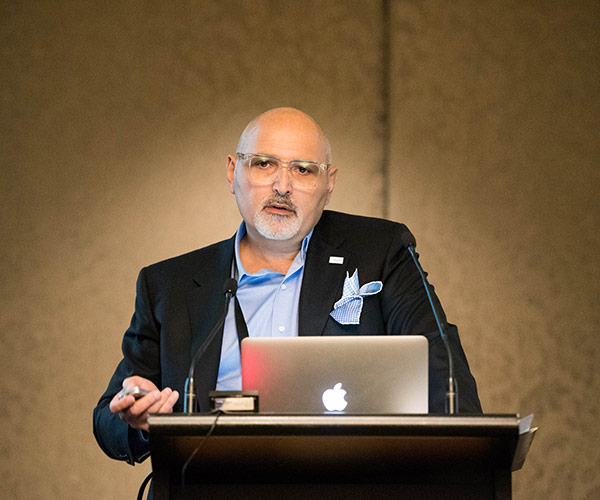
A/Prof Tim Papadopoulos (FRACS) supports patients with comprehensive aesthetic and wellness-orientated care planning. In selected patients, vitamin infusion treatment in Sydney may be considered under appropriate clinical assessment. During consultation, your medical history, medications, and suitability are reviewed. Importantly, IV therapy is not appropriate for everyone, and outcomes vary between individuals.
What Vitamin Infusion Treatment May Be Used For
Depending on the formulation and clinical indication, IV therapy may be considered for:
-
hydration support in selected patients
-
fatigue or low energy concerns (after appropriate assessment)
-
nutrient replacement where clinically indicated
-
support during recovery periods (selected patients)
-
general well-being in selected patients
However, IV vitamin therapy is not a substitute for medical treatment of illness. For this reason, assessment is essential before proceeding.
What Is in a Vitamin Infusion?
A vitamin infusion commonly includes:
-
intravenous fluids
-
vitamins (e.g., vitamin C or B-complex)
-
minerals (e.g., magnesium)
-
amino acids (selected formulations)
The exact ingredients depend on your needs and suitability. Therefore, treatment plans are individualised, rather than “one formula for everyone”.
How IV Therapy Works
A qualified clinician inserts a small cannula into a vein, usually in the arm. The infusion then runs over a controlled period. Most patients tolerate the process well. However, the experience varies depending on vein quality, hydration status, and the specific formulation.
After treatment, many patients return to normal activities promptly. That said, individual response differs.
Safety and Important Considerations
Vitamin infusion treatment is a medical procedure that requires appropriate screening. Risks can include bruising, local irritation, infection, inflammation of the vein (phlebitis), or unwanted effects from specific nutrients. For this reason, clinical oversight and proper protocols are essential.
Suitability for vitamin infusion treatment in Sydney is confirmed during consultation.
Vitamin infusion treatments may also be available through Cosmetic Culture, depending on clinical suitability and practitioner assessment.
Disclaimer:
The information provided on this page is general in nature and is intended for educational purposes only. It does not replace an in-person medical consultation, diagnosis, or treatment. Vitamin infusion treatment (IV therapy) may not be suitable for everyone and is not intended to diagnose, treat, cure, or prevent any medical condition.
A consultation with A/Prof Tim Papadopoulos (Specialist Plastic Surgeon, FRACS) or an appropriately qualified clinician is required to assess suitability. This assessment may include review of medical history, current medications and supplements, allergies, pregnancy status, and relevant health conditions (including kidney, liver, cardiovascular, or metabolic conditions). Individual results vary, and no specific outcome can be guaranteed.
As with all intravenous treatments, risks and side effects can occur. These may include bruising, discomfort at the cannula site, vein inflammation (phlebitis), infection, dizziness, fainting, fluid overload (rare), and allergic reactions to components (rare). Vitamin infusion treatment may also be unsuitable for some patients or may require modification based on clinical assessment.
Any discussion of benefits relates to general well-being goals and does not imply guaranteed or permanent results. Treatment is provided only after informed consent.
Safety, training and professional standards
A/Prof Tim Papadopoulos is a Specialist Plastic Surgeon (FRACS) and is registered with the Australian Health Practitioner Regulation Agency (AHPRA). He is also a member and Past President of the Australasian Society of Aesthetic Plastic Surgeons (ASAPS).
Patients can also consult the Royal Australasian College of Surgeons (RACS) for information on surgical training and standards.