Technical Explanation of the Condition
Animation deformity after breast implants in Sydney refers to visible breast movement or distortion when the pectoralis muscle contracts. Patients most commonly notice this during gym activity, lifting, pushing, or certain arm movements. In particular, the breast can appear to “jump,” shift, or flatten temporarily when the chest muscle activates.
Animation deformity occurs most often when implants sit under the pectoralis major muscle (submuscular placement). Therefore, muscle contraction can transmit force to the implant, which affects breast shape and movement.
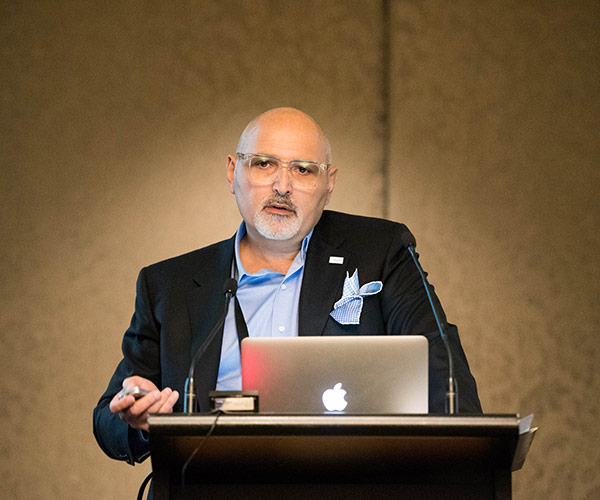
A/Prof Tim Papadopoulos (FRACS) assesses animation deformity after breast implants in Sydney with careful clinical evaluation. During consultation, Dr Tim reviews your implant history, pocket position, symptoms, and breast tissue characteristics. He then discusses treatment options, recovery, risks, and realistic outcomes as part of informed consent. Importantly, results vary between individuals.
What Animation Deformity Can Look Like
Patients may report:
-
breast distortion during chest muscle contraction
-
visible implant shifting during exercise
-
breast flattening with pushing or lifting movements
-
discomfort, tightness, or pulling sensations
-
changes in symmetry between breasts during movement
-
reduced confidence during gym activity or in fitted clothing
In addition, some patients experience more pronounced movement over time, particularly if the implant pocket stretches or if tissue support changes.
Why Animation Deformity Happens
Animation deformity typically occurs when the implant is influenced by pectoral muscle forces. Common contributing factors include:
-
submuscular implant placement (complete or partial)
-
implant pocket characteristics (tightness, stretch, or weakness)
-
degree of muscle release in the original augmentation
-
tissue thickness and breast support structures
-
implant size, profile, and weight
-
capsular scarring or contracture in selected patients
Because breast implant anatomy is individual, not all submuscular implants develop animation deformity, and severity varies significantly.
Is Animation Deformity Harmful?
Animation deformity is often a functional and aesthetic concern, rather than a medical emergency. However, patients may find it distressing or disruptive, especially those who:
-
exercise frequently
-
perform strength training
-
have high chest muscle activity
-
want stable breast shape during movement
For some patients, animation deformity can also be associated with:
-
discomfort during muscle use
-
implant malposition over time
-
implant “pulling” sensations
-
dissatisfaction with breast appearance despite good resting appearance
Dr Tim assesses whether the implant pocket and capsule remain stable and whether revision surgery may be appropriate.
Treatment Options for Animation Deformity After Breast Implants
Treatment depends on implant position, capsule condition, tissue support, and goals. Therefore, management is always personalised.
Non-surgical management (selected patients)
In mild cases, some patients manage symptoms with:
-
activity modification (selected patients)
-
targeted exercise programming
-
observation where symptoms are mild
However, non-surgical options cannot change implant pocket anatomy, so they usually do not resolve moderate-to-severe animation deformity.
Surgical Treatment (Breast Implant Revision Surgery)
When symptoms are significant, revision surgery may improve breast stability and reduce animation deformity.
Dr Tim may discuss:
Implant pocket change (common approach)
Pocket change surgery aims to move the implant away from pectoral muscle forces. Options include:
-
converting from submuscular to subfascial (selected patients)
-
converting from submuscular to subglandular (selected patients)
-
converting from dual plane to subfascial when appropriate
This approach reduces the implant’s interaction with muscle contraction.
Internal bra/mesh support (selected patients)
In patients requiring additional support, Dr Tim may discuss internal reinforcement techniques to:
-
improve implant stability
-
reduce recurrent movement
-
support long-term pocket control
Capsulectomy or capsulotomy (when indicated)
If capsular scar tissue contributes to distortion or implant restriction, Dr Tim may recommend:
-
partial capsulectomy
-
total capsulectomy
-
capsulotomy
This depends on clinical findings and surgical safety.
Implant exchange (selected patients)
Some patients benefit from implant exchange to adjust:
-
implant size/weight
-
implant profile
-
implant cohesiveness
-
implant surface type (where relevant)
Recovery and Important Considerations
Recovery depends on revision complexity. However, patients commonly experience:
-
swelling and tightness early in recovery
-
restriction from heavy lifting initially
-
gradual return to gym activity with structured guidance
-
follow-up for scar and implant monitoring
Because revision surgery involves previous implants and existing capsule changes, careful planning is essential. Dr Tim discusses:
-
scar placement
-
risks and limitations
-
implant choice considerations
-
expected recovery timeline
Suitability for Surgery
You may be suitable for surgical correction if you:
-
experience visible implant movement during muscle contraction
-
feel discomfort or dissatisfaction with breast movement
-
have stable general health
-
accept that surgery involves scars and recovery
-
do not smoke (or can stop prior to surgery)
Suitability for animation deformity correction is confirmed during consultation.
Disclaimer:
All surgical procedures carry inherent risks. The information provided here is general in nature and should not be used as a substitute for an in-person consultation with a qualified specialist. Individual outcomes vary based on anatomy, healing, and adherence to post-operative care. A/Prof Tim Papadopoulos will discuss the potential risks, benefits, and realistic expectations during your consultation.
Safety, training and professional standards
A/Prof Tim Papadopoulos is a Specialist Plastic Surgeon (FRACS) and is registered with the Australian Health Practitioner Regulation Agency (AHPRA). He is also a member and Past President of the Australasian Society of Aesthetic Plastic Surgeons (ASAPS).
Patients can also consult the Royal Australasian College of Surgeons (RACS) for information on surgical training and standards.