Technical Explanation of the Procedure
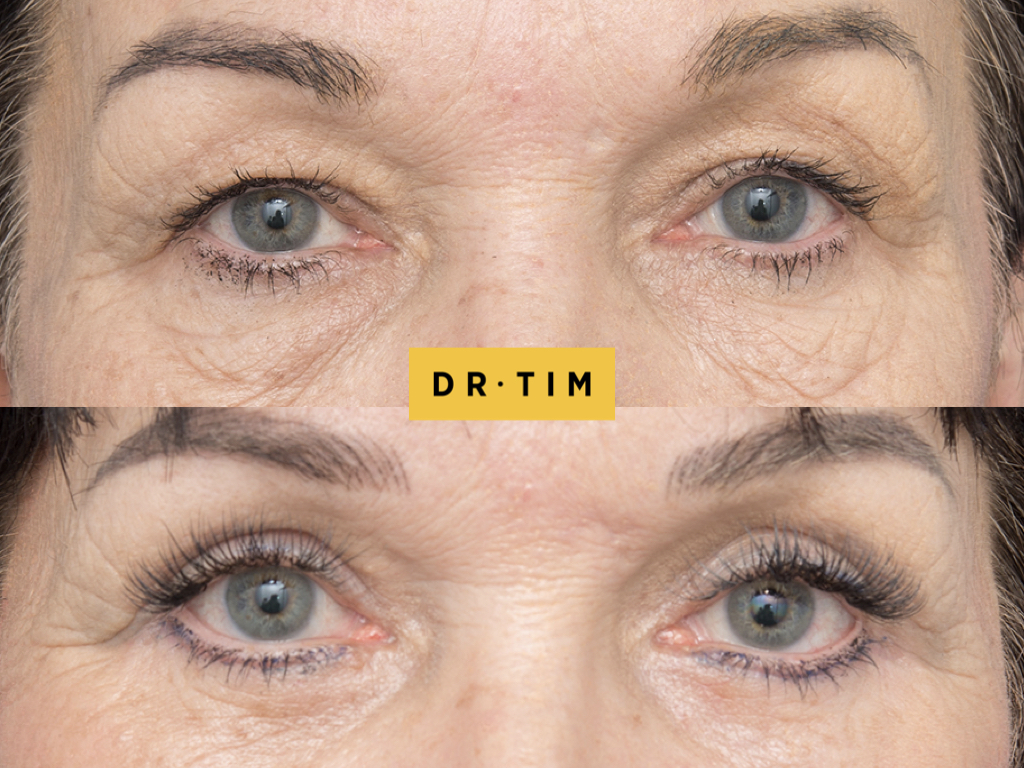
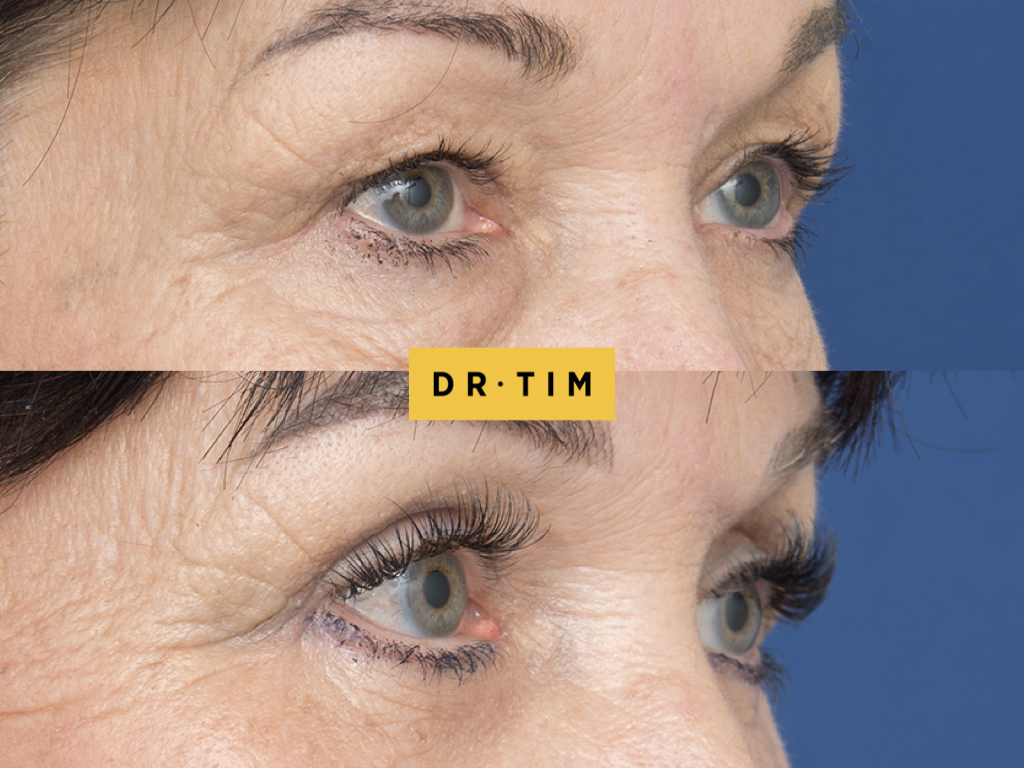
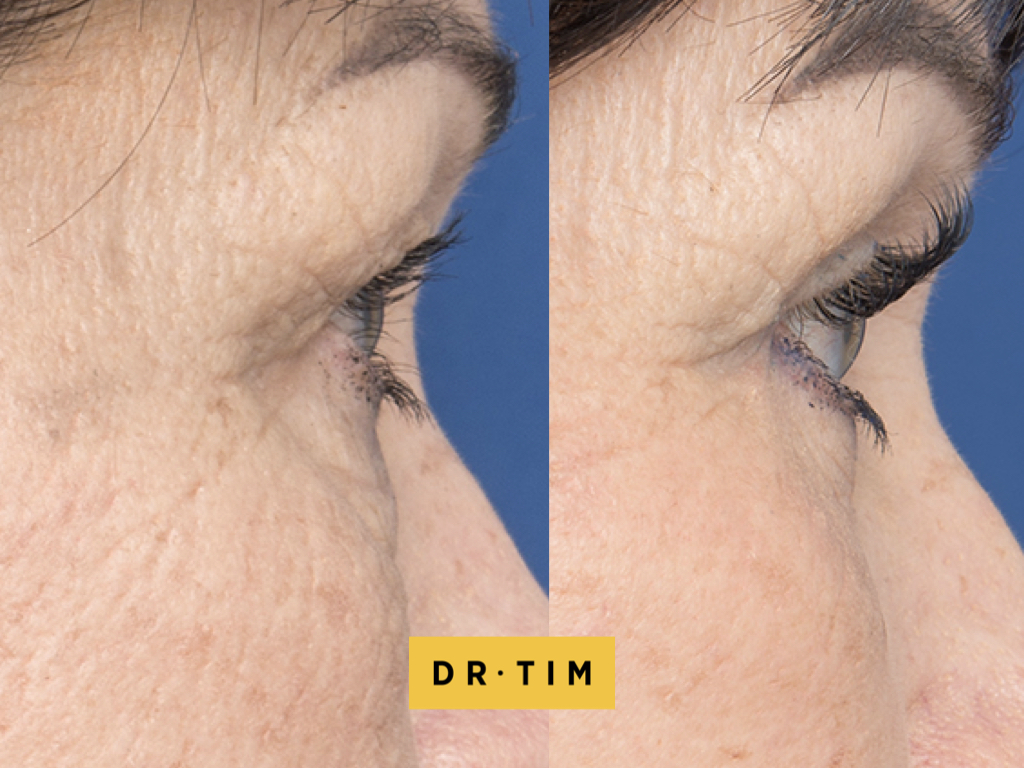
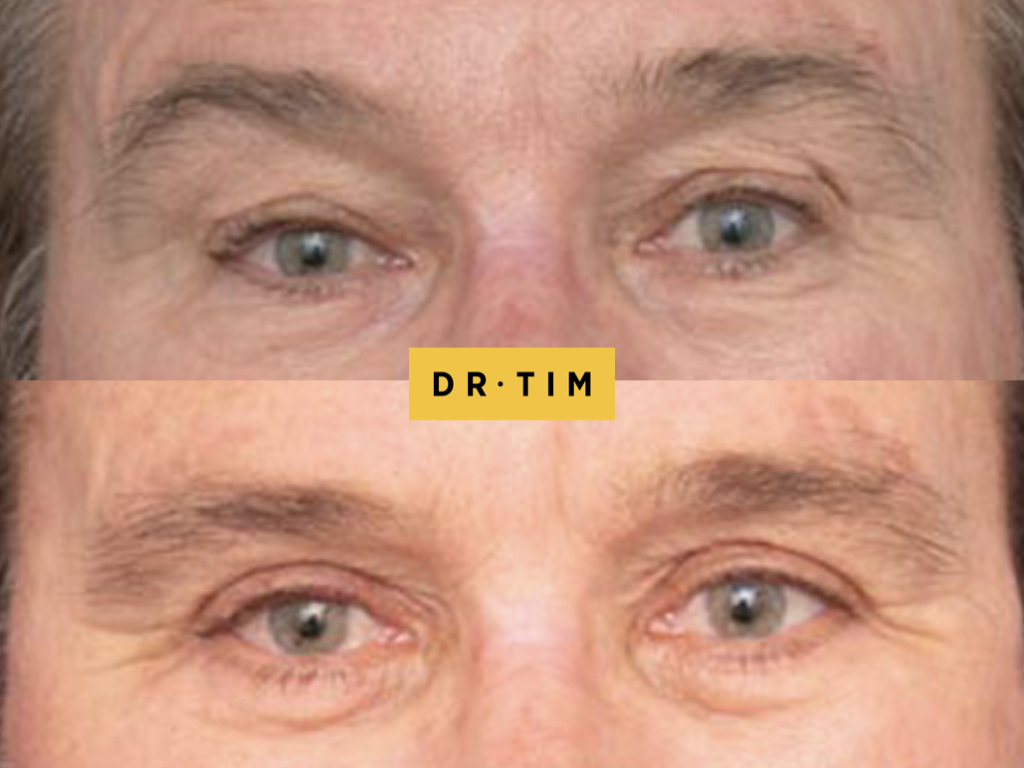
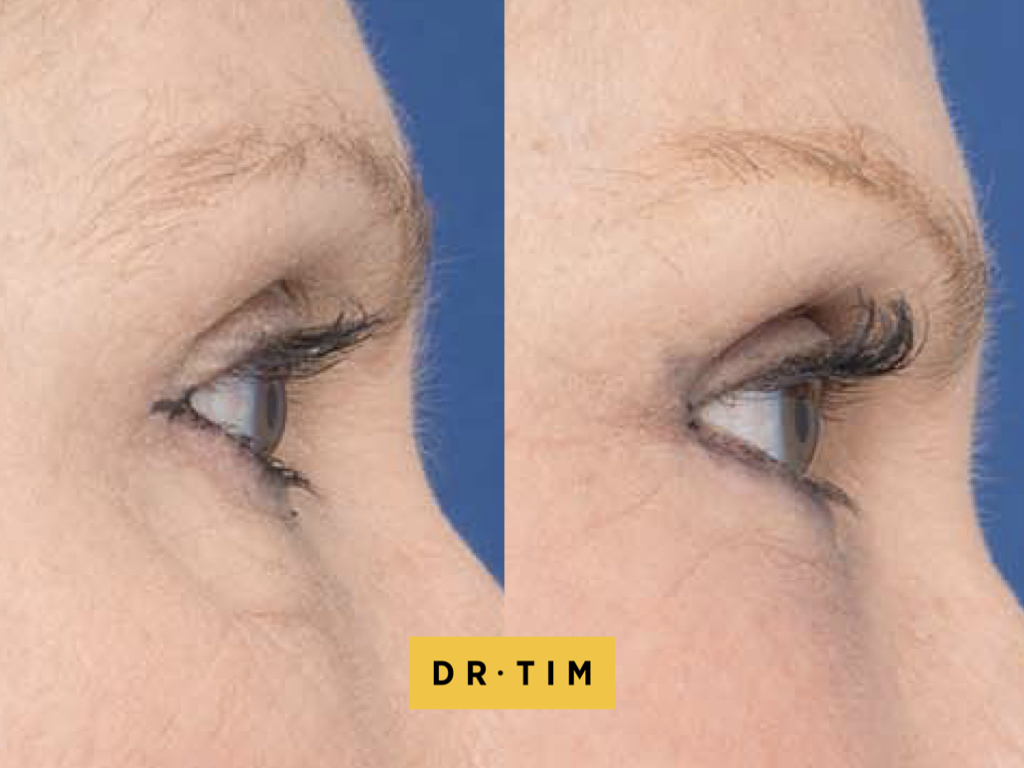
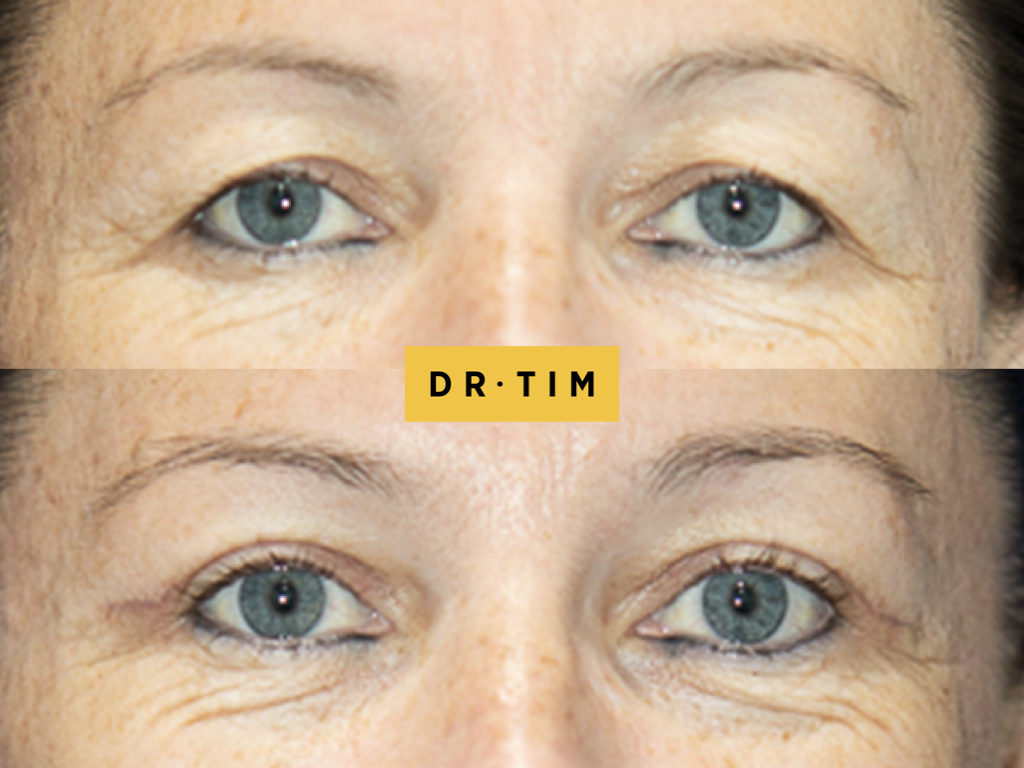
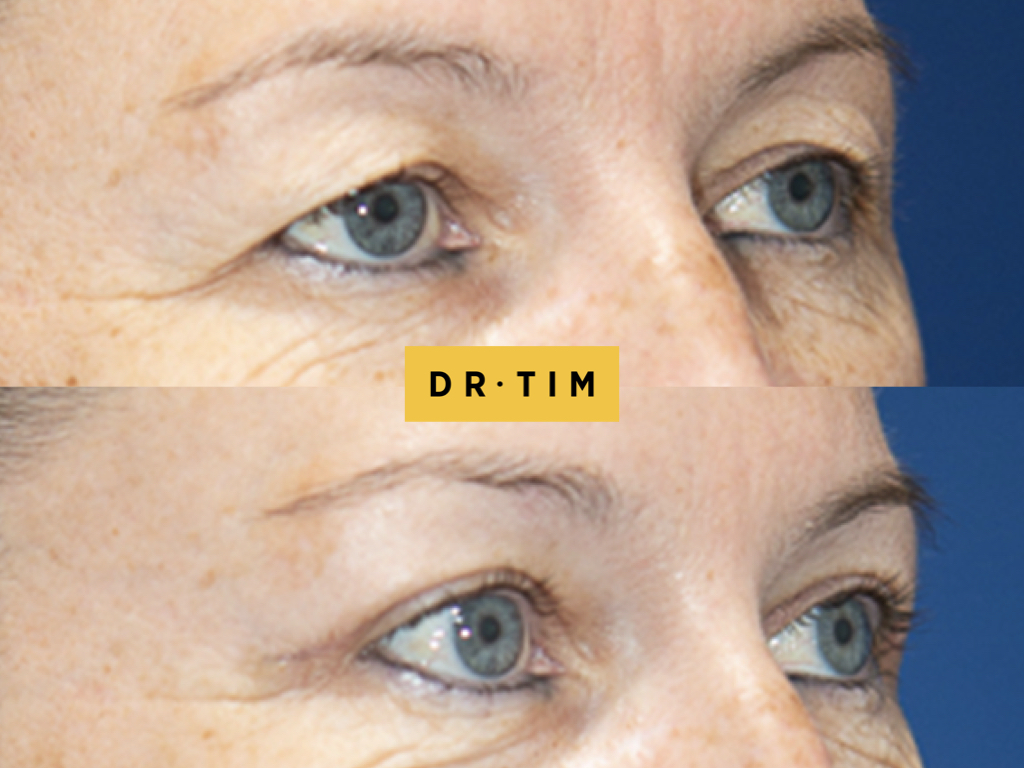
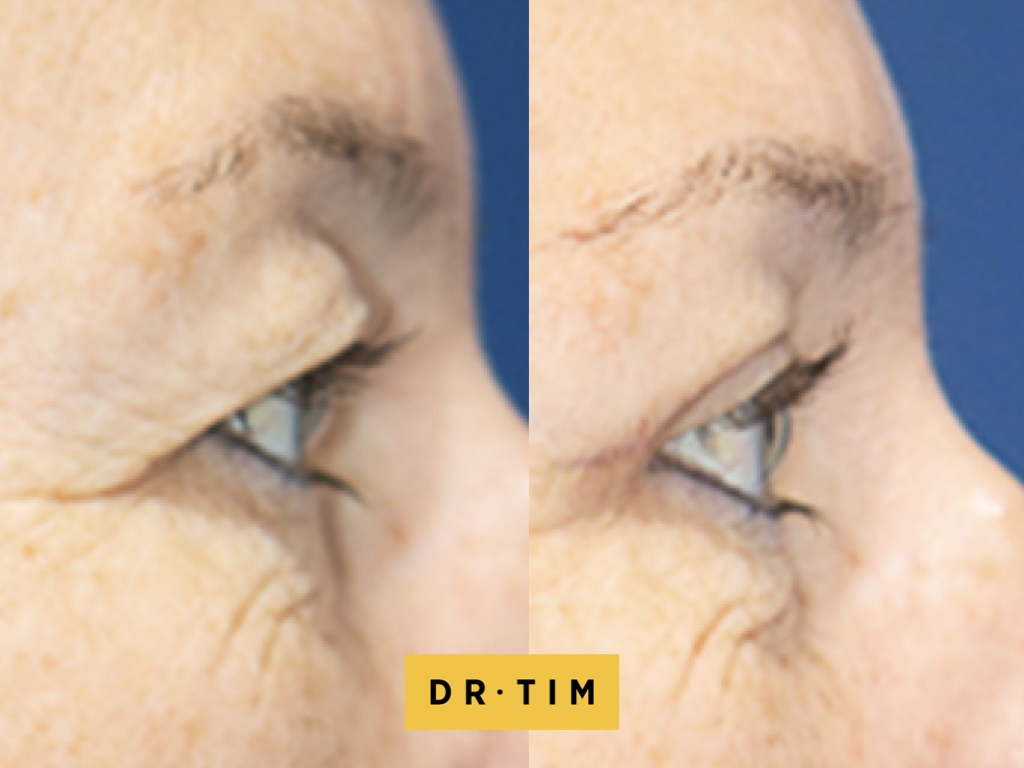
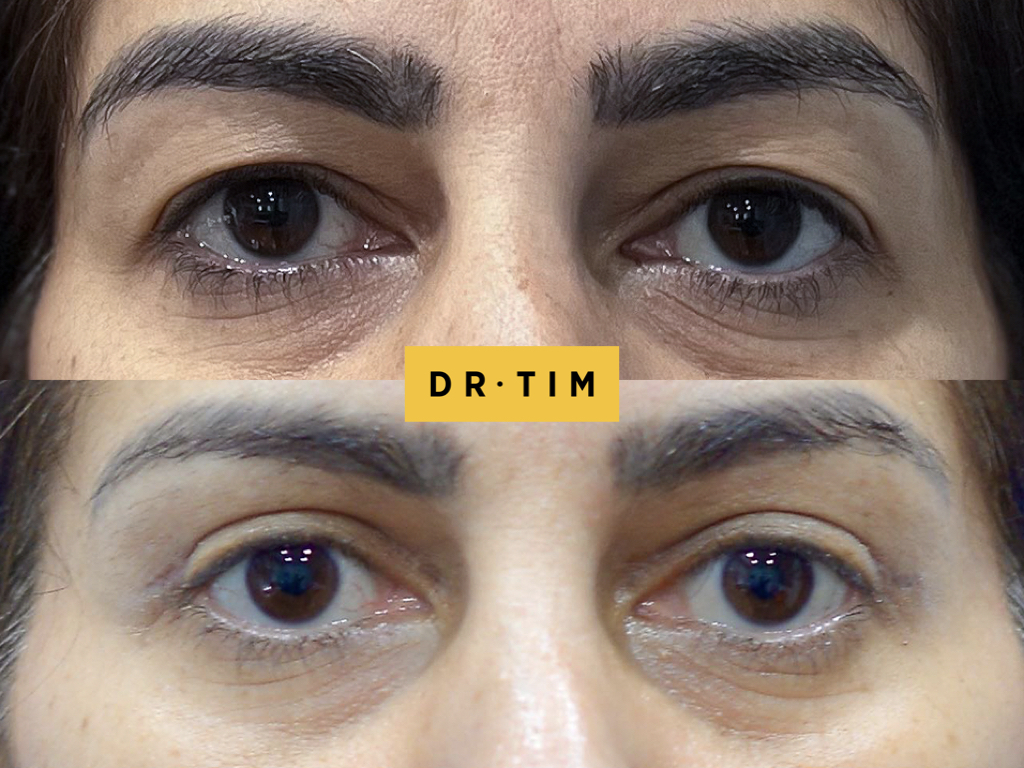
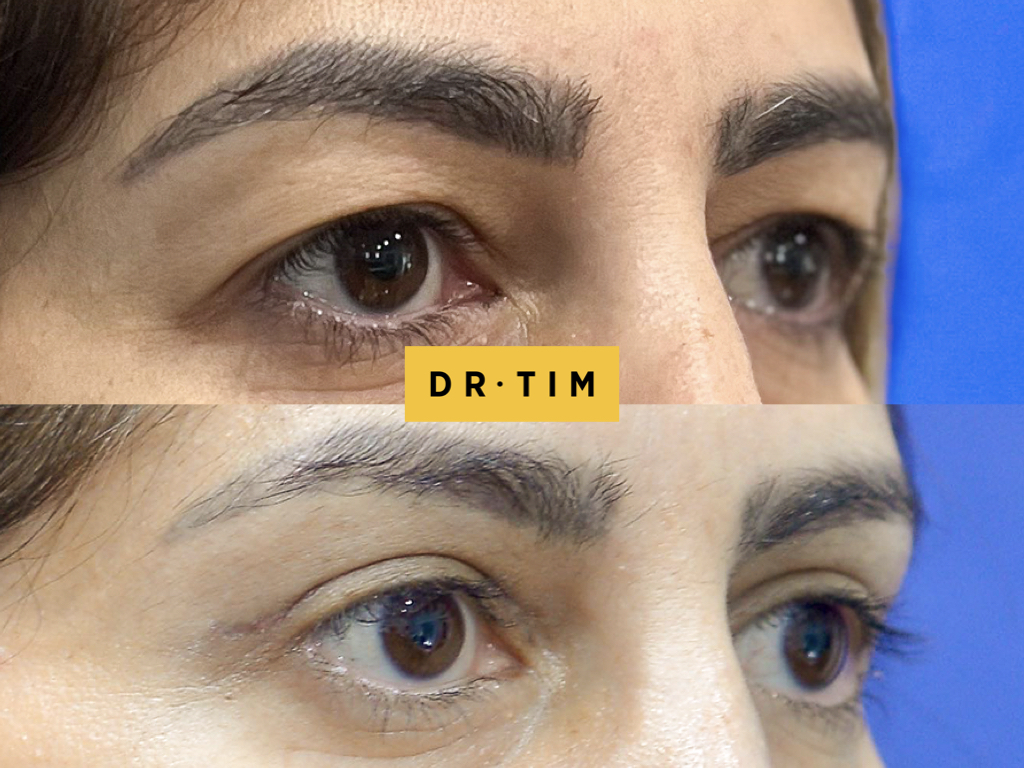
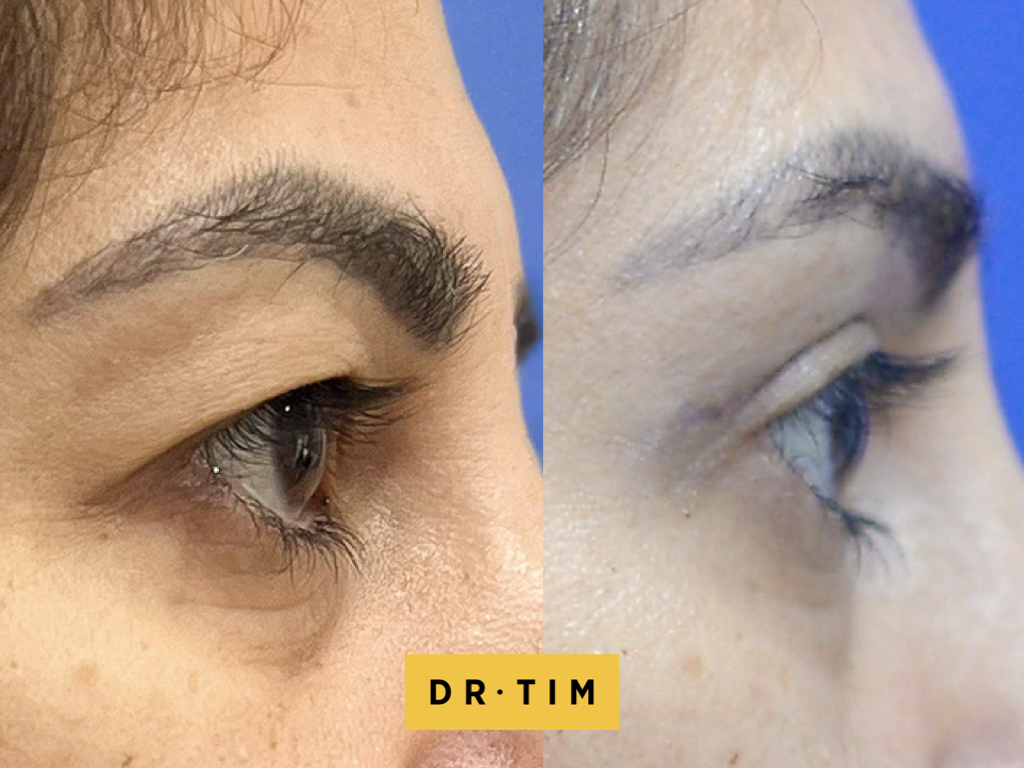
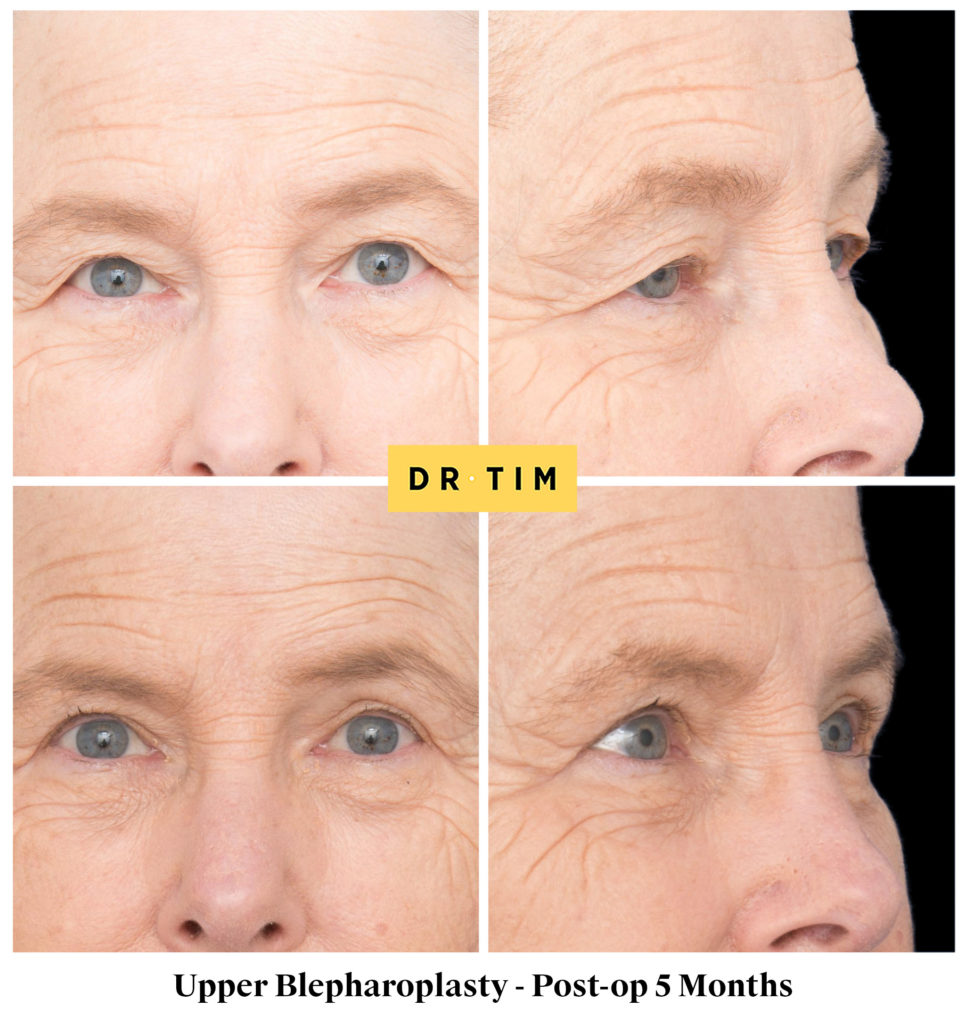
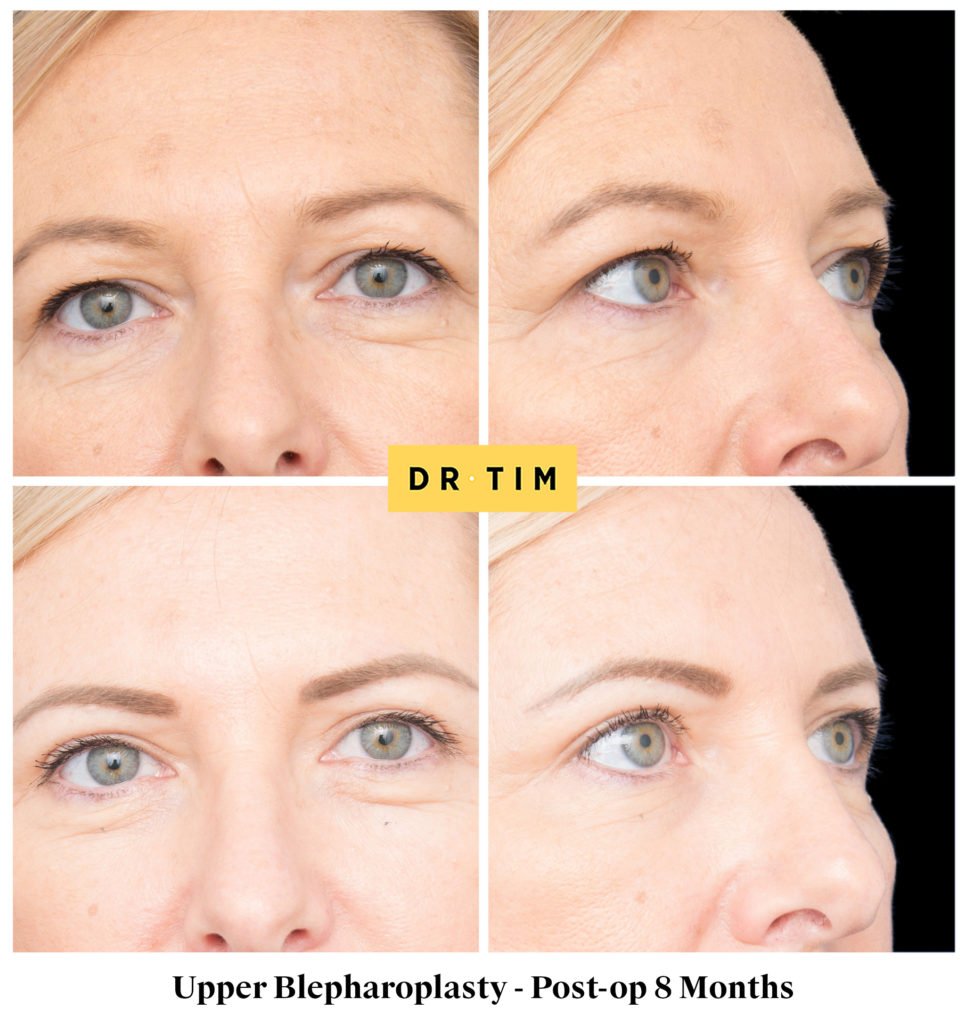
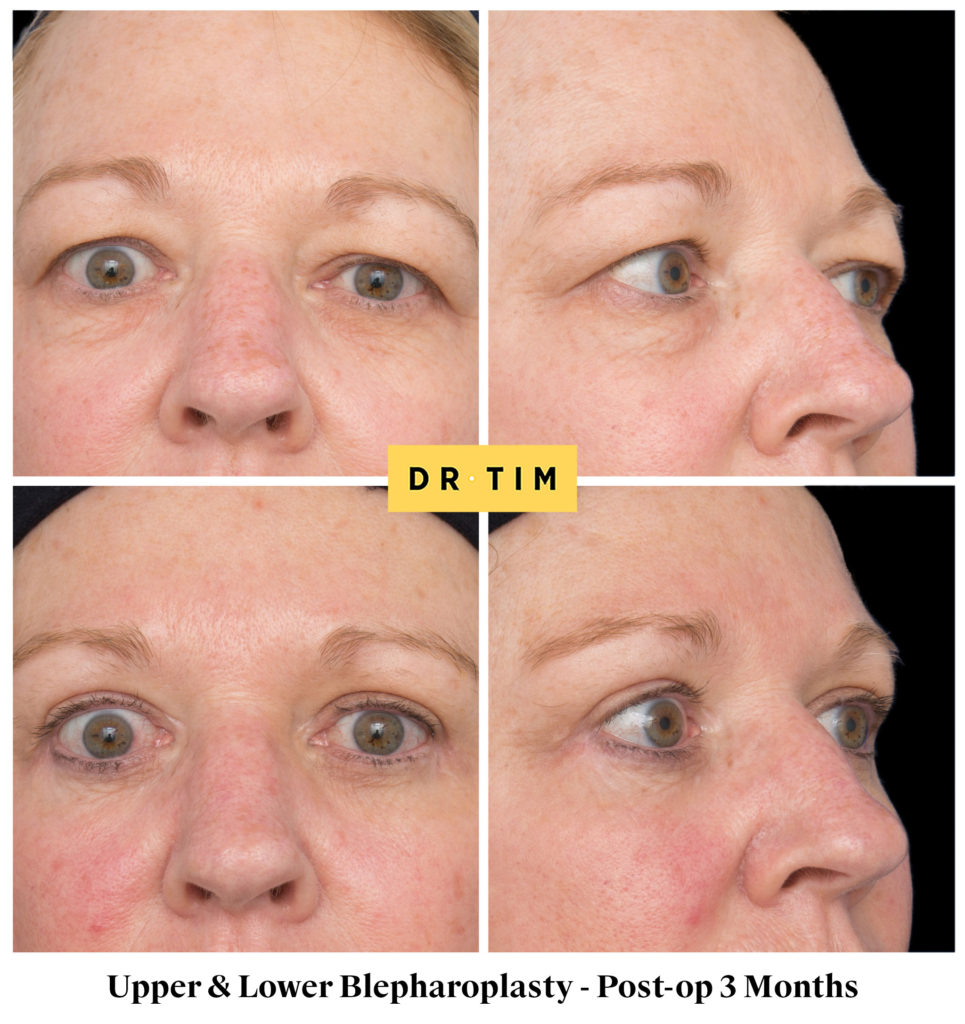
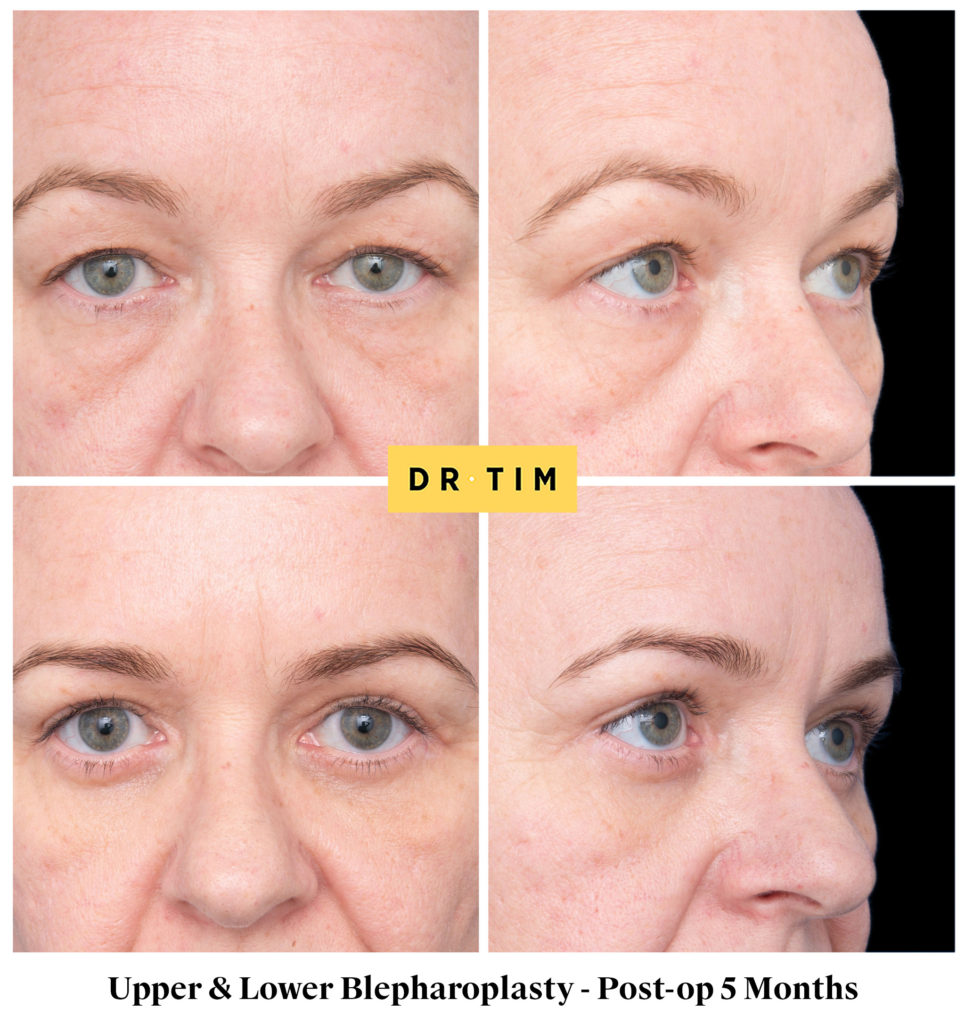
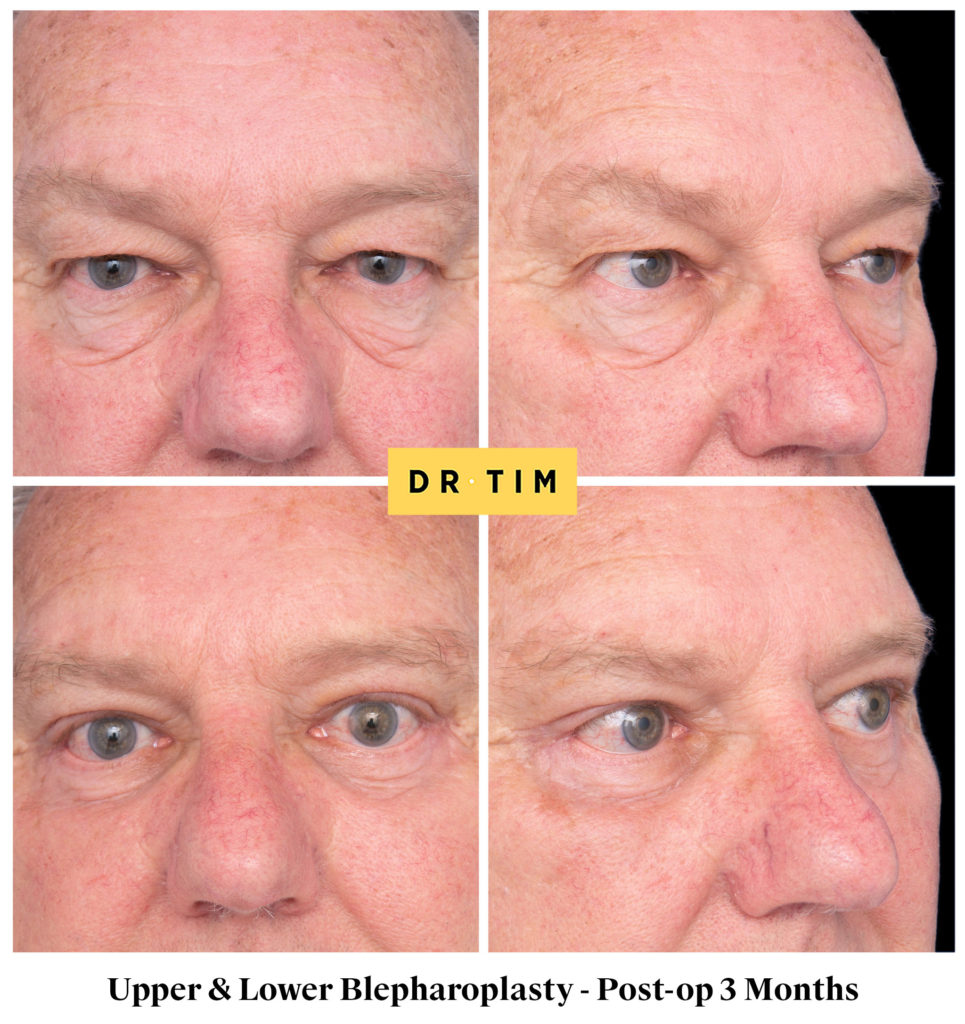
Eyelid lift, medically known as blepharoplasty, is a procedure designed to improve the appearance of the eyelids. It can also improve eyelid function in selected patients. Blepharoplasty addresses excess eyelid skin, protruding fat, and changes in eyelid contour that develop over time. As a result, the eyes can appear more open and refreshed while maintaining a natural look.
For patients considering blepharoplasty in Sydney, Dr Tim assesses whether the concerns relate to the upper eyelids, lower eyelids, or both. He then designs a tailored approach based on anatomy, skin quality, and goals. Importantly, eyelid surgery requires precise planning because small changes can significantly affect facial balance.
Upper Eyelid Blepharoplasty
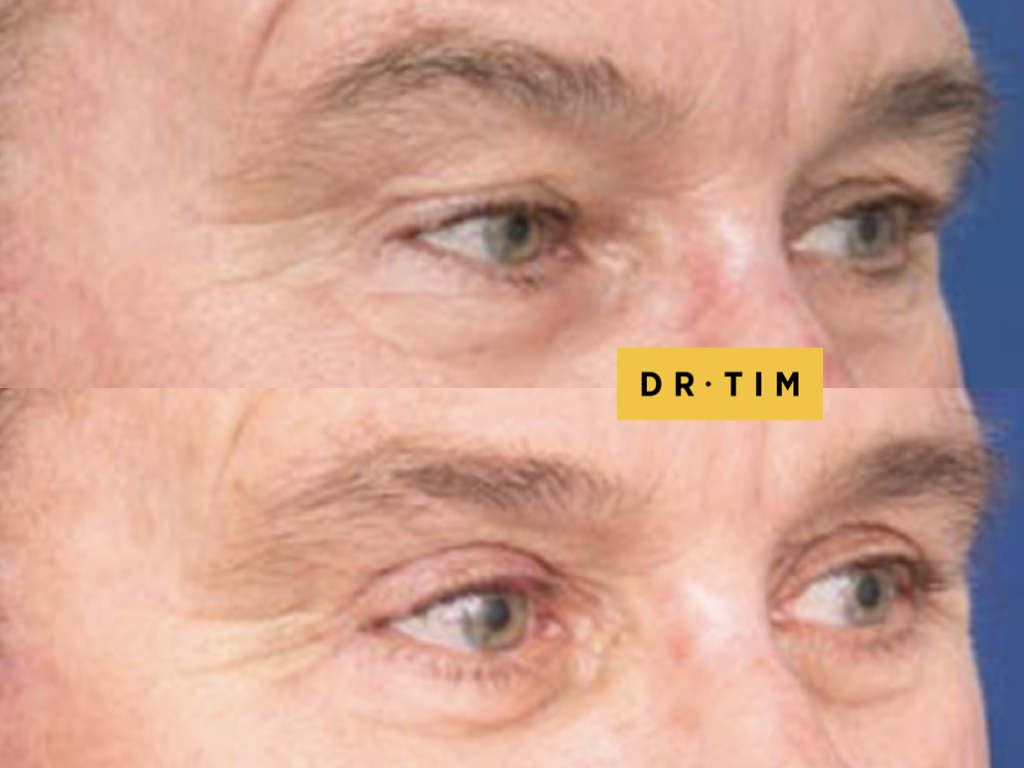
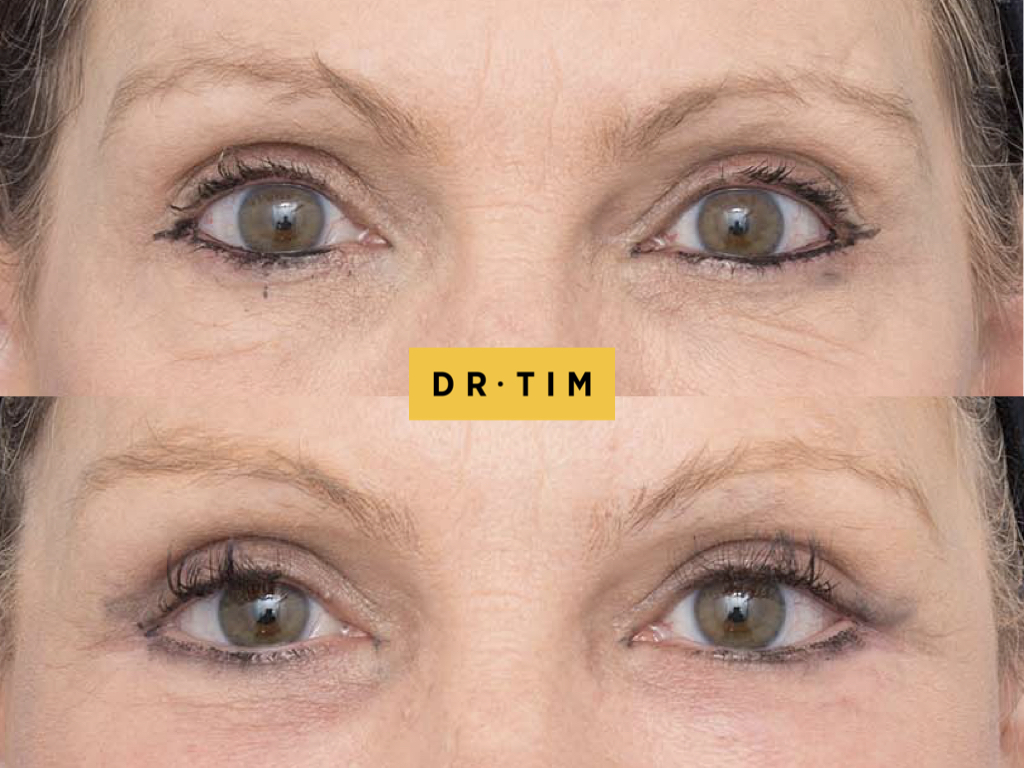
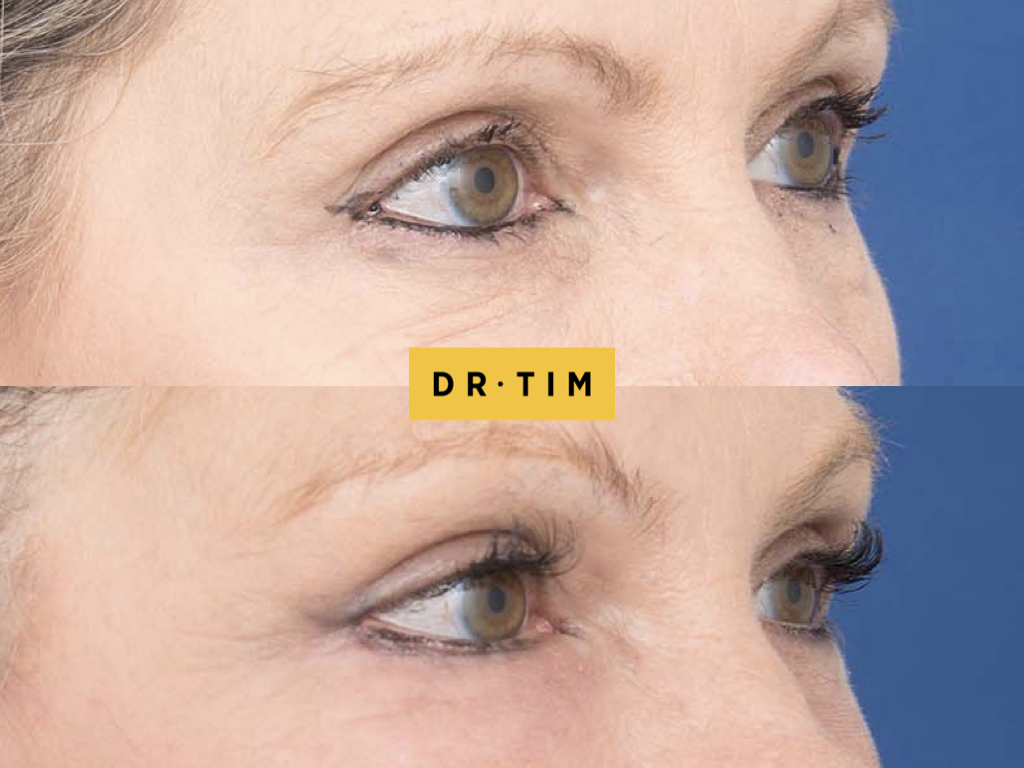
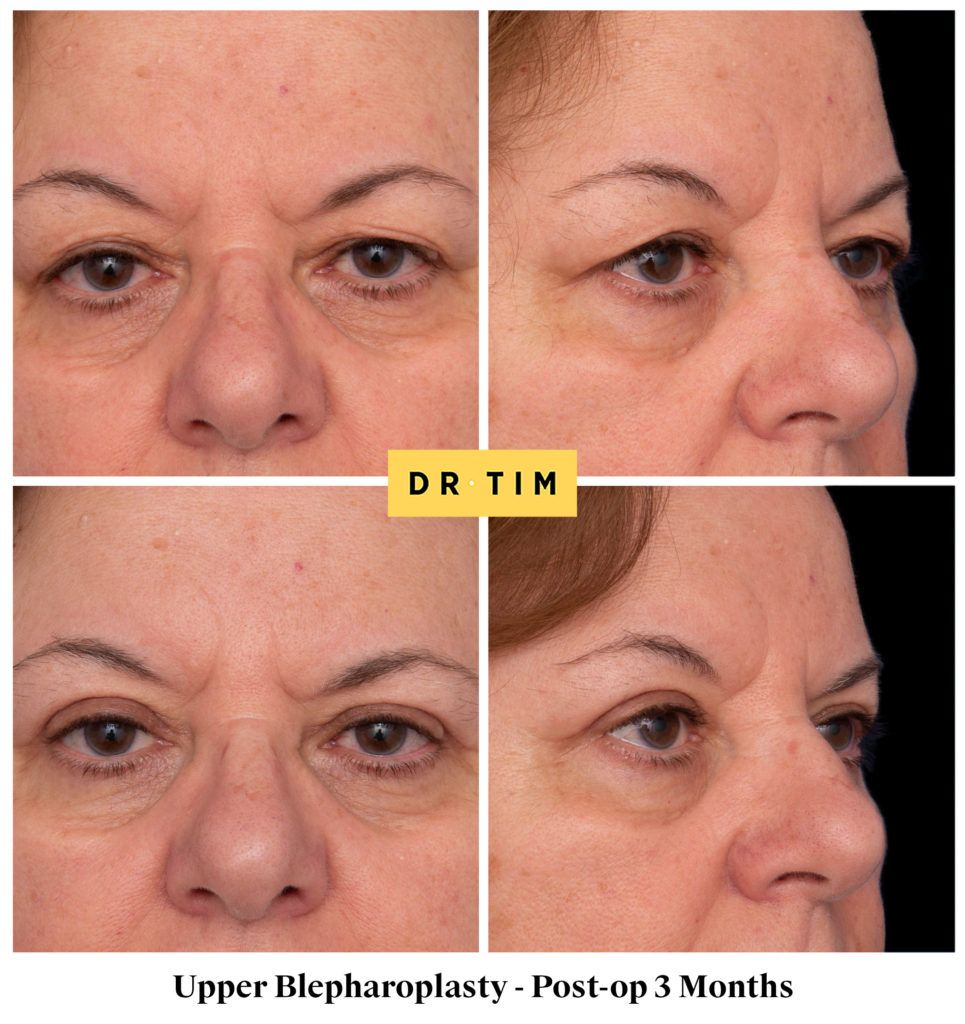
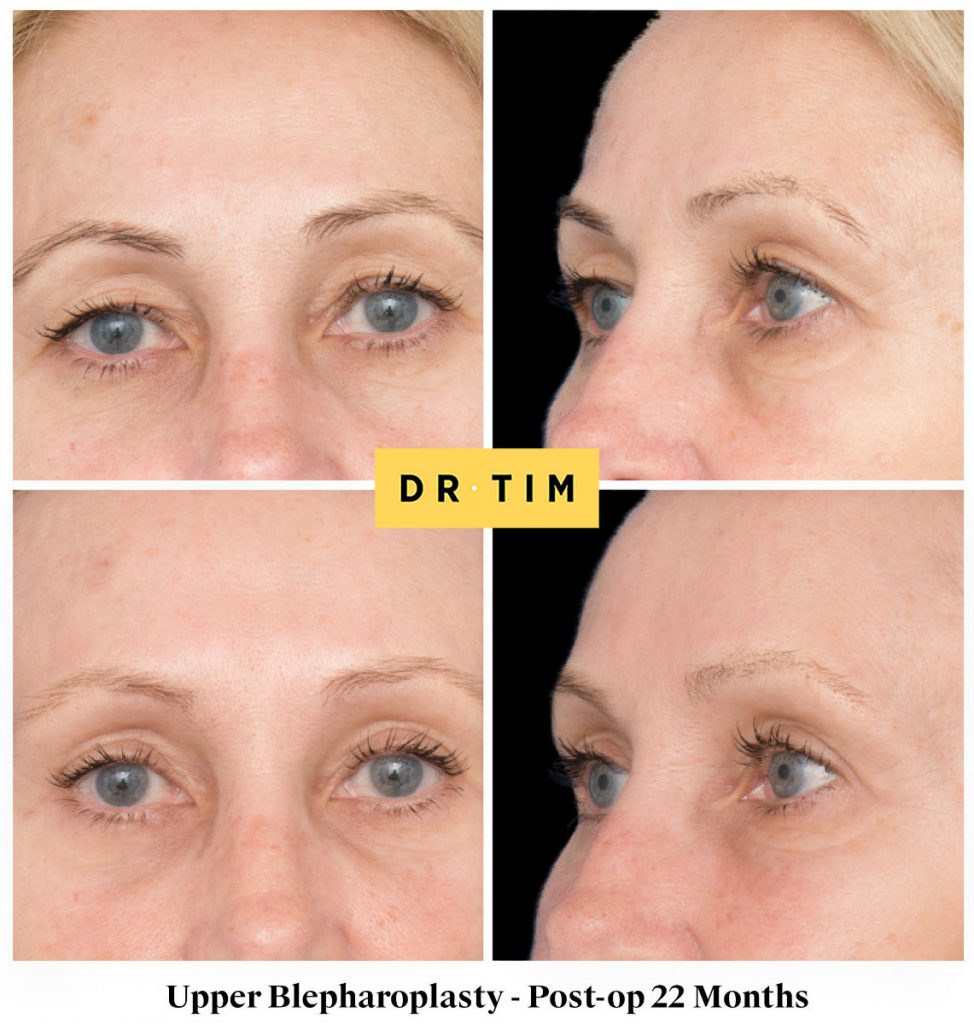
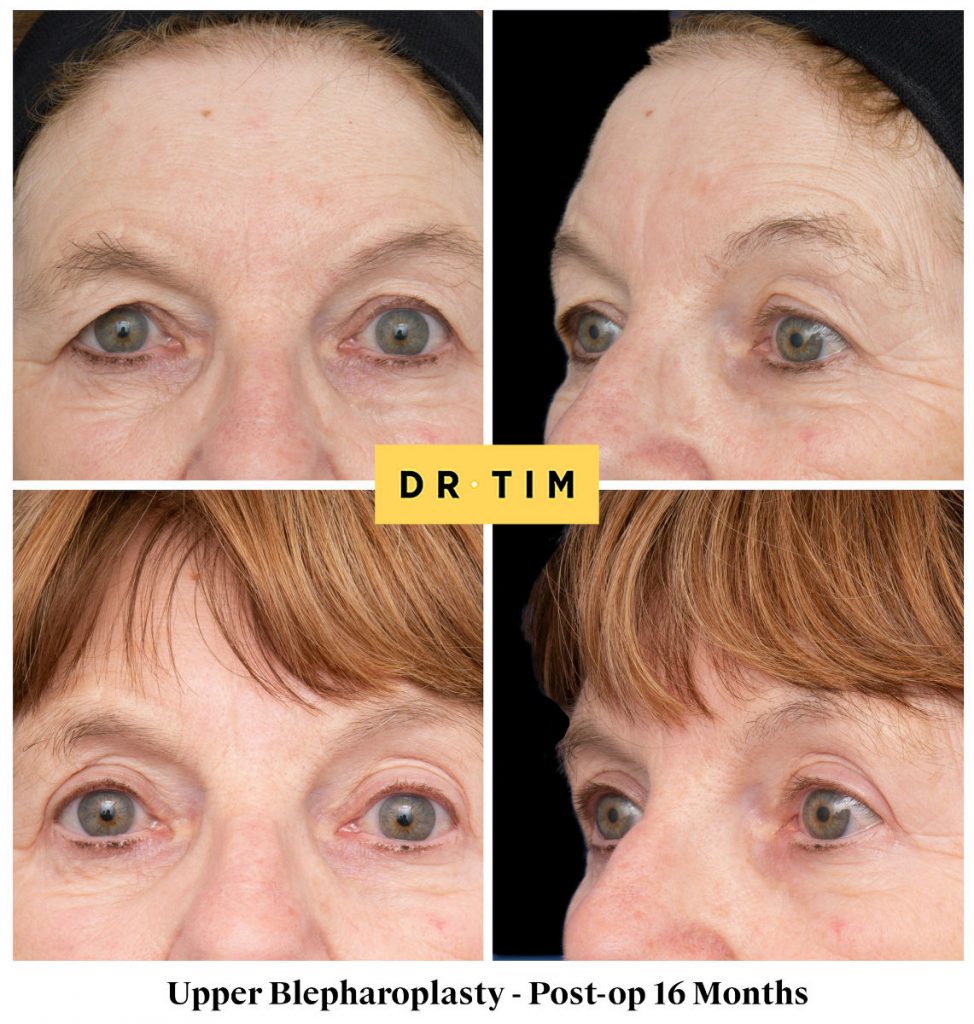
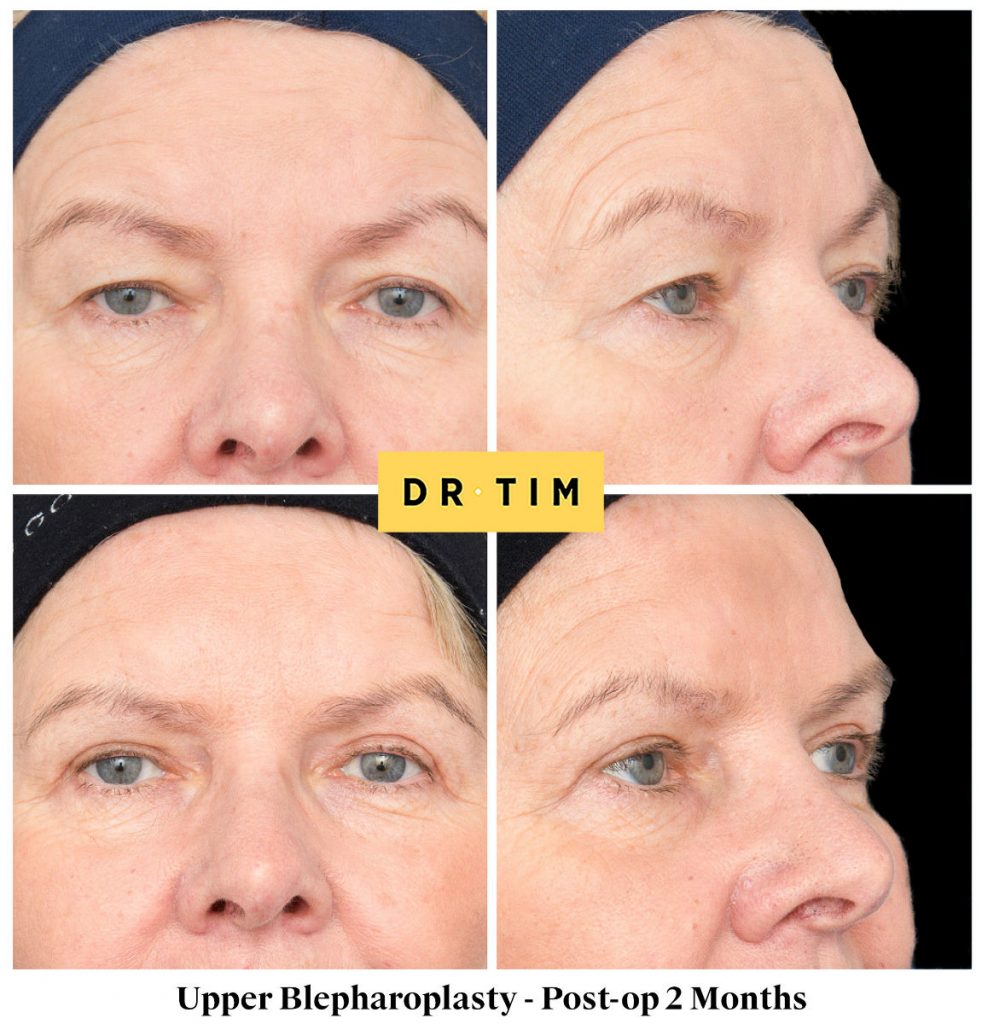
Upper eyelid surgery (upper blepharoplasty) addresses drooping upper eyelid skin and heaviness that may contribute to a “hooded” appearance. In some cases, excess skin can also affect the upper visual field. During surgery, Dr Tim places the incision within the natural upper eyelid crease. This placement helps minimise visible scarring. He then removes or repositions excess skin and fat as required, while preserving natural eyelid shape.
Lower Eyelid Blepharoplasty
Lower eyelid surgery (lower blepharoplasty) targets under-eye bags, puffiness, and laxity of the lower eyelid. Depending on the anatomy, Dr Tim may place the incision just below the lash line or use a transconjunctival technique (within the eyelid). This internal approach avoids an external scar and is effective when the primary concern is lower eyelid fat prominence.
Blepharoplasty may help address:
-
Drooping upper eyelids that may impair vision
-
Excess upper eyelid skin or fat, creating a hooded appearance
-
Puffy under-eye bags, under-eye fullness or hollows
-
Lower eyelid laxity and ageing changes around the eyes
Your suitability for eyelid surgery, and whether it should be combined with other procedures such as a facelift, neck lift, or fat grafting, is assessed during consultation.
Disclaimer:
All surgical procedures carry inherent risks. The information provided here is general in nature and should not be used as a substitute for an in-person consultation with a qualified specialist. Individual outcomes vary based on anatomy, healing, and adherence to post-operative care. A/Prof Tim Papadopoulos will discuss the potential risks, benefits, and realistic expectations during your consultation.
Safety, training and professional standards
A/Prof Tim Papadopoulos is a Specialist Plastic Surgeon (FRACS) and is registered with the Australian Health Practitioner Regulation Agency (AHPRA). He is also a member and Past President of the Australasian Society of Aesthetic Plastic Surgeons (ASAPS).
Patients can also consult the Royal Australasian College of Surgeons (RACS) for information on surgical training and standards.
This content is suitable for an 18+/adult audience only
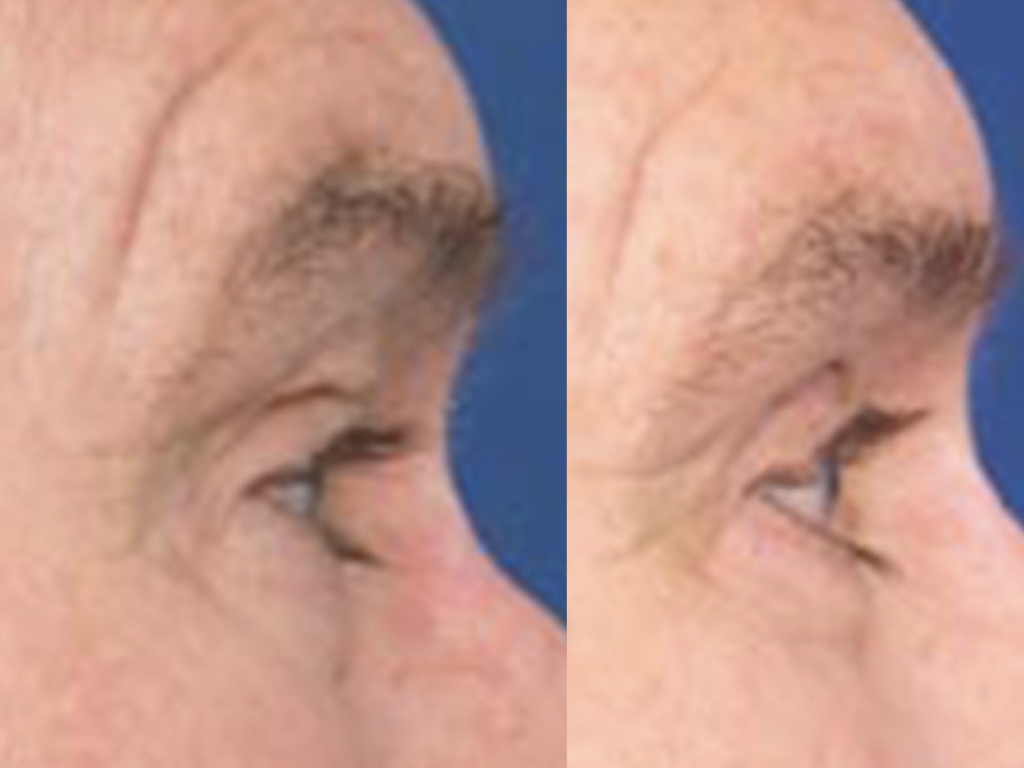
These photos are of consented patients of this clinic/medical practitioner and have not been altered or digitally enhanced.
Outcomes shown are only relevant for this patient and do not necessarily reflect the results other patients may experience, as results may vary due to many factors including the individual’s genetics, diet and exercise.
Click on the images below to enlarge