Technical Explanation of the Procedure
Breast implants Sydney is a term commonly used to describe breast augmentation surgery using medical implants to improve breast volume, shape, and proportion. Many patients seek breast implants to increase breast size, restore volume after pregnancy or weight loss, improve symmetry, or enhance breast contour in a way that suits their body frame and lifestyle.
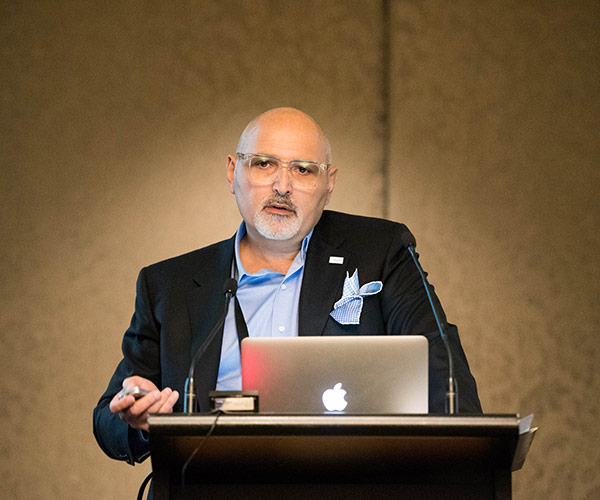
A/Prof Tim Papadopoulos (FRACS) performs breast implants in Sydney with a focus on safety, anatomical planning, and natural-looking proportion. During consultation, Dr Tim assesses chest anatomy, breast base width, skin quality, tissue support, and patient goals. He then discusses implant options, implant placement, scarring, recovery, risks, and realistic outcomes as part of informed consent. Importantly, results vary between individuals.
What Breast Implant Surgery Can Address
Breast implant surgery may help improve:
-
breast volume and fullness
-
breast shape and upper pole contour
-
breast symmetry (selected patients)
-
proportion between bust, waist and hips
-
volume loss after pregnancy or weight changes
However, breast implants are not “one size fits all.” For this reason, implant selection should be tailored to the patient’s anatomy and long-term tissue support.
Types of Breast Implants
Breast implants are commonly categorised by their filler material and shell characteristics. During consultation, Dr Tim discusses options that match your body shape and desired result.
Silicone breast implants
Silicone implants contain cohesive silicone gel designed to feel more similar to natural breast tissue. For this reason, many patients choose silicone implants to achieve a natural look and feel.
Saline breast implants
Saline implants are filled with sterile saline solution. In some cases, surgeons may use them as an alternative implant option depending on clinical circumstances.
Implant Placement Options (Where the Implant Sits)
Dr Tim tailors implant position to the patient’s tissue thickness, lifestyle, and goals. Placement options may include:
Subglandular (above the muscle)
The implant sits behind the breast tissue and in front of the chest muscle. This may be suitable for selected patients with sufficient natural tissue coverage.
Subfascial (beneath the fascia)
Subfascial placement positions the implant under the fascia covering the pectoralis muscle. In selected patients, this can provide improved coverage while reducing animation effects.
Submuscular / dual-plane (beneath the muscle)
The implant sits beneath the pectoralis muscle. This approach can improve implant coverage and may be suitable for patients with limited natural breast tissue.
Incision Options (Scar Placement)
Dr Tim discusses incision placement during consultation and tailors it to anatomy, implant type, and breast shape.
Common incision locations include:
-
inframammary fold (beneath the breast)
-
periareolar (around the edge of the areola, selected cases)
-
transaxillary (in the armpit, selected cases)
Scarring is expected with any surgery. However, careful planning can help place scars discreetly and improve scar quality over time.
Breast Implant Sizing and Planning
Breast implant selection depends on:
-
base width of the breast
-
chest wall shape
-
tissue stretch and skin elasticity
-
nipple position and breast fold alignment
-
lifestyle (sport, gym, training)
-
long-term breast support goals
For this reason, Dr Tim uses a proportion-based approach rather than “cup-size shopping”. The goal is a result that looks balanced and remains stable as the body ages.
Breast Implants vs Fat Transfer
Some patients compare implants to fat transfer.
-
Breast implants can create a larger volume change with a predictable shape.
-
Fat transfer can provide a subtle enhancement using the patient’s own fat.
For patients seeking a natural alternative without implants, Dr Tim may discuss fat transfer breast augmentation as a separate option.
Breast Implants and Combination Surgery
In selected patients, breast implants may be combined with other breast surgery procedures.
Breast lift and implants (augmentation mastopexy)
Some patients have skin that stretches and sags (ptosis). In those cases, implants alone may not correct breast position. Therefore, Dr Tim may discuss combining a lift with implants—see breast lift and implant.
Breast asymmetry correction
If breasts differ in size, fold level, shape, or nipple position, Dr Tim may tailor an asymmetry plan — see breast asymmetry correction.
Implant Safety, Long-Term Considerations and Revision Surgery
Breast implants are medical devices. As with any implant, long-term monitoring is important. Over time, some patients may require additional surgery due to:
-
shape change
-
implant malposition
-
preference change (size or style)
For this reason, Dr Tim discusses the potential need for future revision surgery during the consultation.
Implant-Related Conditions Patients Ask About
Patients often research implant safety topics before surgery. Dr Tim supports informed decision-making and can discuss current evidence and individual risk context.
Relevant pages include:
-
bia-alcl sydney
Recovery After Breast Implant Surgery (General Guide)
Recovery varies between individuals. However, common early features include:
-
swelling and tightness
-
temporary discomfort
-
activity restrictions
-
support garment use
-
staged return to gym/training
Dr Tim provides detailed aftercare instructions, follow-up planning, and scar care guidance.
Tailored Planning and Expected Outcomes
Breast implant outcomes depend on many factors, including anatomy, tissue quality, healing response, implant selection, and surgical technique. For this reason, Dr Tim discusses expected outcomes and limitations during consultation to support realistic planning.
Suitability for breast implants in Sydney is confirmed during consultation.
Disclaimer:
All surgical procedures carry inherent risks. The information provided here is general in nature and should not be used as a substitute for an in-person consultation with a qualified specialist. Individual outcomes vary based on anatomy, healing, and adherence to post-operative care. A/Prof Tim Papadopoulos will discuss the potential risks, benefits, and realistic expectations during your consultation.
Safety, training and professional standards
A/Prof Tim Papadopoulos is a Specialist Plastic Surgeon (FRACS) and is registered with the Australian Health Practitioner Regulation Agency (AHPRA). He is also a member and Past President of the Australasian Society of Aesthetic Plastic Surgeons (ASAPS).
Patients can also consult the Royal Australasian College of Surgeons (RACS) for information on surgical training and standards.