Technical Explanation of the Procedure
Breast reshaping after weight loss in Sydney refers to surgery that restores breast contour, projection, and position after significant weight loss. Many patients lose weight using Ozempic or Wegovy. Others lose weight after bariatric surgery or long-term lifestyle change. However, when body fat reduces significantly, breast volume often decreases too. As a result, the breasts may appear deflated, lower, or less supported.
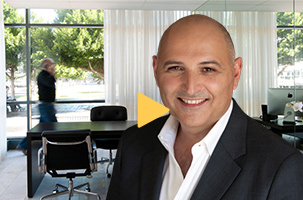
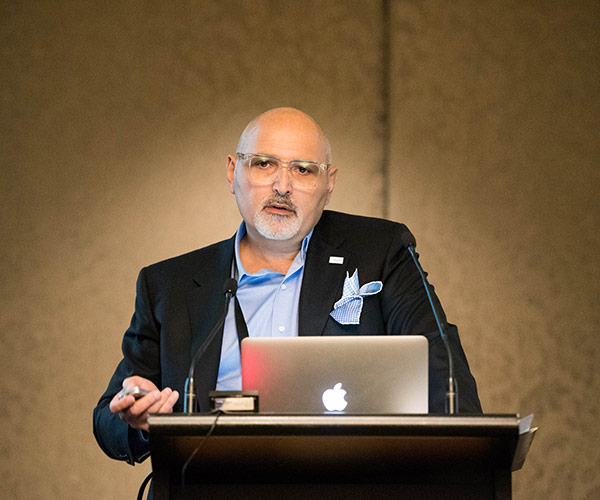
A/Prof Tim Papadopoulos (FRACS) offers breast reshaping after weight loss in Sydney using tailored surgical planning. Dr Tim assesses breast volume, skin quality, nipple position, and chest proportions. He then discusses the most suitable technique, scars, recovery, and realistic outcomes as part of informed consent. Importantly, results vary between individuals.
Why Breast Shape Changes After Weight Loss
Weight loss can improve health. However, it can change the breast structure.
This happens because the breasts contain:
-
glandular tissue
-
fatty tissue
-
skin envelope support
After major weight loss, the fat reduces. Meanwhile, the skin may not retract fully. Therefore, patients often notice:
-
loss of breast volume
-
flattened upper pole
-
breast droop (ptosis)
-
stretched areolae
-
asymmetry
-
skin laxity and softness
What Breast Reshaping After Weight Loss Can Improve
Breast reshaping surgery may help improve:
-
breast droop and low nipple position
-
volume loss and deflation
-
stretched or enlarged areolae
-
breast asymmetry (selected patients)
-
reduced upper breast fullness
-
breast-to-chest proportion
However, surgery cannot “return” breast tissue that has been lost. Instead, it restores shape through lifting, reshaping and volume strategies.
Breast Reshaping Options After Weight Loss
Dr Tim selects options based on anatomy and goals. For that reason, there is no single “best” approach.
1) Breast Lift (Mastopexy)
A breast lift removes excess skin and reshapes breast tissue. It also lifts the nipple to a more youthful position. This option suits patients with:
-
significant sagging
-
low nipple position
-
adequate remaining volume
A breast lift improves shape. However, it does not add volume.
2) Breast Lift with Implant (Augmentation Mastopexy)
After weight loss, many patients want both lift and fullness. In that case, an implant can restore projection and upper pole shape. This procedure may suit patients who want:
-
lift + stronger breast projection
-
improved cleavage shape
-
more volume and structure
Dr Tim discusses implant types, placement options, and long-term considerations during consultation.
3) Breast Lift with Fat Transfer (Selected Patients)
Some patients prefer a more natural method. Fat transfer uses the patient’s own fat to restore modest volume. It may suit patients who:
-
want small-to-moderate volume restoration
-
prefer to avoid implants
-
have enough donor fat for harvesting
However, fat transfer does not create the same projection as an implant. In addition, fat survival varies between individuals.
4) Breast Reduction (Selected Patients)
Some patients still have heavy breasts after weight loss. They may also have discomfort. In that situation, Dr Tim may recommend reduction surgery. This procedure may improve:
-
breast heaviness
-
neck and shoulder discomfort
-
skin irritation under the breast fold
-
sagging and excess skin
Staging vs One-Stage Surgery
Some patients benefit from a staged plan.
For example:
-
Stage 1: lift and reshaping
-
Stage 2: volume refinement if needed
A staged approach can improve safety and planning. It can also reduce the risk of complications in complex cases.
Dr Tim confirms the safest approach during consultation.
Scars and Incision Patterns
Breast reshaping after weight loss requires incisions. However, Dr Tim places scars strategically to support both:
-
breast shaping
-
long-term breast support
Common scar patterns may include:
-
around the areola
-
vertical scar (lollipop)
-
anchor scar (inverted T)
Dr Tim discusses scar placement and aftercare carefully.
Suitability for Breast Reshaping After Weight Loss Sydney
Patients usually suit this surgery when they:
-
maintain a stable weight for several months
-
have realistic expectations about scars
-
do not smoke (or can stop pre-op)
-
have good general health
-
are comfortable with recovery planning
Dr Tim confirms suitability for breast reshaping after weight loss in Sydney during consultation.
Recovery and Key Considerations
Recovery varies depending on the procedure combination. However, most patients can expect:
-
swelling and tightness early on
-
gradual improvement in breast shape over weeks
-
activity restrictions for healing
-
follow-up and scar care planning
Importantly, final outcomes evolve over months.
Disclaimer:
All surgical procedures carry inherent risks. The information provided here is general in nature and should not be used as a substitute for an in-person consultation with a qualified specialist. Individual outcomes vary based on anatomy, healing, and adherence to post-operative care. A/Prof Tim Papadopoulos will discuss the potential risks, benefits, and realistic expectations during your consultation.
Safety, training and professional standards
A/Prof Tim Papadopoulos is a Specialist Plastic Surgeon (FRACS) and is registered with the Australian Health Practitioner Regulation Agency (AHPRA). He is also a member and Past President of the Australasian Society of Aesthetic Plastic Surgeons (ASAPS).
Patients can also consult the Royal Australasian College of Surgeons (RACS) for information on surgical training and standards.