Buccal fat removal in Sydney, also known as buccal fat pad removal, is a facial contouring procedure that reduces fullness in the lower cheeks. Some patients naturally carry more volume through the mid-to-lower cheek region, even at a healthy weight. As a result, the face can appear rounder or less defined.
The buccal fat pad is a specific area of fat that is deep in the cheek. Buccal fat pad removal targets this area. Unlike facial liposuction, which can reduce fat more broadly across the face and neck, buccal fat surgery targets a discrete fat pocket. Therefore, the procedure can refine cheek contour in carefully selected patients.
Importantly, not everyone is a suitable candidate. Dr. Tim assesses facial anatomy, skin quality, and age-related volume changes during a consultation before recommending buccal fat pad removal.
Technical Explanation of the Procedure
Buccal fat pad removal is typically performed under local anaesthesia with sedation or general anaesthesia, depending on the surgical plan and patient preferences.
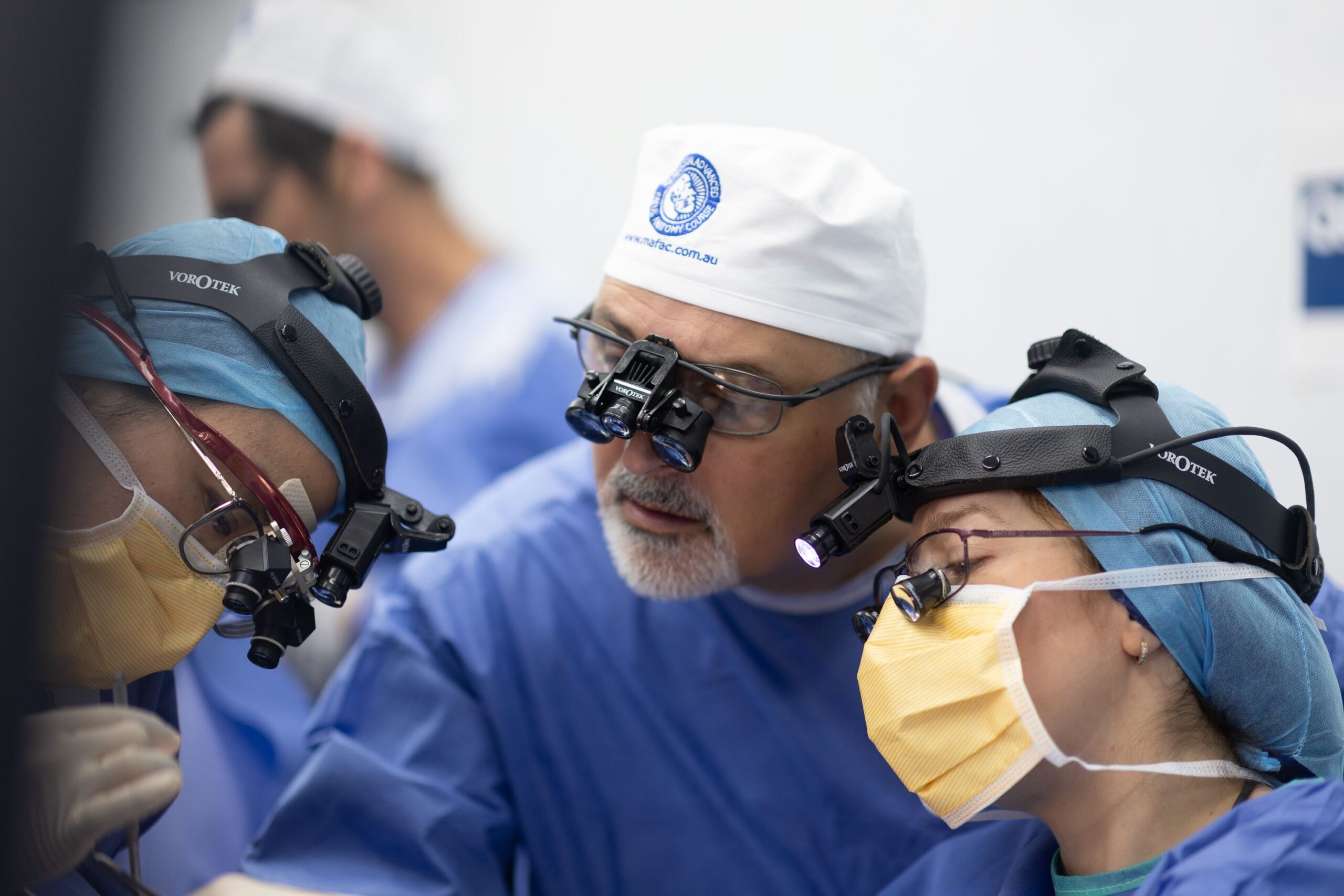
During surgery, A/Prof Tim Papadopoulos (FRACS):
makes a small incision inside the mouth near the upper molars
identifies and carefully releases the buccal fat pad
removes a controlled portion of the fat pad (rather than aggressively removing all fat)
closes the incision using dissolvable sutures
Because the incision is inside the mouth, the procedure typically does not leave visible scars. In addition, Dr Tim uses precise techniques to protect surrounding structures and maintain natural facial proportions.
Tailored Planning and Expected Outcomes
Buccal fat pad removal aims to refine cheek contour while preserving balanced facial shape. However, outcomes vary between individuals. For this reason, Dr. Tim carefully discusses suitability, risks, and realistic expectations during consultation.
Suitability for buccal fat removal in Sydney is confirmed during consultation.
Quick Facts About Buccal Fat Pad Removal
Procedure Time: 30–60 minutes
Anesthesia: Local with sedation or general anesthesia
Incision Site: Inside the mouth
Recovery Time: 1–2 weeks
Final Results: 3–6 months as swelling subsides
Longevity: Permanent results, as fat does not regenerate
What to Expect
The recovery for buccal fat pad removal is typically straightforward. Here’s what you can expect:
First 48 Hours: Mild swelling and discomfort, managed with prescribed medications.
First Week: Avoid strenuous activities, maintain a soft or liquid diet, and practice good oral hygiene to prevent infection.
2 Weeks Post-Op: Most patients return to normal activities, with swelling continuing to decrease.
3–6 Months Post-Op: Final results become visible as the facial contours settle into their new shape.
1. Who is an ideal candidate for buccal fat pad removal?
Ideal candidates are individuals with prominent lower cheek fullness seeking a slimmer and more contoured facial appearance. Patients should be in good general health, non-smokers, and have realistic expectations about the results.
2. Will the results look natural?
Yes, the goal of buccal fat pad removal is to enhance natural facial contours. An experienced surgeon ensures results are harmonious with the patient’s unique facial anatomy.
3. Can buccal fat pads grow back?
No, once the fat pads are removed, they do not regenerate. However, significant weight gain can lead to overall facial fullness.
4. Is the procedure painful?
Most patients report mild discomfort, which is easily managed with prescribed pain medication. The incisions inside the mouth minimise post-operative pain.
5. Are there any visible scars?
No, the procedure is performed through incisions inside the mouth, leaving no visible scars.
6. How long does swelling last?
Swelling peaks in the first few days and gradually subsides over several weeks. Final results are visible within 3–6 months.
7. Can the procedure be combined with other surgeries?
Yes, buccal fat pad removal is often combined with procedures like chin liposuction or a facelift for comprehensive facial contouring.
8. What is the cost of the procedure?
The cost varies depending on factors like the surgeon’s expertise and the complexity of the case. A consultation will provide a personalised quote.
9. Are there non-surgical alternatives?
While some non-surgical options like dermal fillers can enhance contours, they cannot reduce buccal fat. Buccal fat pad removal is the only permanent solution for this concern.
10. How do I choose the right surgeon?
Look for a specialist plastic surgeon with extensive experience in facial contouring procedures. Review their portfolio of before-and-after photos and discuss your goals during the consultation.
Potential Risks and Complications
As with any surgical procedure, buccal fat pad removal carries certain risks, including:
Infection
Bleeding or hematoma
Nerve injury
Asymmetry or irregular contours
Prolonged swelling or delayed healing
Tips for Optimal Recovery
Use an antiseptic mouthwash as directed by your surgeon.
Avoid smoking and alcohol to promote healing.
Follow all post-operative care instructions carefully.
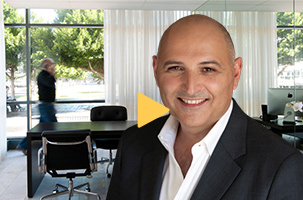
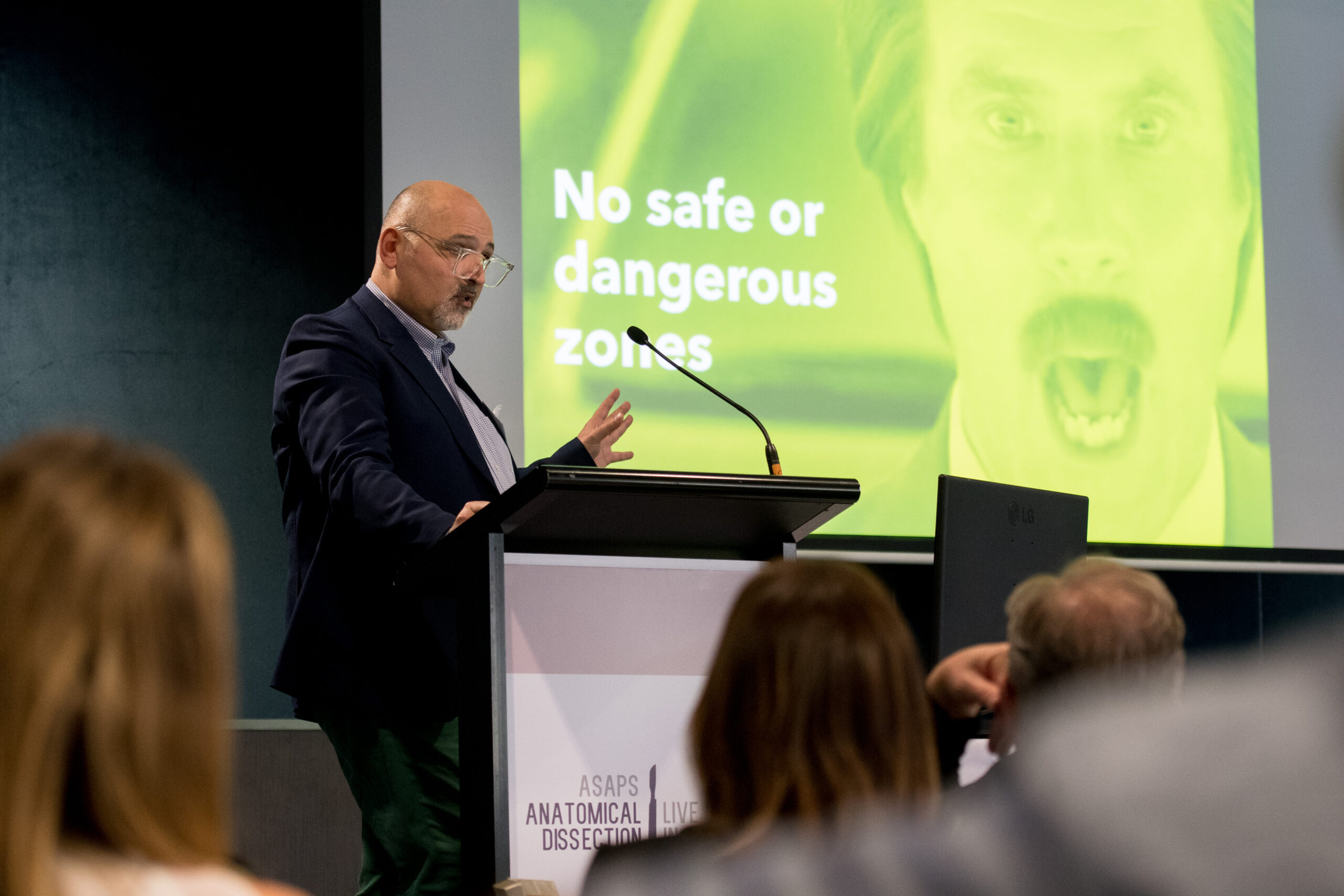
Dr Tim is a certified cosmetic and plastic surgeon, past president of the Australasian Society of Aesthetic Plastic Surgery (ASAPS), a member of the Australian Society of Plastic Surgeons (ASPS) and a Fellow of the Royal Australasian College of Surgeons (FRACS). Tim is also an International member of the American Society of Plastic Surgeons. Dr Tim is a member and Board Director of the International Society of Aesthetic Plastic Surgery and an international active member of the American Society of Aesthetic Plastic Surgery.
He has undertaken 8-12 years of specialist training beyond his basic medical degree to become a Fellow of the Royal Australasian College of Surgeons (FRACS) which is the only institution accredited to train surgeons in Australia and New Zealand. He is the current Head of the Department of Plastic & Reconstructive Surgery at Westmead Private Hospital.
As a Sydney plastic surgeon Dr Tim focuses on cosmetic surgery of the face, breast and body.
Dr Tim is a certified cosmetic and plastic surgeon, past president of the Australasian Society of Aesthetic Plastic Surgery (ASAPS), a member of the Australian Society of Plastic Surgeons (ASPS) and a Fellow of the Royal Australasian College of Surgeons (FRACS). Tim is also an International member of the American Society of Plastic Surgeons. Dr Tim is a member and Board Director of the International Society of Aesthetic Plastic Surgery and an international active member of the American Society of Aesthetic Plastic Surgery.
He has undertaken 8-12 years of specialist training beyond his basic medical degree to become a Fellow of the Royal Australasian College of Surgeons (FRACS) which is the only institution accredited to train surgeons in Australia and New Zealand. He is the current Head of the Department of Plastic & Reconstructive Surgery at Westmead Private Hospital.
As a Sydney plastic surgeon Dr Tim focuses on cosmetic surgery of the face, breast and body.
Dr. Tim is a highly experienced specialist plastic surgeon known for his commitment to patient safety, advanced surgical techniques, and meticulous care. He prioritizes evidence-based procedures to deliver natural-looking, long-lasting results.
Precision
With an exceptional eye for detail and surgical expertise, Dr. Tim ensures every procedure—whether facelift, body contouring, or breast augmentation—is performed with precision, artistry, and the latest medical advancements.
Your Wellbeing & Comfort
Dr. Tim takes a patient-centered approach, guiding you from consultation to post-operative care. He provides personalised surgical plans to help you make informed decisions, ensuring your safety, comfort, and satisfaction throughout your cosmetic surgery journey.
Professional Integrity
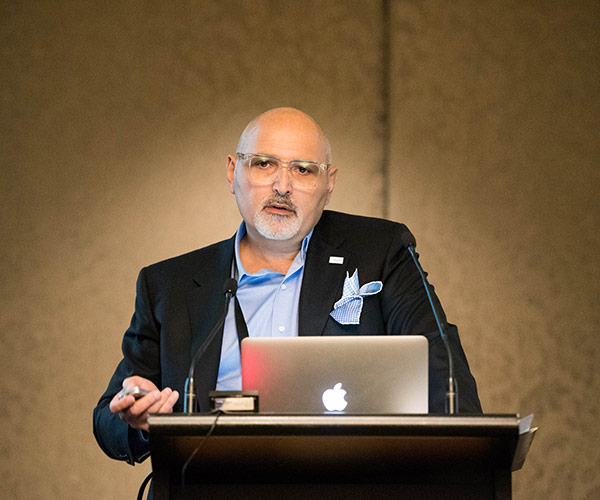
As a specialist plastic surgeon, Dr. Tim is dedicated to excellence in aesthetic surgery. His contributions to medical education, training future surgeons, and speaking at global conferences reinforce his reputation as a leader in the field of cosmetic surgery.
Have Questions About Cosmetic Surgery?
Understanding your options is important. Our team is available to provide factual information about procedures and answer any concerns you may have. Book a consultation to receive professional advice tailored to your needs.