Technical Explanation of the Condition and Treatment Options
Capsular contracture treatment in Sydney refers to medical assessment and, where appropriate, surgical management of firm scar tissue that can develop around a breast implant. After breast augmentation or implant-based breast surgery, the body naturally forms a thin capsule around the implant. However, in some patients, this capsule tightens and thickens over time. As a result, the breast may feel firm, look distorted, or become uncomfortable.
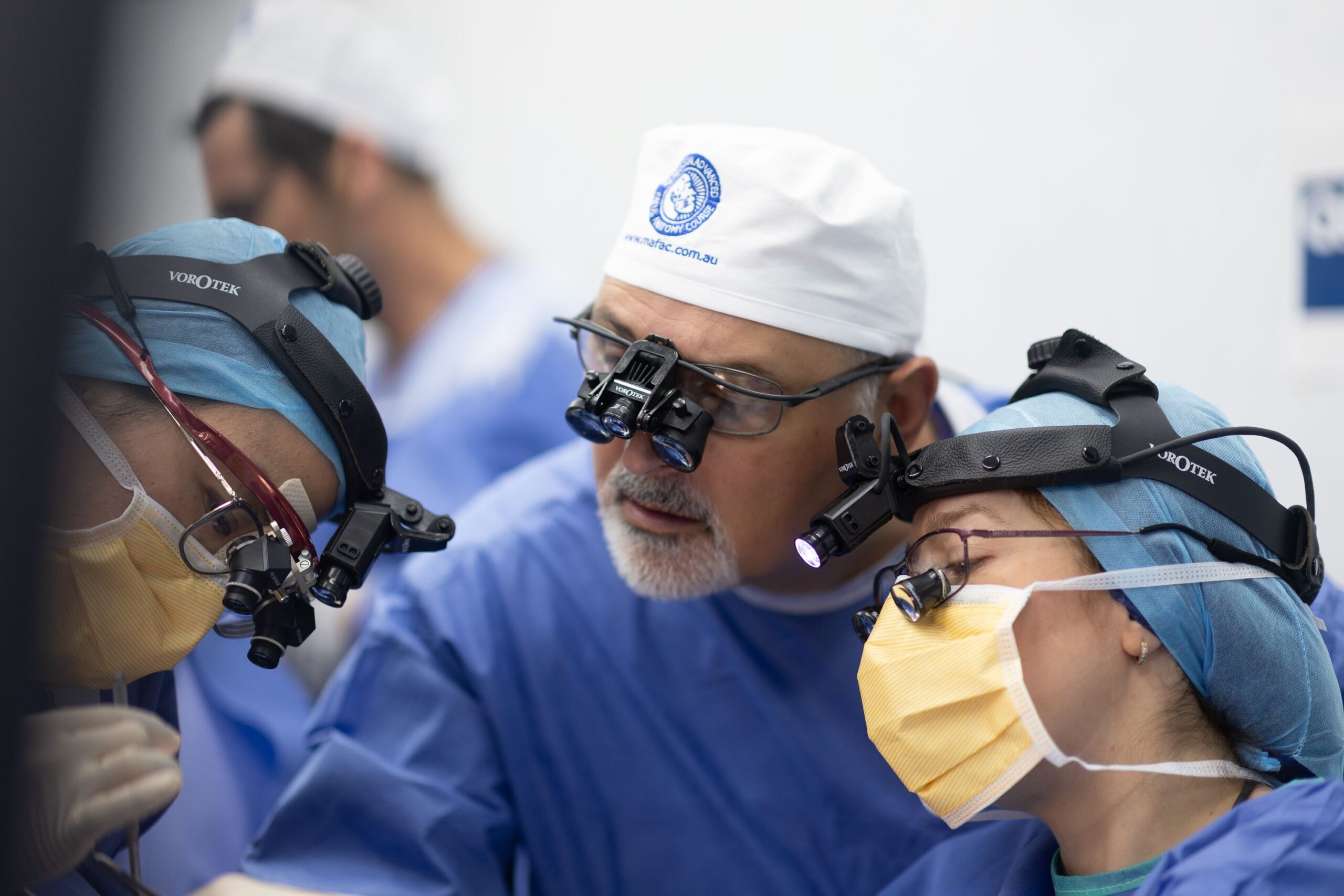
A/Prof Tim Papadopoulos (FRACS) assesses capsular contracture carefully and tailors management based on implant history, breast anatomy, capsule severity, and your treatment goals. During consultation, Dr Tim discusses diagnosis, surgical options, risks, recovery, and realistic expectations as part of informed consent. Importantly, outcomes vary between individuals.
What Is Capsular Contracture?
Capsular contracture occurs when the normal capsule around the implant becomes excessively tight or thickened. Consequently, it can:
-
change breast shape or position
-
increase firmness
-
create visible distortion
-
cause discomfort or pain (in some cases)
Although capsular contracture can occur at any time, it often develops months to years after surgery.
Common Signs of Capsular Contracture
Capsular contracture may present with:
-
a breast that feels firm or “hard”
-
a higher-riding implant
-
visible implant distortion
-
round or unnatural breast shape
-
pain, tightness, or tenderness (selected patients)
-
increasing asymmetry over time
If you notice new firmness or distortion, Dr Tim recommends assessment, and imaging may be appropriate in some cases.
How Capsular Contracture Is Graded (Baker Classification)
During your consultation, Dr Tim may discuss the Baker grades:
-
Grade I: breast feels soft and looks natural
-
Grade II: breast feels slightly firm but looks normal
-
Grade III: breast feels firm and looks distorted
-
Grade IV: breast feels hard, looks distorted, and may be painful
In general, Grade III and IV contractures more often require surgical management.
What Causes Capsular Contracture?
Capsular contracture does not have a single cause. Instead, it likely occurs due to several contributing factors, which may include:
-
low-grade bacterial contamination (biofilm)
-
bleeding or haematoma
-
inflammation or seroma
-
implant rupture (in some cases)
-
implant position, incision type, or implant surface (patient-specific factors)
-
individual healing response and scar biology
Because the cause may be multifactorial, treatment planning must be individualised.
Capsular Contracture Treatment Options in Sydney
Capsular contracture treatment depends on severity and symptoms. Dr Tim discusses non-surgical strategies when appropriate; surgery remains the main evidence-based treatment for established, significant contracture.
1) Observation and Monitoring (Selected Patients)
For mild capsular contracture with minimal symptoms, Dr Tim may recommend:
-
monitoring over time
-
supportive bras and conservative measures
-
investigation if there is concern for implant rupture or other issues
However, once the capsule tightens significantly, conservative options have limited effectiveness.
2) Capsulectomy (Removal of the Capsule)
A capsulectomy involves removing scar tissue around the implant. Depending on the case, Dr Tim may perform:
-
partial capsulectomy (removing part of the capsule), or
-
total capsulectomy (removing the entire capsule)
Dr Tim selects the safest technique based on anatomy, implant position, tissue quality, and surgical risk.
3) Implant Exchange (Revision Surgery)
In many cases, Dr Tim combines capsule surgery with implant exchange, which may involve:
-
changing implant size, profile, or type
-
adjusting implant pocket location
-
changing implant position (e.g., subglandular to submuscular/subfascial depending on anatomy)
This approach aims to improve breast aesthetics and reduce recurrence risk.
4) Pocket Change / Implant Repositioning
If implant malposition contributes to the problem (or results from the contracture), Dr Tim may recommend:
-
pocket adjustment
-
internal repair techniques
-
reinforcement strategies (selected patients)
This is often relevant in patients with bottoming out, lateral displacement, or asymmetry.
5) Breast Lift (Mastopexy) With Revision (Selected Patients)
If capsular contracture occurs alongside skin stretch, droop, or tissue laxity, Dr Tim may discuss combining revision with a breast lift to improve:
-
shape
-
position
-
nipple symmetry
-
long-term balance
What Is the Goal of Capsular Contracture Treatment?
Capsular contracture treatment aims to:
-
soften the breast
-
restore natural contour and symmetry
-
relieve tightness or discomfort (when present)
-
improve implant position and overall shape
-
reduce recurrence risk (although recurrence can still occur)
Because scar biology varies significantly, no treatment can guarantee that capsular contracture will not recur, and Dr Tim discusses this candidly during consultation.
Recovery After Capsular Contracture Surgery
Recovery depends on the extent of revision surgery performed. In general:
-
swelling and bruising are expected early
-
you may require a support garment or surgical bra
-
physical activity restrictions apply
-
follow-up is important, particularly in revision surgery cases
Dr Tim provides detailed post-operative instructions tailored to your procedure.
Risks and Considerations
All surgery carries risks. In capsular contracture revision surgery, risks may include:
-
bleeding or infection
-
scarring and wound healing issues
-
altered nipple sensation
-
asymmetry
-
implant malposition
-
implant rupture (rare)
-
recurrence of capsular contracture
-
need for further revision surgery
Dr Tim will discuss relevant risks based on your anatomy and surgical history.
Book a Consultation
If you are experiencing firmness, discomfort, or breast implant distortion, a consultation allows Dr Tim to assess the cause and discuss appropriate options. Suitability for capsular contracture treatment in Sydney is confirmed during consultation.
Disclaimer:
All surgical procedures carry inherent risks. The information provided here is general in nature and should not be used as a substitute for an in-person consultation with a qualified specialist. Individual outcomes vary based on anatomy, healing, and adherence to post-operative care. A/Prof Tim Papadopoulos will discuss the potential risks, benefits, and realistic expectations during your consultation.
Safety, training and professional standards
A/Prof Tim Papadopoulos is a Specialist Plastic Surgeon (FRACS) and is registered with the Australian Health Practitioner Regulation Agency (AHPRA). He is also a member and Past President of the Australasian Society of Aesthetic Plastic Surgeons (ASAPS).
Patients can also consult the Royal Australasian College of Surgeons (RACS) for information on surgical training and standards.