CoolSculpting in Sydney
Technical Explanation of the Procedure
CoolSculpting in Sydney, also known as cryolipolysis, is a non-surgical body-contouring treatment that uses controlled cooling to reduce localised fat deposits. Many patients maintain a healthy lifestyle yet still notice stubborn fat in certain areas. For suitable candidates, CoolSculpting may help reduce fat thickness and improve contour without surgery.
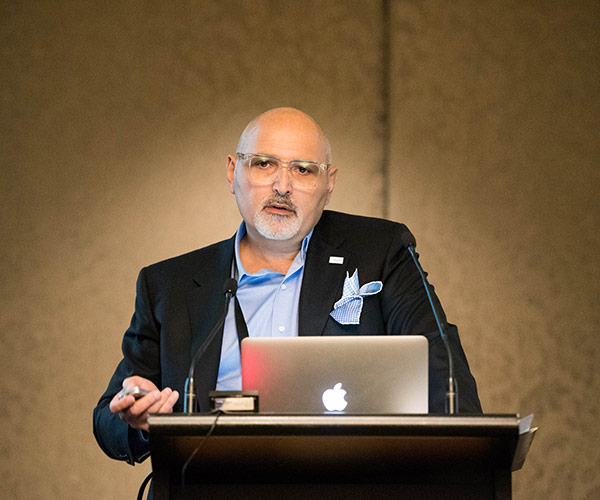
A/Prof Tim Papadopoulos (FRACS) provides comprehensive aesthetic treatment planning for patients. In selected cases, non-surgical fat-reduction treatments may be part of a broader body-contouring strategy. During consultation, suitability, treatment expectations, and alternatives are discussed. Importantly, results vary between individuals.
What CoolSculpting Can Treat
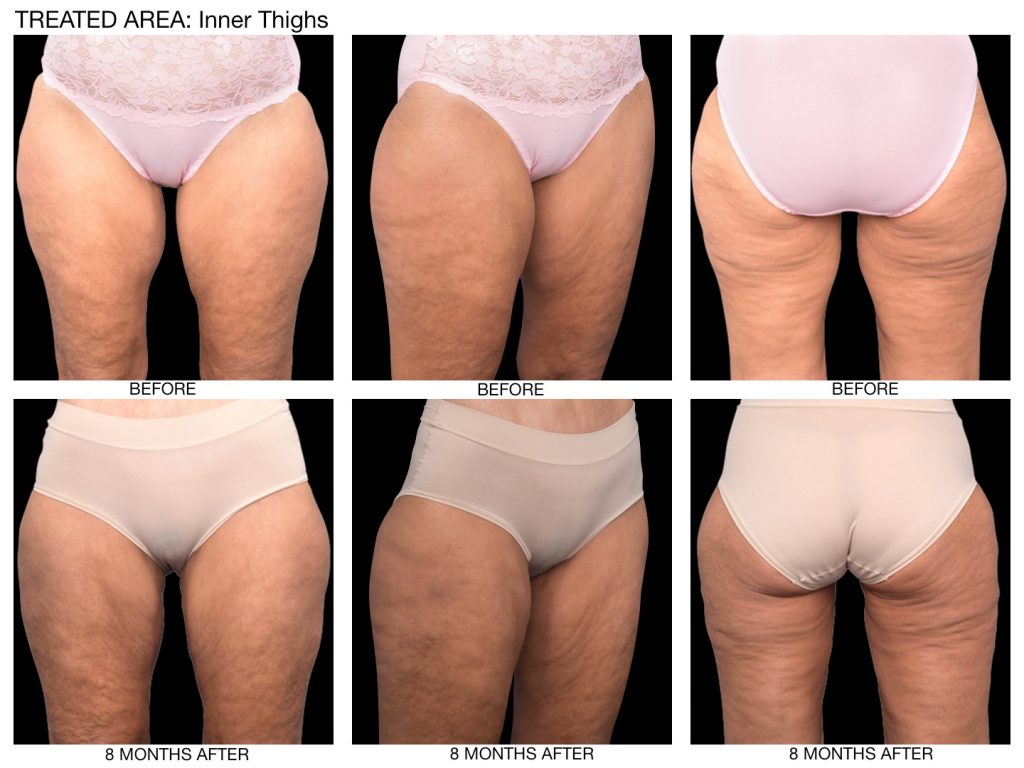
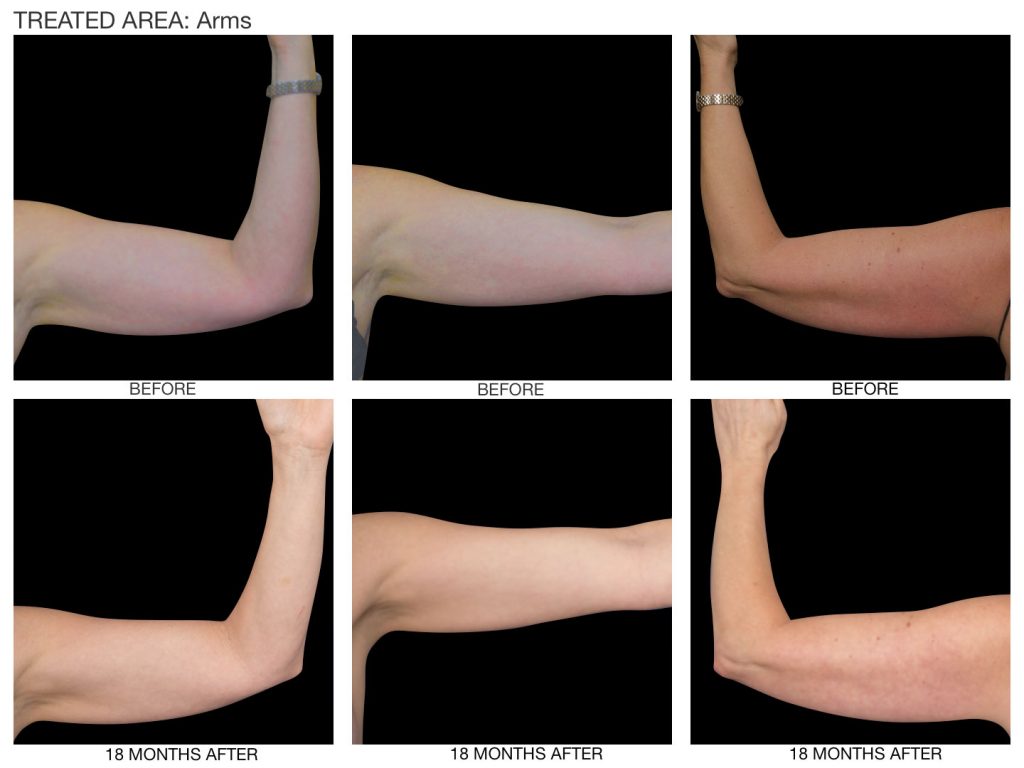
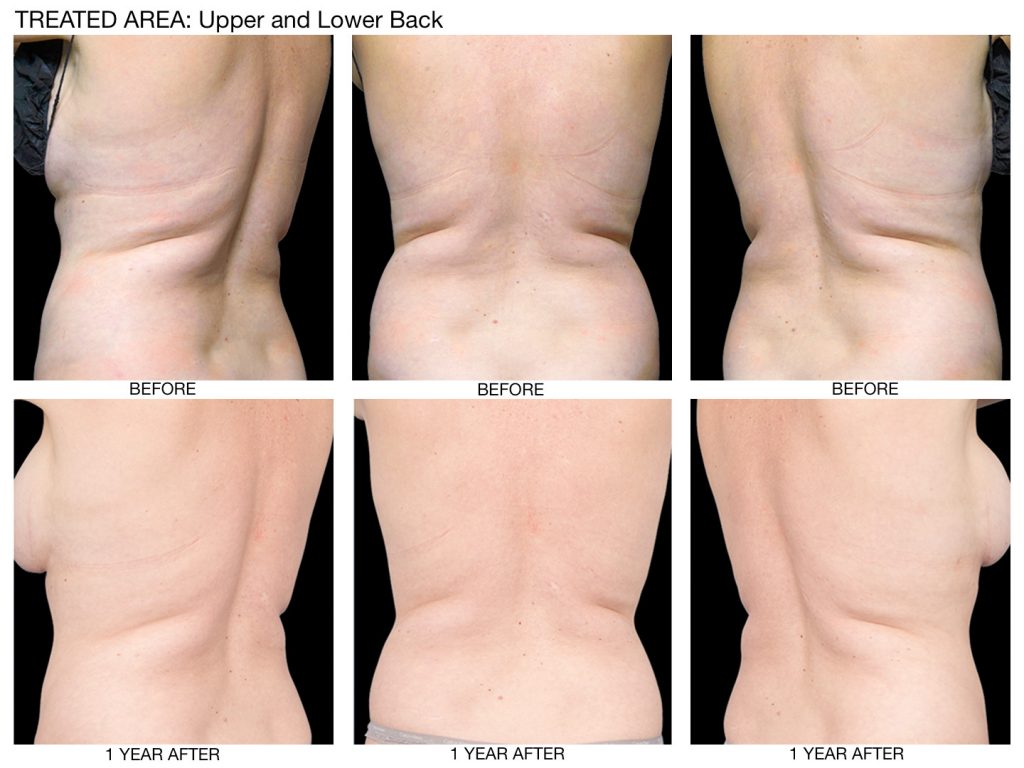
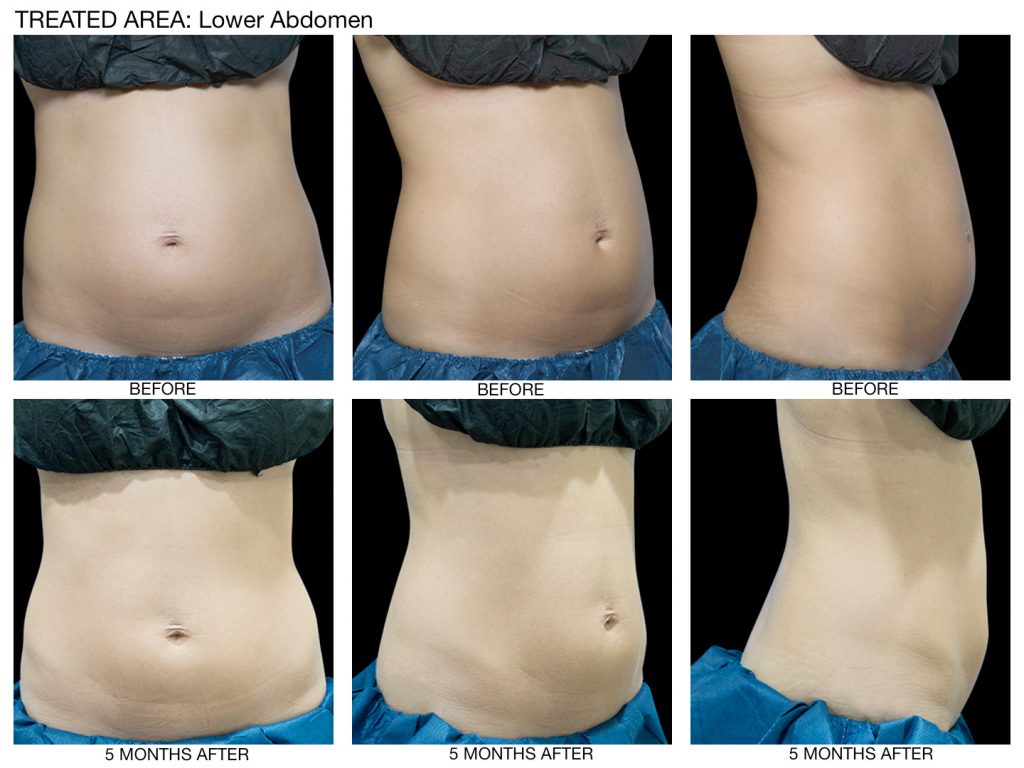
CoolSculpting may be considered for localised fat deposits in areas such as:
-
abdomen
-
flanks (“love handles”)
-
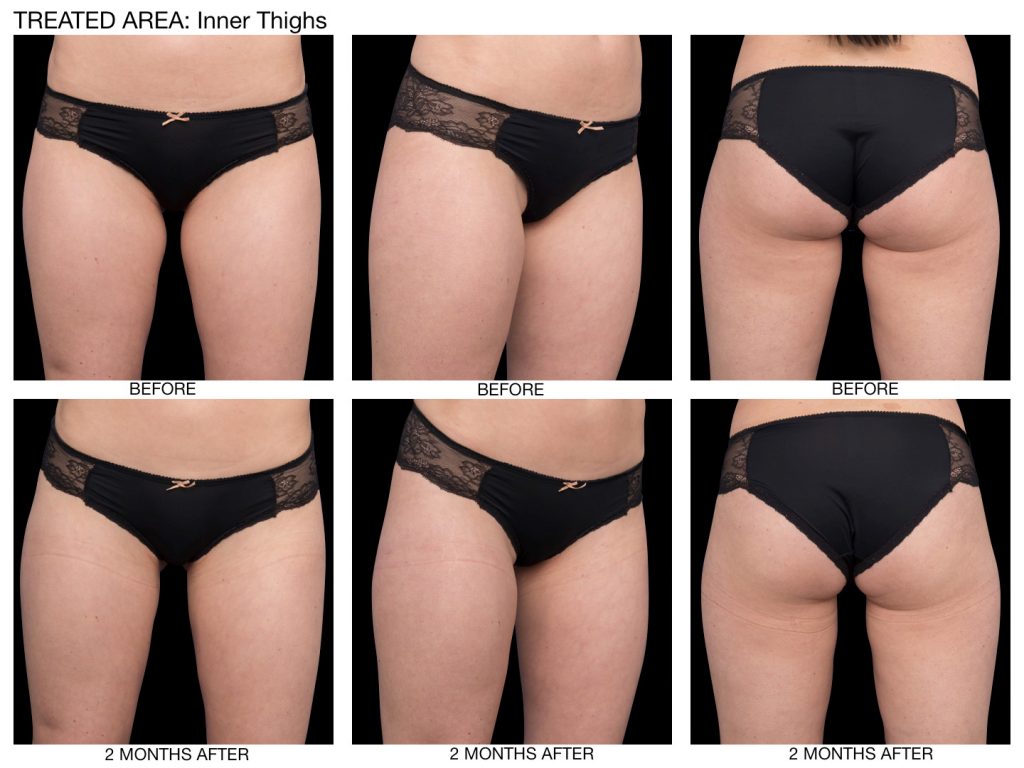
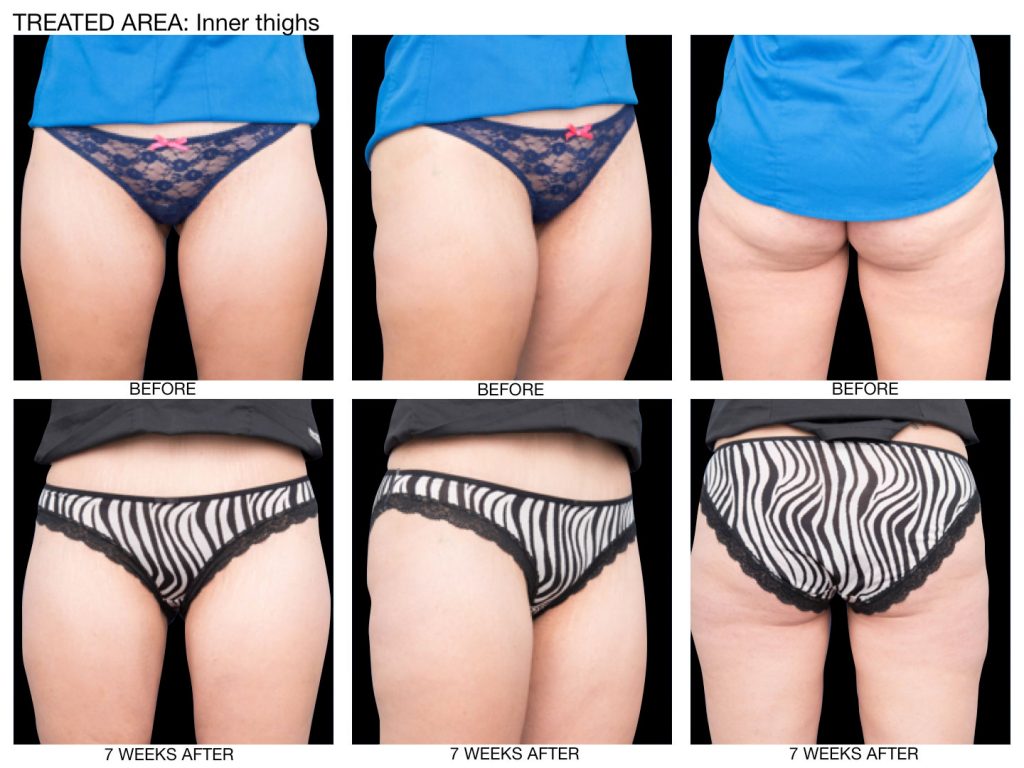
thighs
-
under-chin fullness (selected patients)
-
upper arms (selected patients)
-
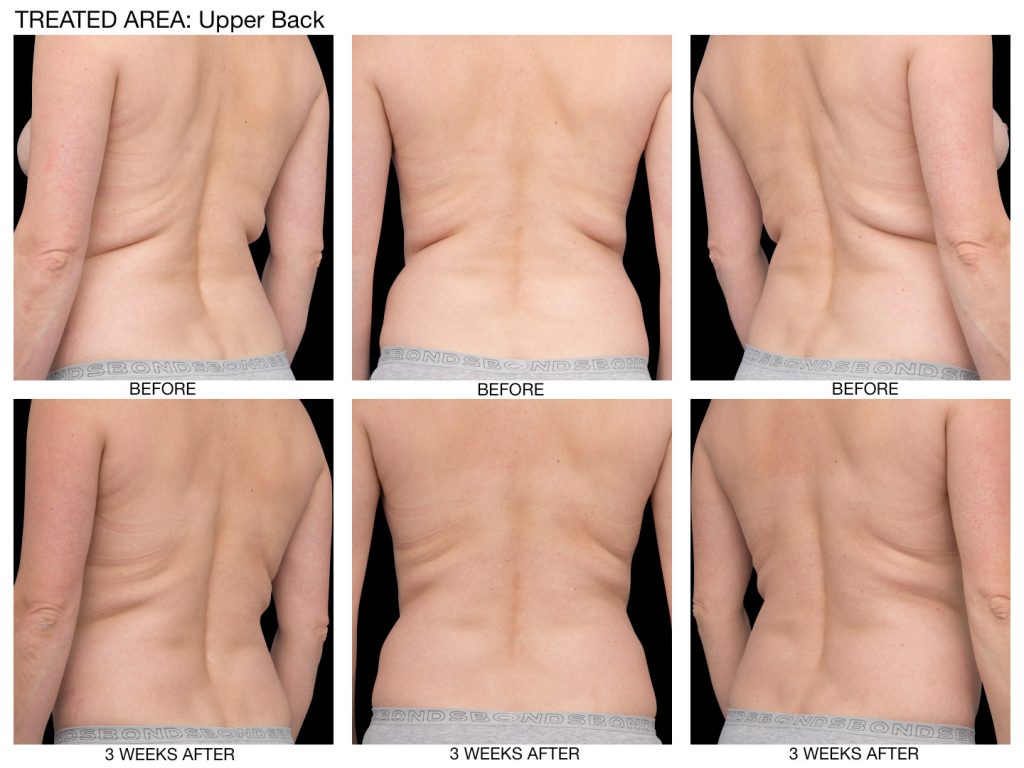
back / bra line area (selected patients)
-
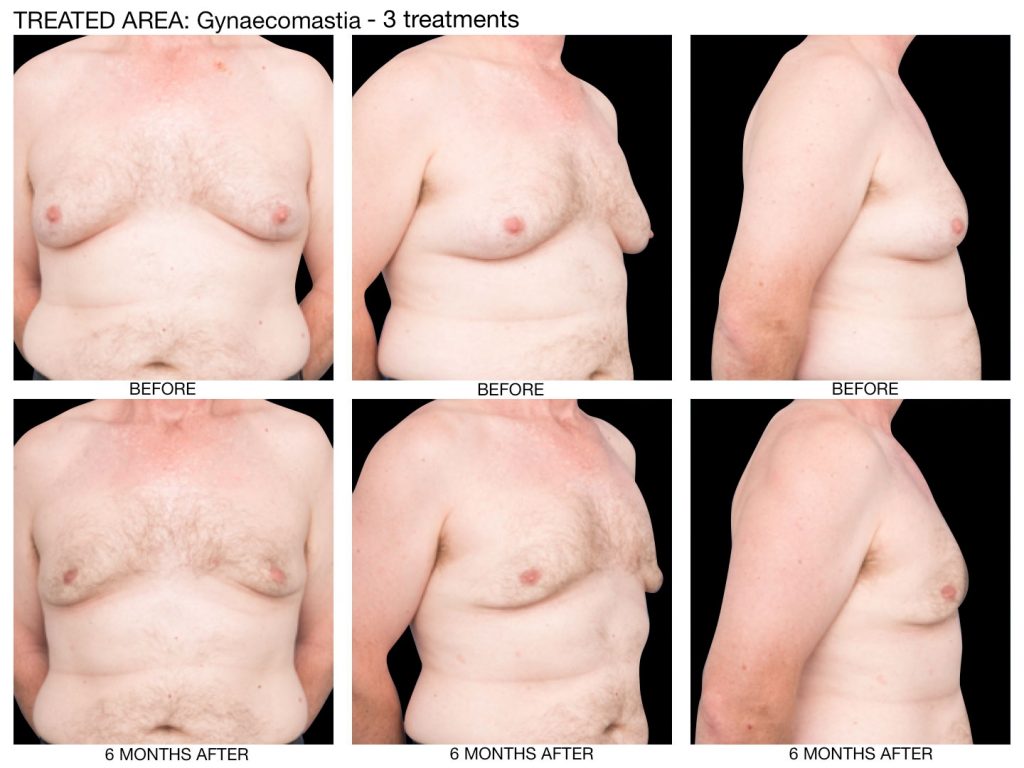
male chest contour concerns (selected patients)
However, CoolSculpting is not a weight-loss treatment. Instead, it targets specific fat pockets that have proven resistant to diet and exercise.
How CoolSculpting Works (Cryolipolysis)
CoolSculpting uses a device applicator that delivers controlled cooling to the tissue beneath the skin. The treatment selectively targets fat cells while aiming to minimise impact on surrounding structures.
After treatment, the body gradually clears the affected fat cells over time. Therefore, results may develop progressively over weeks to months rather than immediately.
Treatment Experience and Recovery
CoolSculpting is a non-surgical treatment performed in clinic. Patients often return to normal activities soon afterwards. However, some temporary effects can occur, including:
-
redness
-
swelling
-
tenderness
-
numbness or altered sensation
-
bruising (in some patients)
Because responses vary among patients, consultation remains essential.
CoolSculpting vs Liposuction vs Surgery
Many patients ask whether CoolSculpting replaces surgery. In general:
-
CoolSculpting may suit mild to moderate localised fat
-
Liposuction can achieve more direct contour change when indicated
-
Abdominoplasty/body lift may be required when excess skin and laxity are significant
For this reason, Dr Tim discusses the most appropriate option based on anatomy, skin quality, goals and recovery preferences.
CoolSculpting and other non-surgical body contouring treatments may also be available through Cosmetic Culture.
Suitability for CoolSculpting in Sydney is confirmed during consultation.
CoolSculpting / Cryolipolysis Disclaimer
CoolSculpting (cryolipolysis) is a non-surgical body contouring procedure intended to reduce localised fat in selected patients. It is not a weight-loss treatment and is not a substitute for healthy diet, exercise, or bariatric/medical weight management.
Individual results vary depending on anatomy, fat distribution, skin quality, lifestyle factors, and the number of treatment sessions. Some patients may require more than one treatment to achieve their desired outcome, and some patients may achieve limited improvement.
As with all medical procedures, risks and side effects can occur. These may include temporary redness, swelling, bruising, pain, tenderness, numbness, altered sensation, skin firmness, contour irregularity, or other complications. In rare cases, paradoxical adipose hyperplasia (PAH) can occur, where the treated area enlarges rather than reduces.
All treatments require consultation and clinical assessment to confirm suitability. Any information provided is general in nature and does not replace personalised medical advice.
Safety, training and professional standards
A/Prof Tim Papadopoulos is a Specialist Plastic Surgeon (FRACS) and is registered with the Australian Health Practitioner Regulation Agency (AHPRA). He is also a member and Past President of the Australasian Society of Aesthetic Plastic Surgeons (ASAPS).
Patients can also consult the Royal Australasian College of Surgeons (RACS) for information on surgical training and standards.
This content is suitable for an 18+/adult audience only
These photos are of consented patients of this clinic/medical practitioner and have not been altered or digitally enhanced.
Outcomes shown are only relevant for this patient and do not necessarily reflect the results other patients may experience, as results may vary due to many factors including the individual’s genetics, diet and exercise.
Click on the images below to enlarge