Technical Explanation of the Topic
Facelift cost in Sydney varies because facelift surgery is not standardised. In other words, there is no single “fixed” facelift price that applies to all patients. Instead, the overall cost depends on the surgical technique, the complexity of the required correction, and the facility fees.
In addition, different patients require different levels of surgery. Some patients need corrections, mainly of the jowls and the jawline. Others need more extensive work through the neck, deep structures, or midface. As a result, facelift costs in Sydney often vary significantly between individuals.
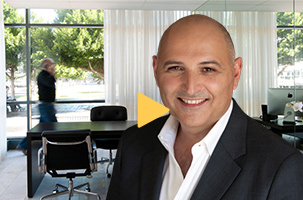
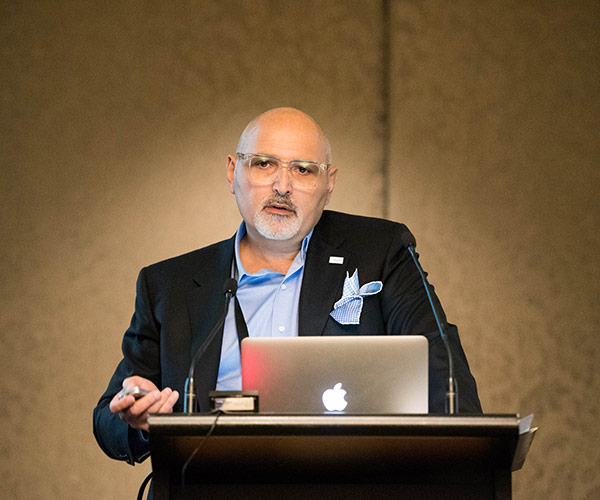
A/Prof Tim Papadopoulos (FRACS) provides facelift surgery in Sydney with personalised planning. During consultation, Dr Tim assesses your facial anatomy, skin laxity, tissue descent, and neck contour. He then discusses suitable facelift options, what may be included, risks, recovery, and realistic outcomes. Importantly, cost can only be confirmed after a detailed in-person assessment.
Why “Facelift Cost Sydney” Varies So Much
Patients often search for “facelift cost Sydney” to get a price guide. However, the final cost reflects multiple factors, including:
-
the type of facelift technique required
-
how advanced facial ageing changes are
-
whether a neck lift is required
-
the duration and complexity of surgery
-
the anaesthetic and hospital fees
-
whether additional procedures are performed in the same operation
Therefore, the best way to understand facelift cost in Sydney is to understand what drives surgical complexity.
What Affects Facelift Cost in Sydney?
Several key factors influence facelift price in Sydney.
1) Type of Facelift Technique
Different facelift techniques require different levels of dissection and tissue repositioning. Consequently, they can differ in operative time, complexity, and facility requirements.
Common facelift techniques include:
-
deep plane facelift (selected patients)
-
extended facelift with neck work (selected patients)
A deep plane facelift can be more complex and technically demanding. For this reason, it can influence the overall cost in selected cases.
2) Degree of Ageing and Correction Required
Facelift cost also depends on the extent of correction required.
For example, patients may present with:
-
mild jowling and early jawline change
-
moderate lower-face descent and skin laxity
-
advanced tissue descent with neck laxity and banding
As the degree of correction increases, the surgery typically requires more time and technical detail. Therefore, complexity can influence cost.
3) Whether a Neck Lift Is Included
A facelift often treats the face and neck together. In fact, many patients need neck correction to achieve a balanced result.
A combined facelift and neck lift may involve:
-
platysma tightening (selected patients)
-
submental contour refinement (selected patients)
-
jawline definition improvement
-
correction of neck skin laxity
Because this adds operative time and technique complexity, a combined facelift + neck lift can influence the total cost.
4) Combined Procedures (One Operation vs Separate Surgeries)
Facelift surgery is often combined with other procedures for facial harmony. This can influence the total cost; however, it may also reduce repeated facility fees compared to staging procedures separately.
Common combined procedures include:
-
facial fat grafting (selected patients)
-
brow lift (selected patients)
-
chin augmentation (selected patients)
Dr Tim confirms suitability for combined procedures during consultation based on anatomy and safety.
5) Anaesthetic Fees
Facelift surgery usually requires an anaesthetist. Anaesthetic fees vary depending on:
-
surgery time
-
anaesthetic complexity
-
whether multiple procedures are performed
Therefore, longer and more complex surgeries generally increase anaesthetic fees.
6) Hospital/Facility Fees
Hospital fees vary based on:
-
theatre time
-
equipment and nursing requirements
-
length of stay (day surgery vs overnight)
-
complexity of post-operative care needs
As a result, facility costs form an important part of facelift cost in Sydney.
7) Surgeon Experience, Training and Surgical Standards
Not all facelifts are performed to the same standard.
A/Prof Tim Papadopoulos is a Specialist Plastic Surgeon (FRACS). Specialist training, surgical planning, and meticulous technique all influence:
-
safety
-
scar quality
-
long-term results
-
management of complexity and revision risk
For this reason, many patients prioritise surgical expertise and clinical standards over “cheap facelift prices.”
Is a Lower Price Always Better?
Patients naturally want value. However, facelift surgery is not a commodity. A lower price may reflect differences in:
-
surgical technique
-
facility standards
-
post-operative support
-
scope of what is included
Importantly, revision surgery can be more complex than primary surgery. Therefore, it is essential to make decisions based on safety and quality, not solely on price.
How to Get an Accurate Quote for Facelift Cost in Sydney
The only way to confirm facelift cost is through consultation. During your appointment, Dr Tim can assess:
-
facial and neck anatomy
-
skin laxity and tissue descent patterns
-
surgical options appropriate to you
-
recovery planning and time off work
-
whether combined procedures are suitable
After this, the practice can provide a tailored cost estimate based on your personalised surgical plan.
Disclaimer:
All surgical procedures carry inherent risks. The information provided here is general in nature and should not be used as a substitute for an in-person consultation with a qualified specialist. Individual outcomes vary based on anatomy, healing, and adherence to post-operative care. A/Prof Tim Papadopoulos will discuss the potential risks, benefits, and realistic expectations during your consultation.
Safety, training and professional standards
A/Prof Tim Papadopoulos is a Specialist Plastic Surgeon (FRACS) and is registered with the Australian Health Practitioner Regulation Agency (AHPRA). He is also a member and Past President of the Australasian Society of Aesthetic Plastic Surgeons (ASAPS).
Patients can also consult the Royal Australasian College of Surgeons (RACS) for information on surgical training and standards.