Technical Explanation of the Procedure
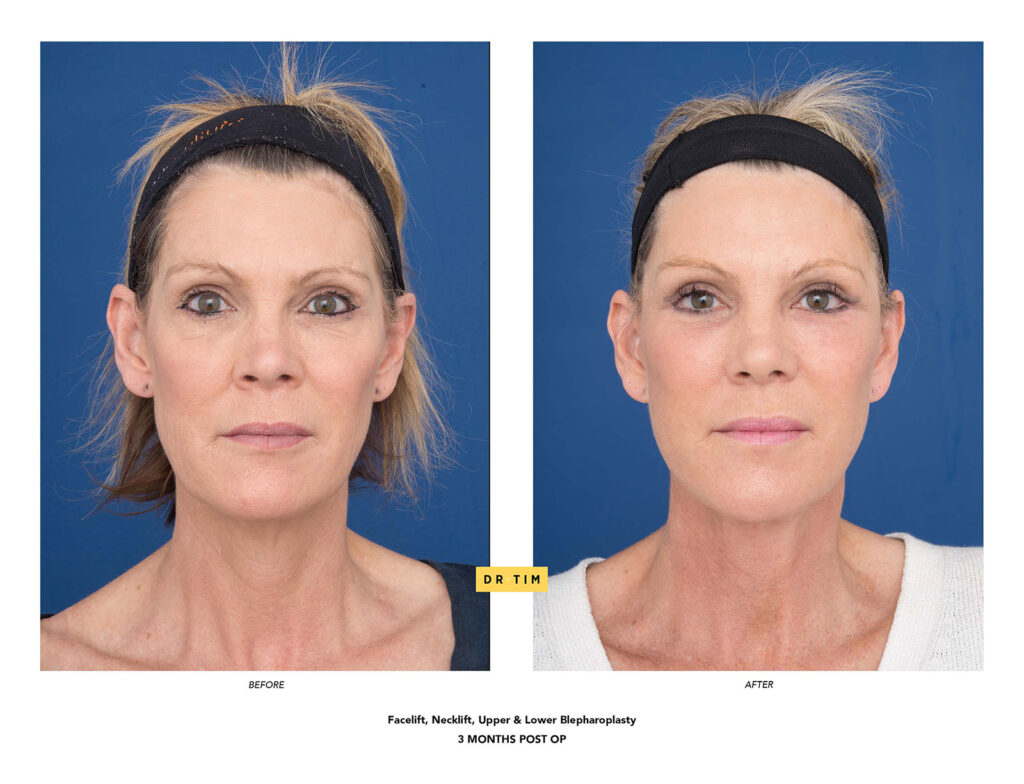
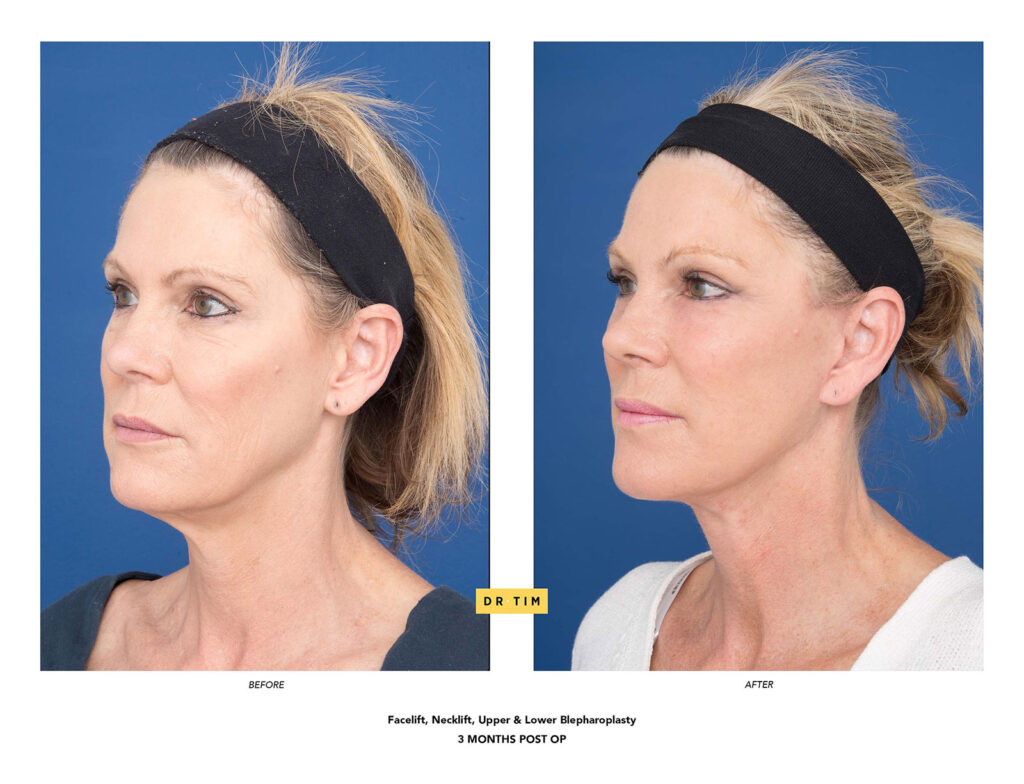
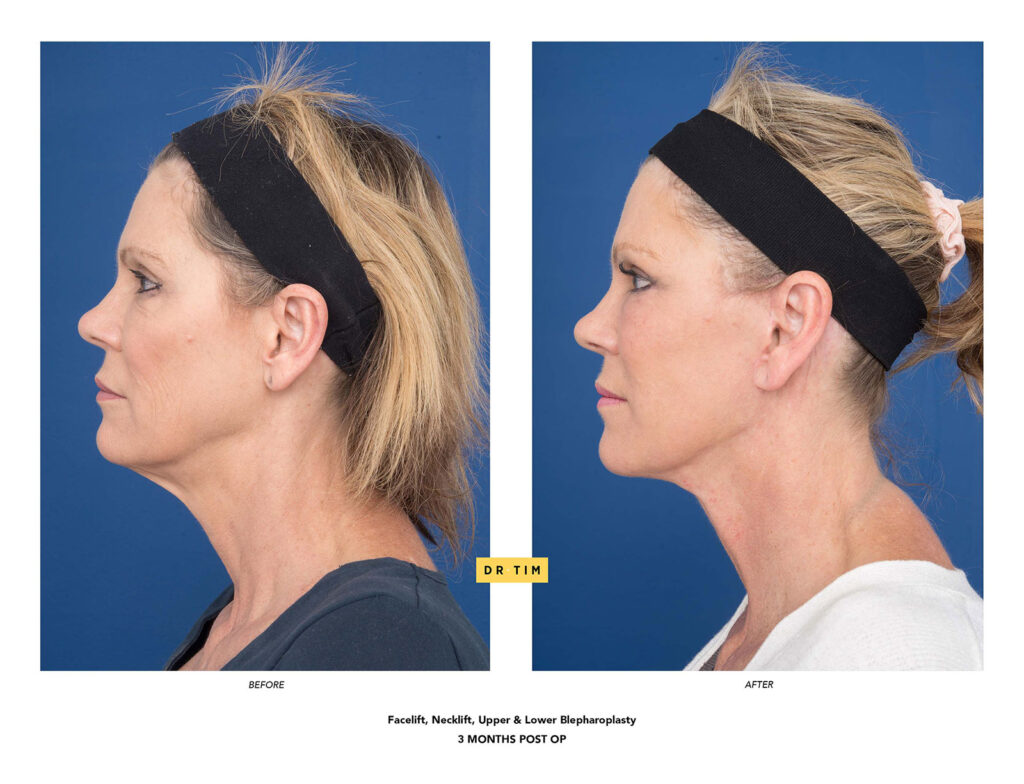
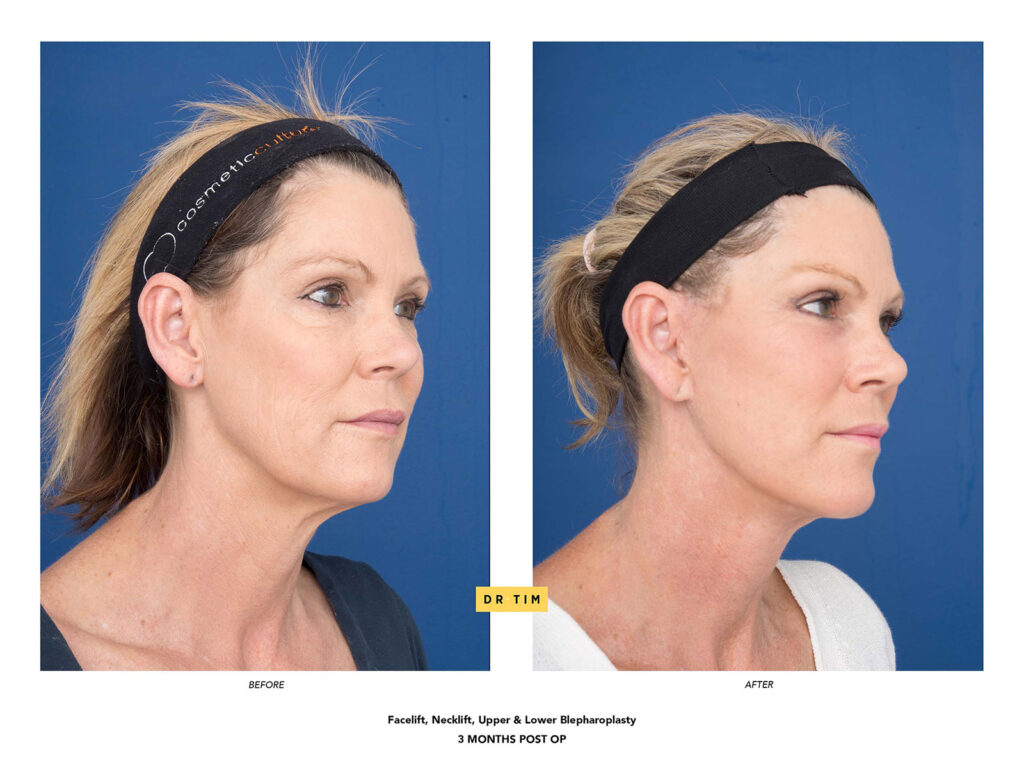
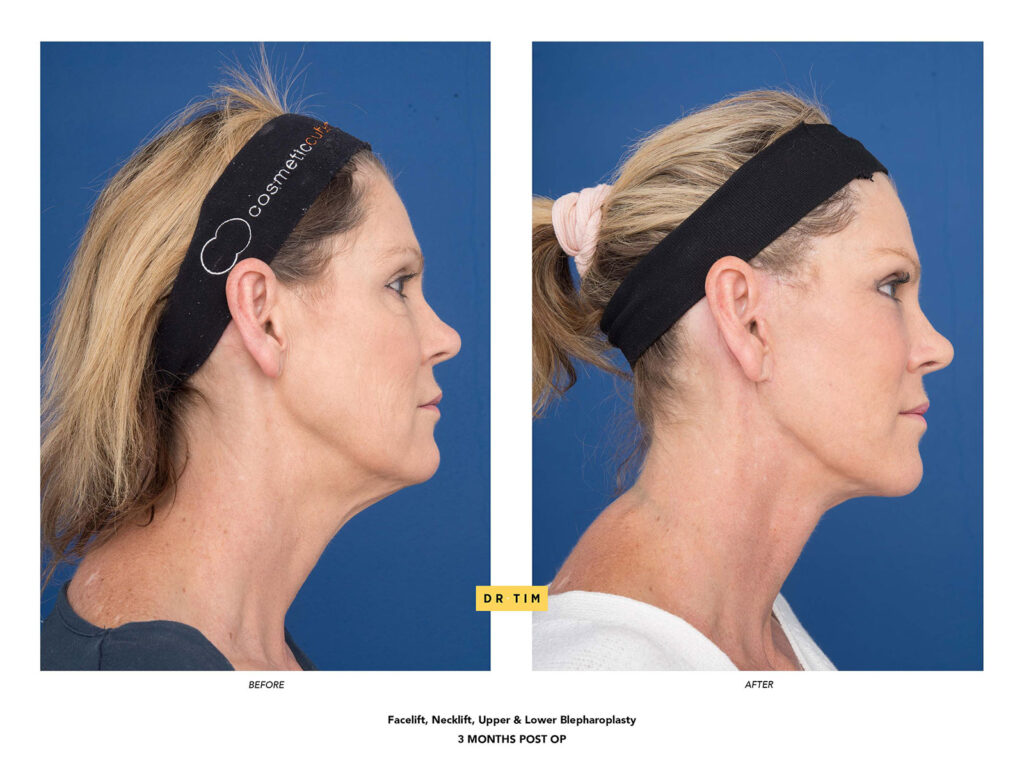
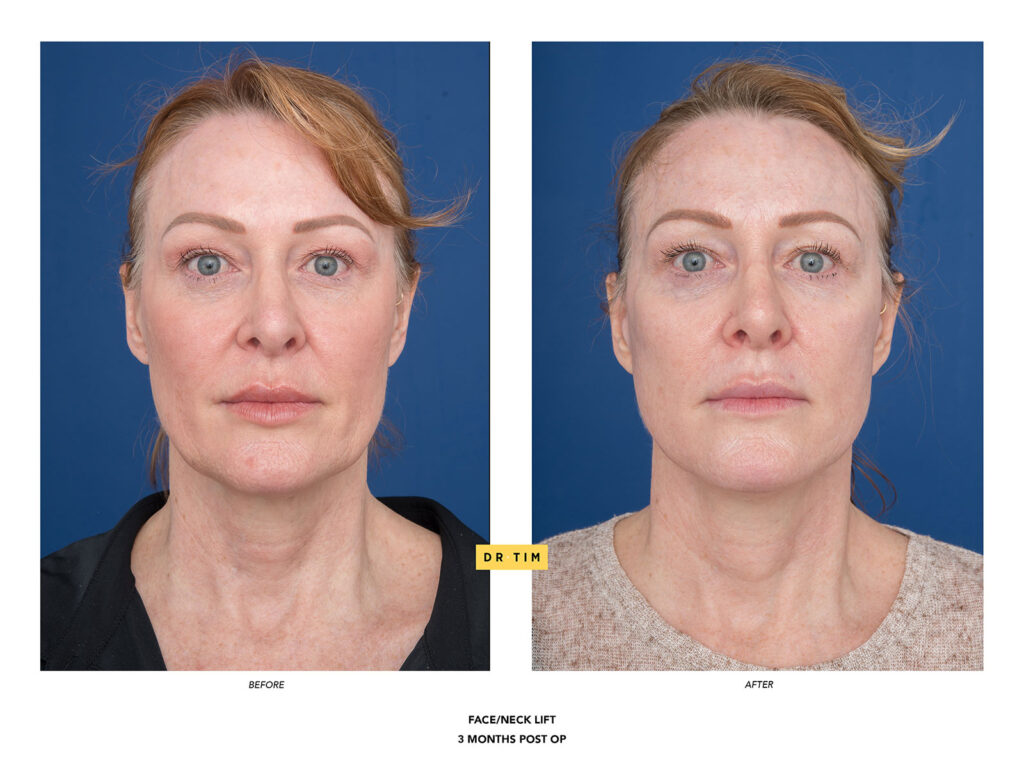
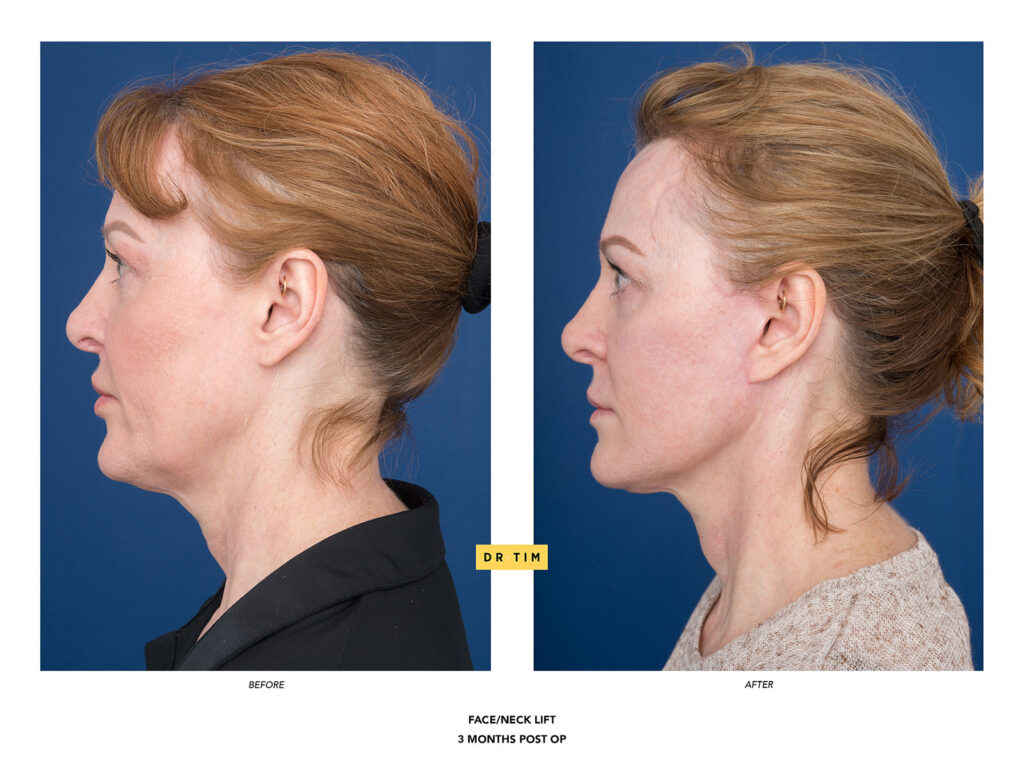
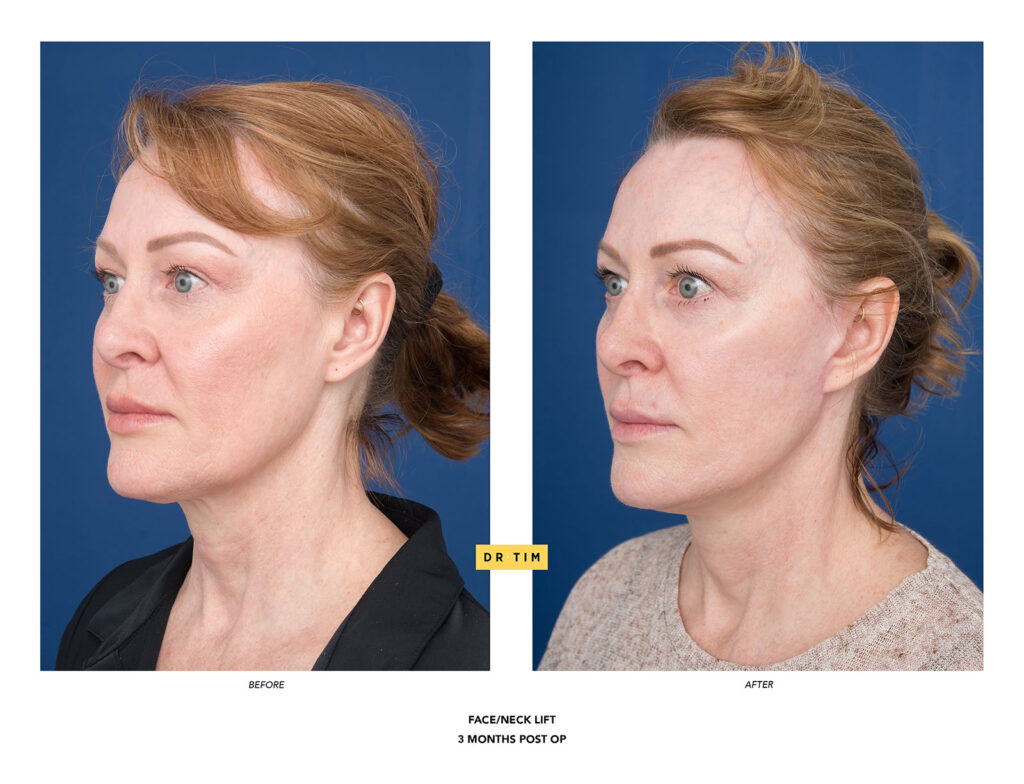
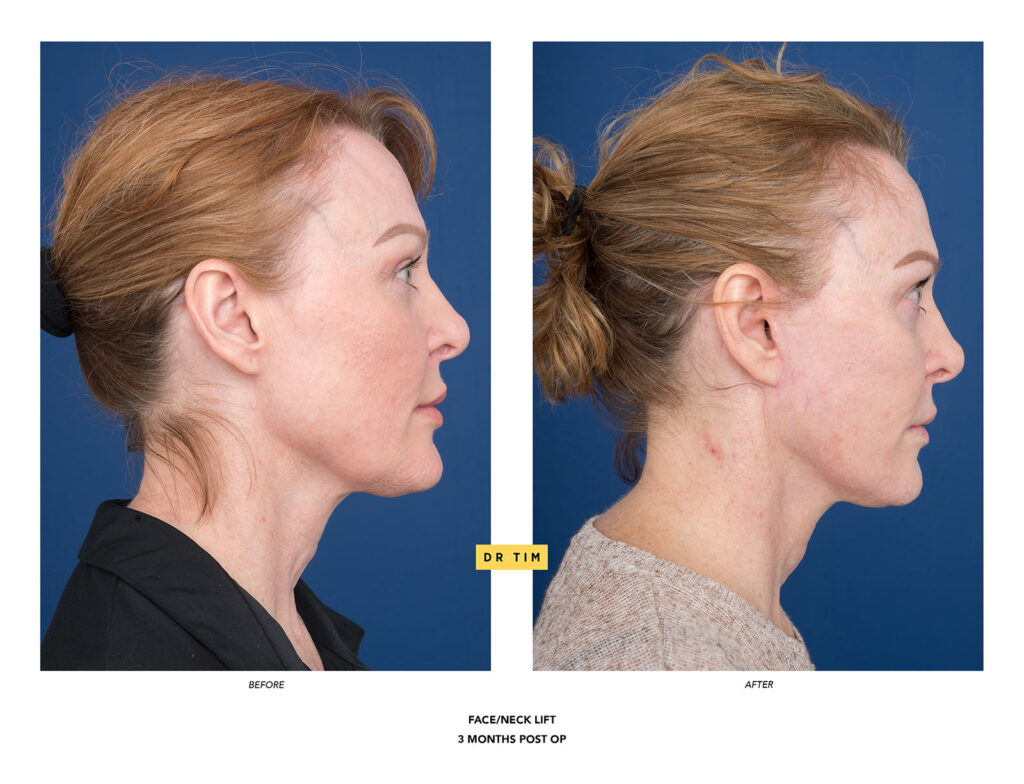
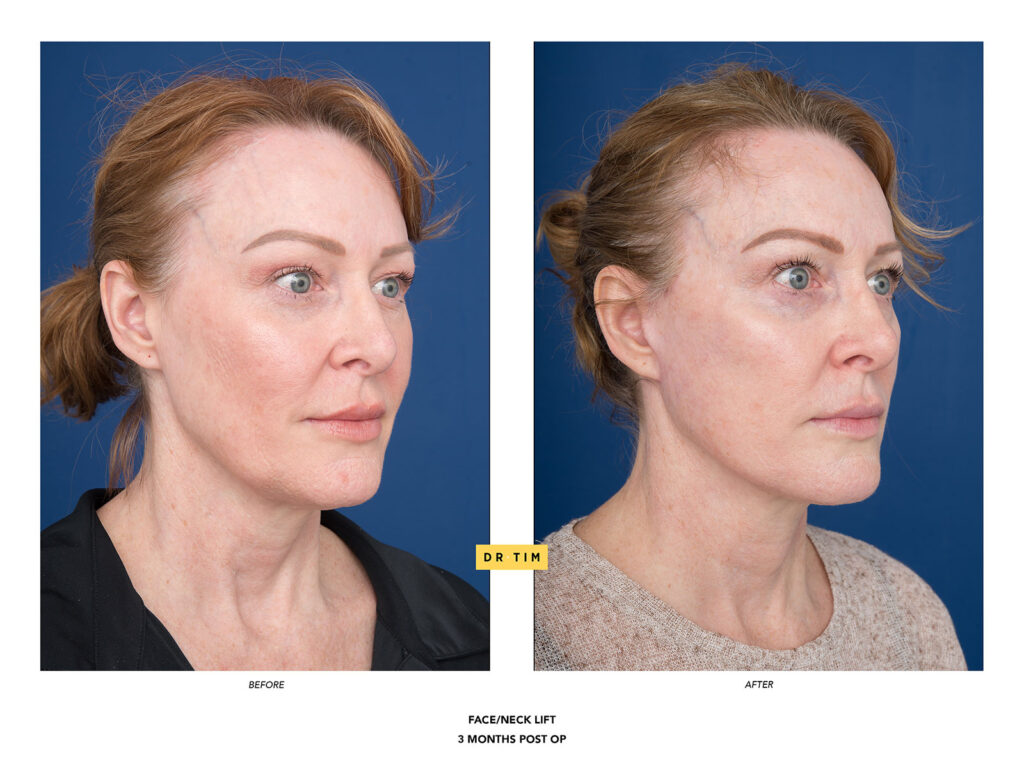
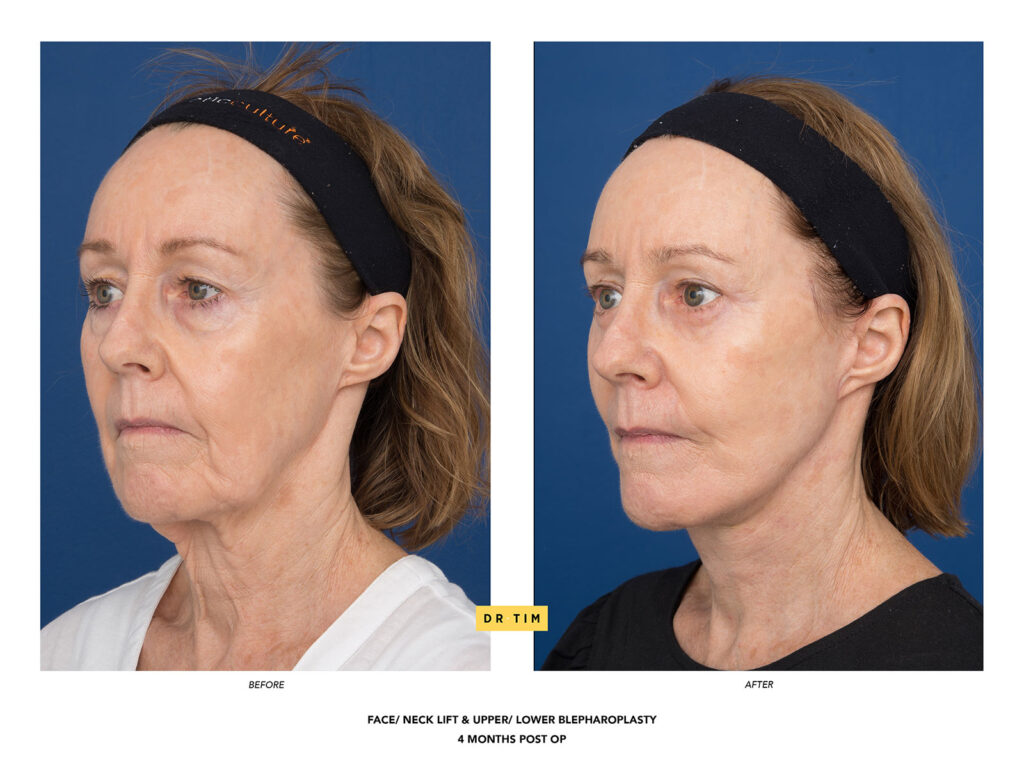
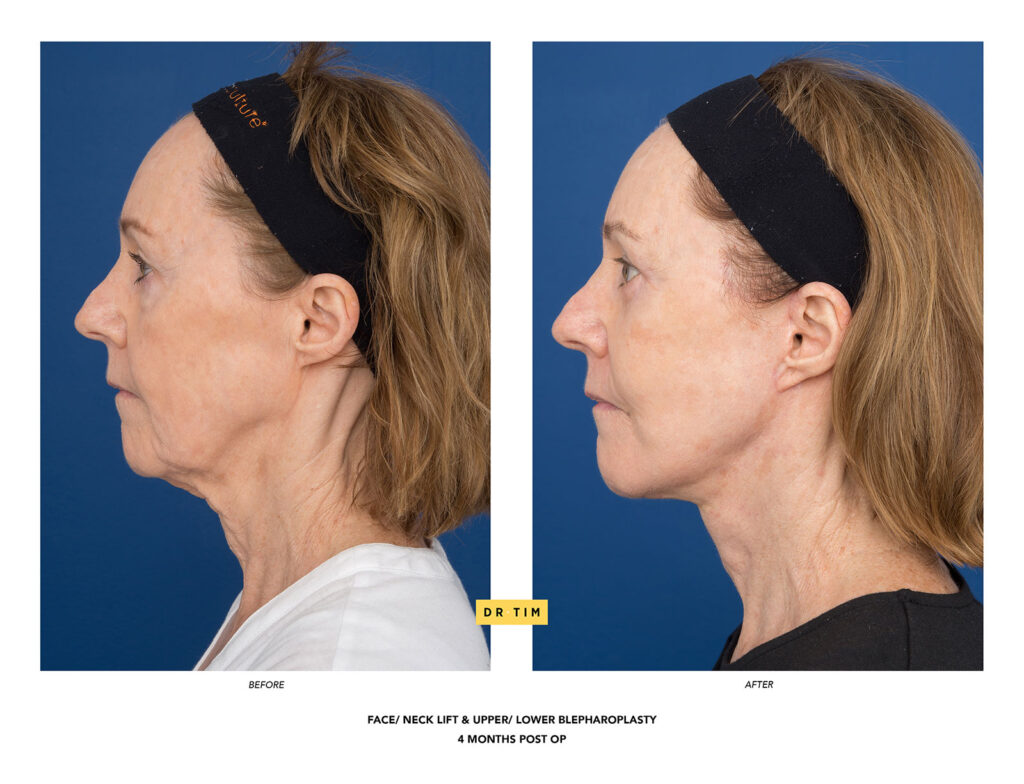
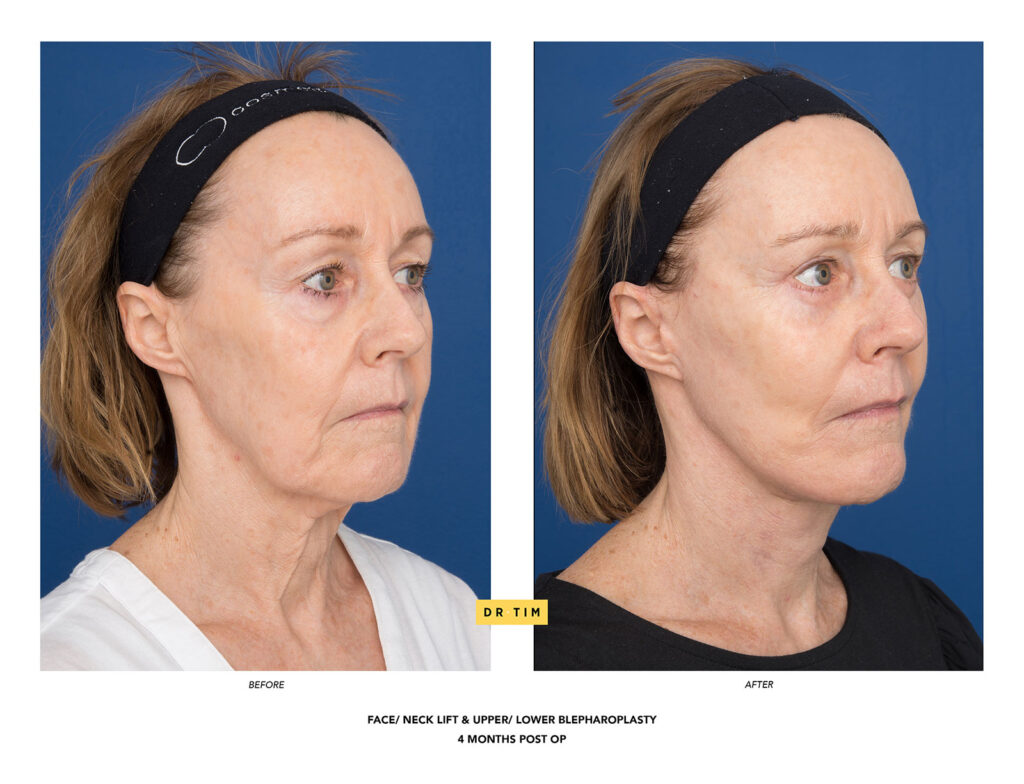
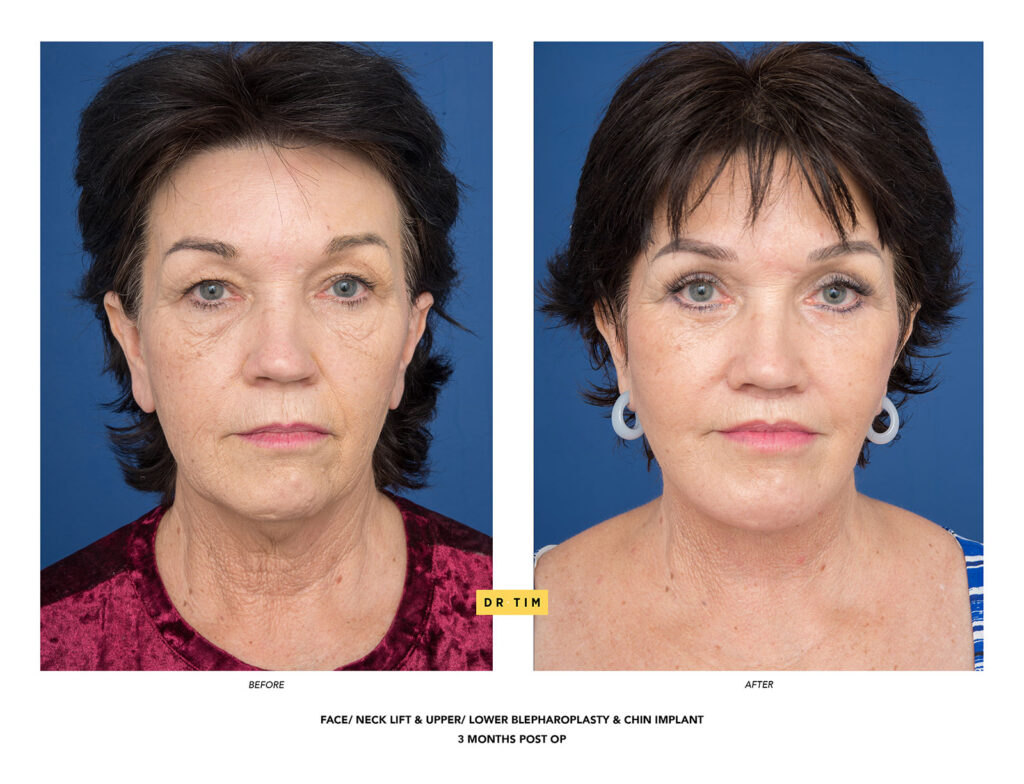
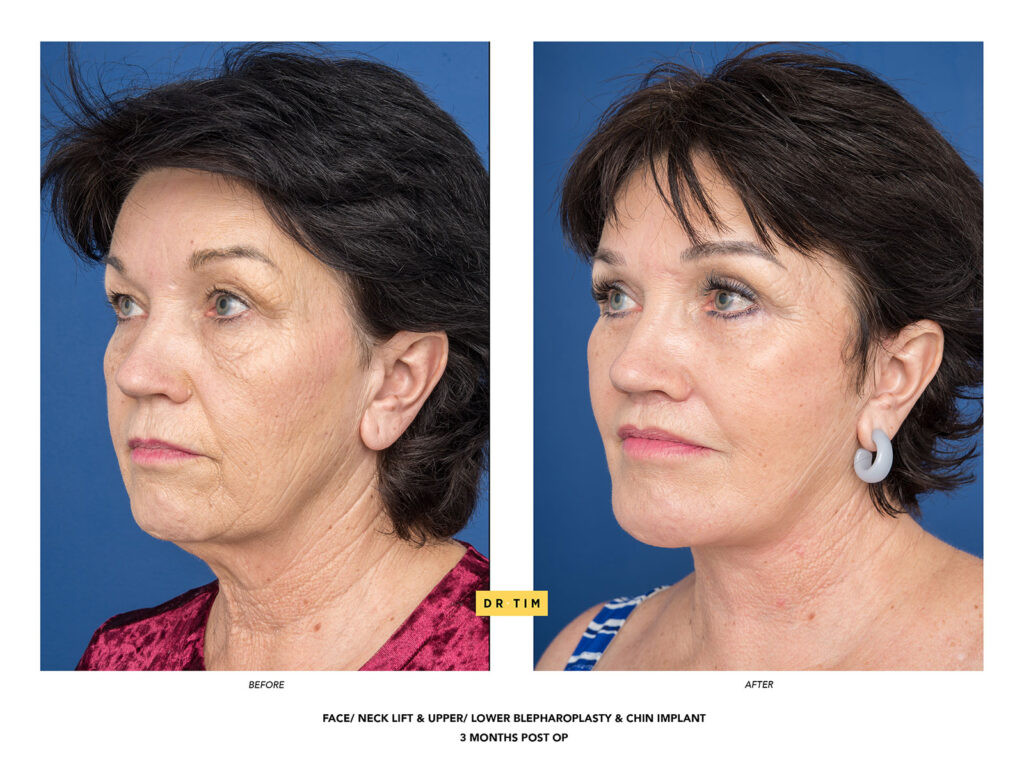
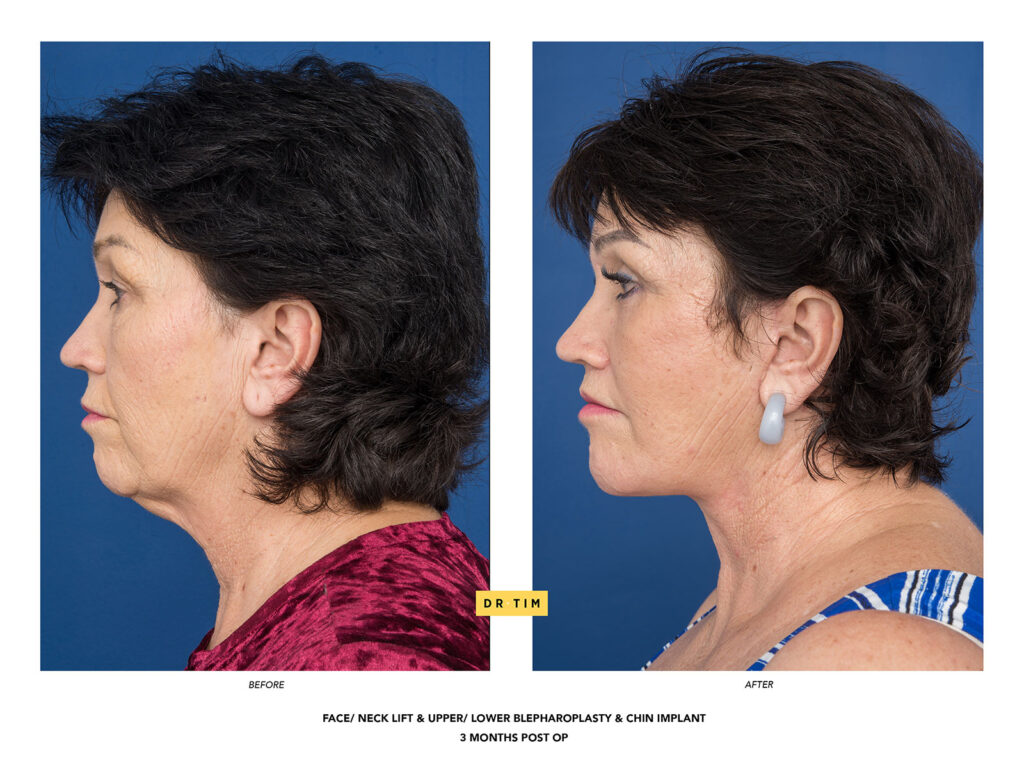
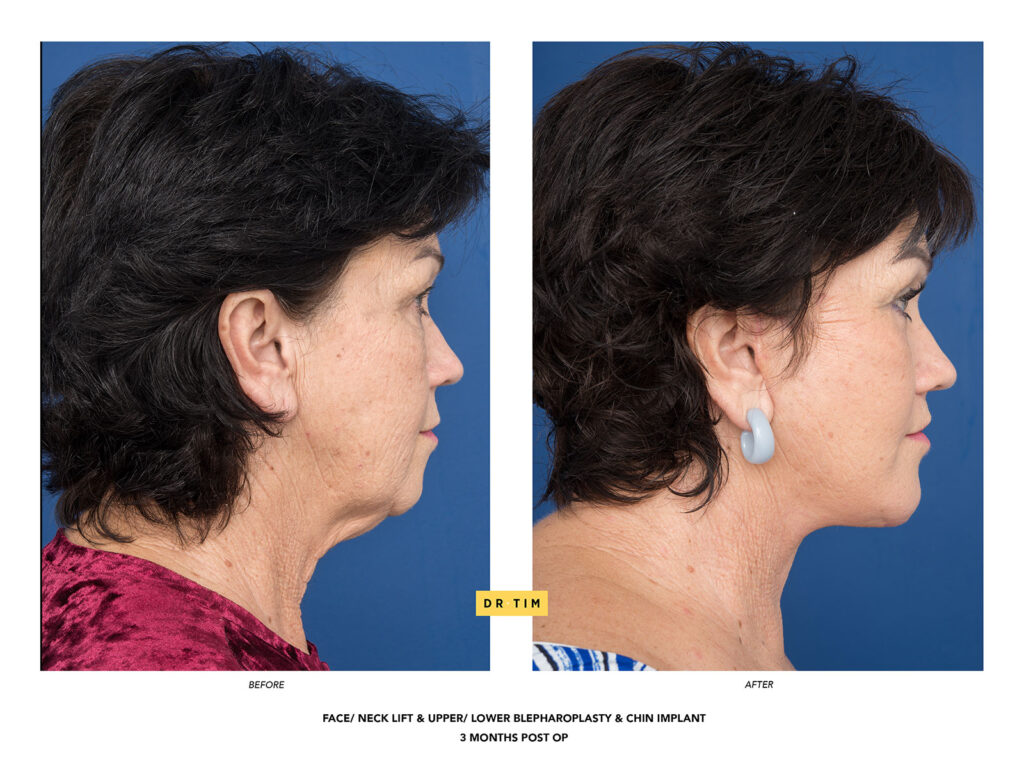
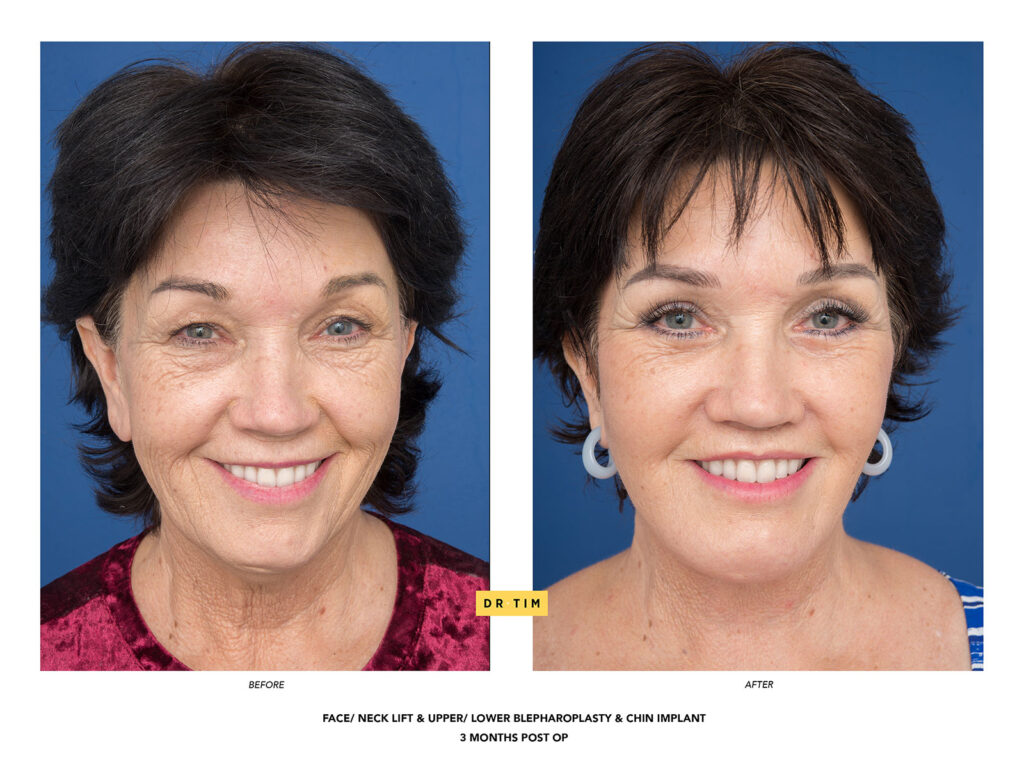
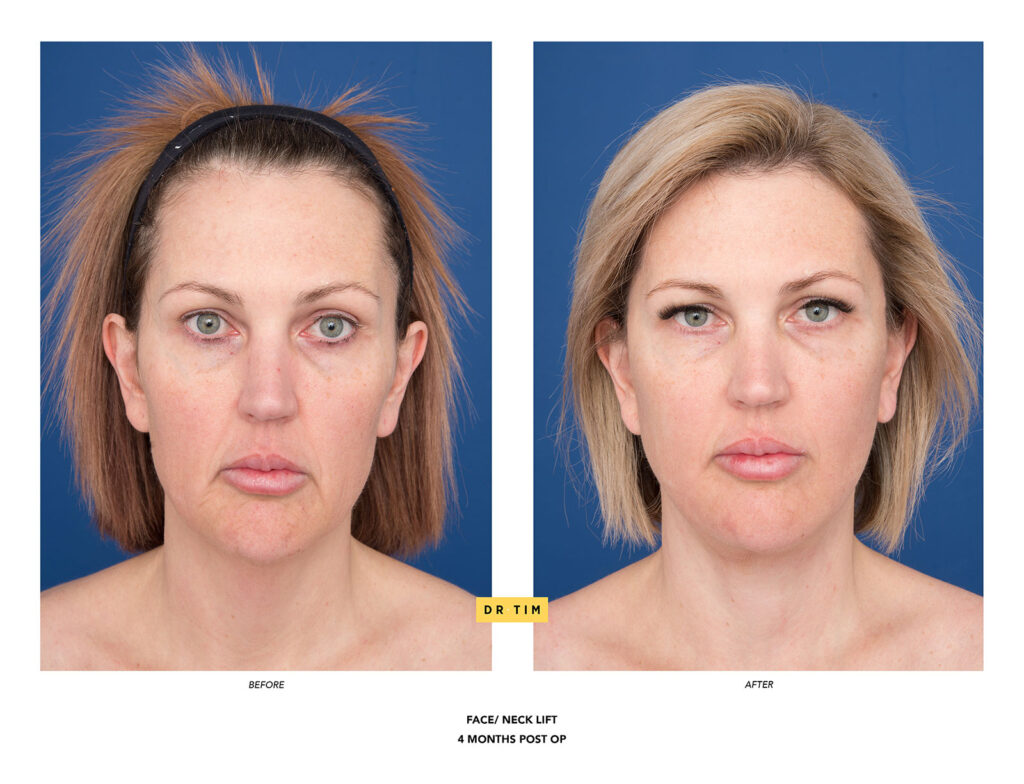
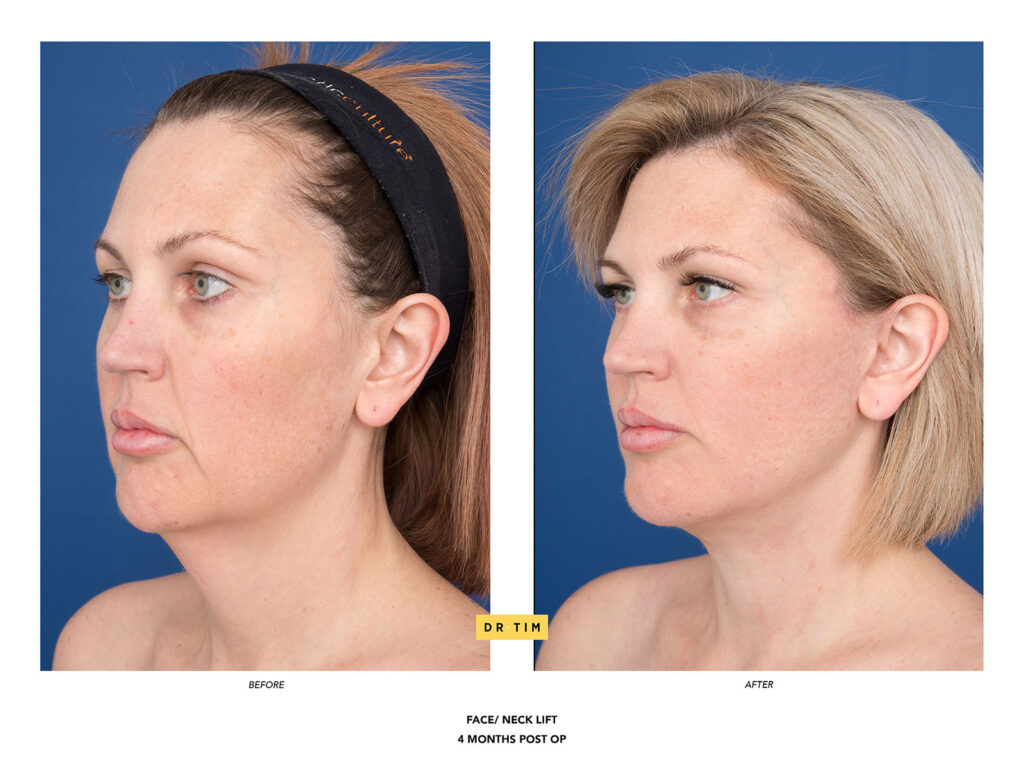
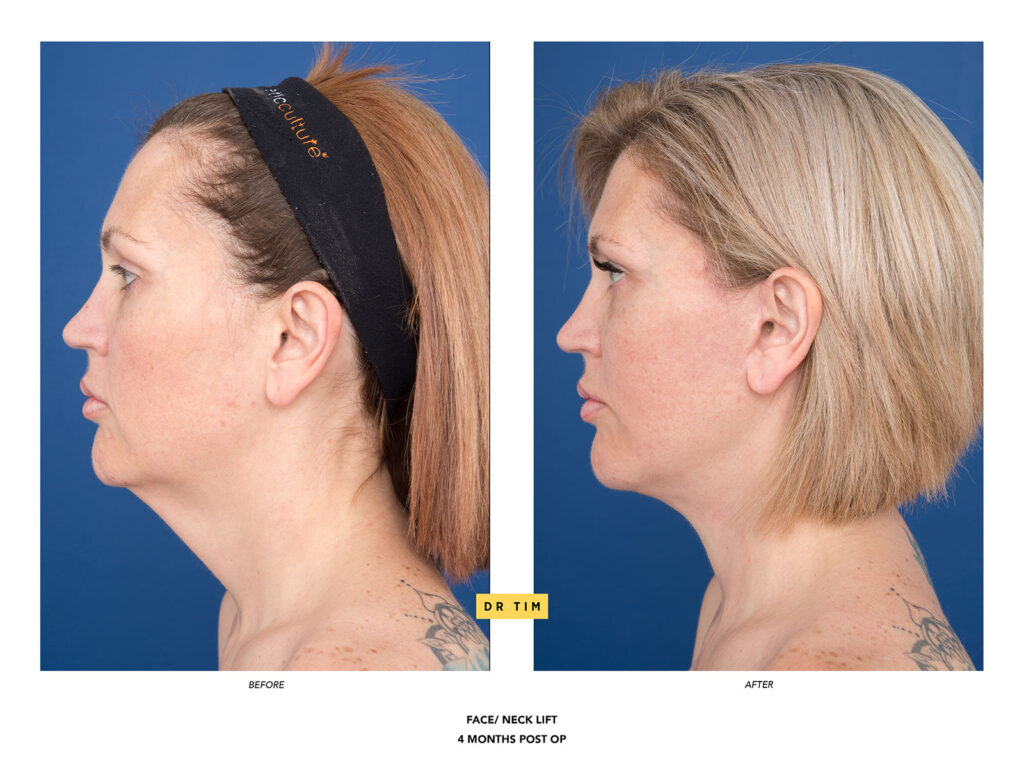
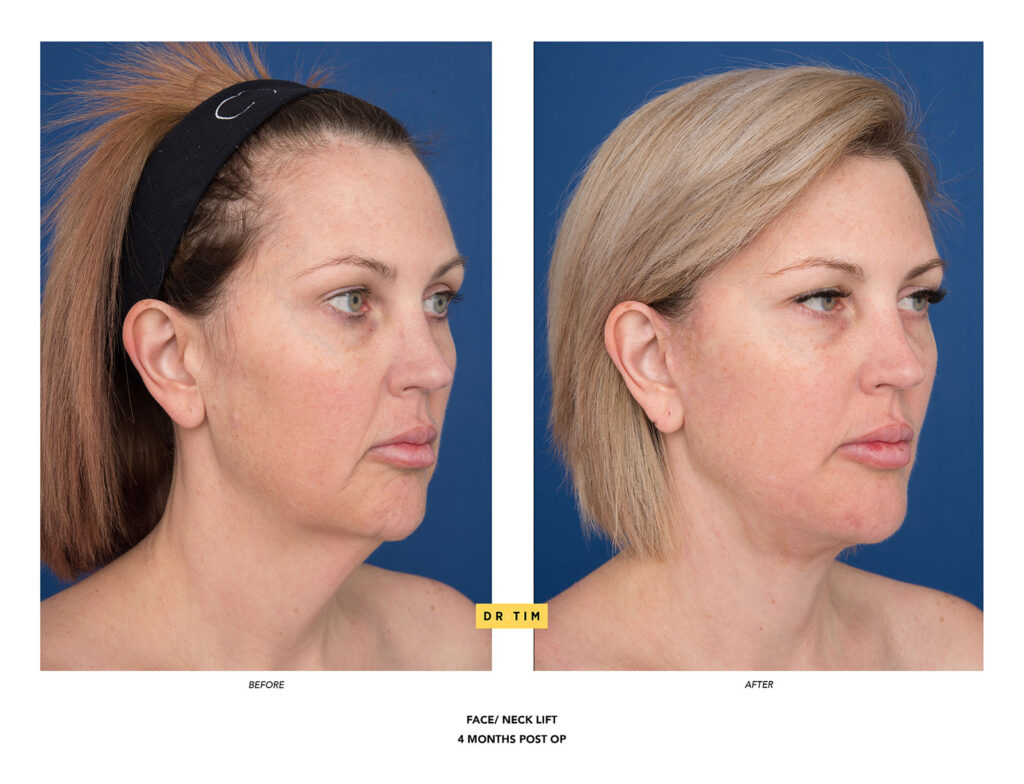
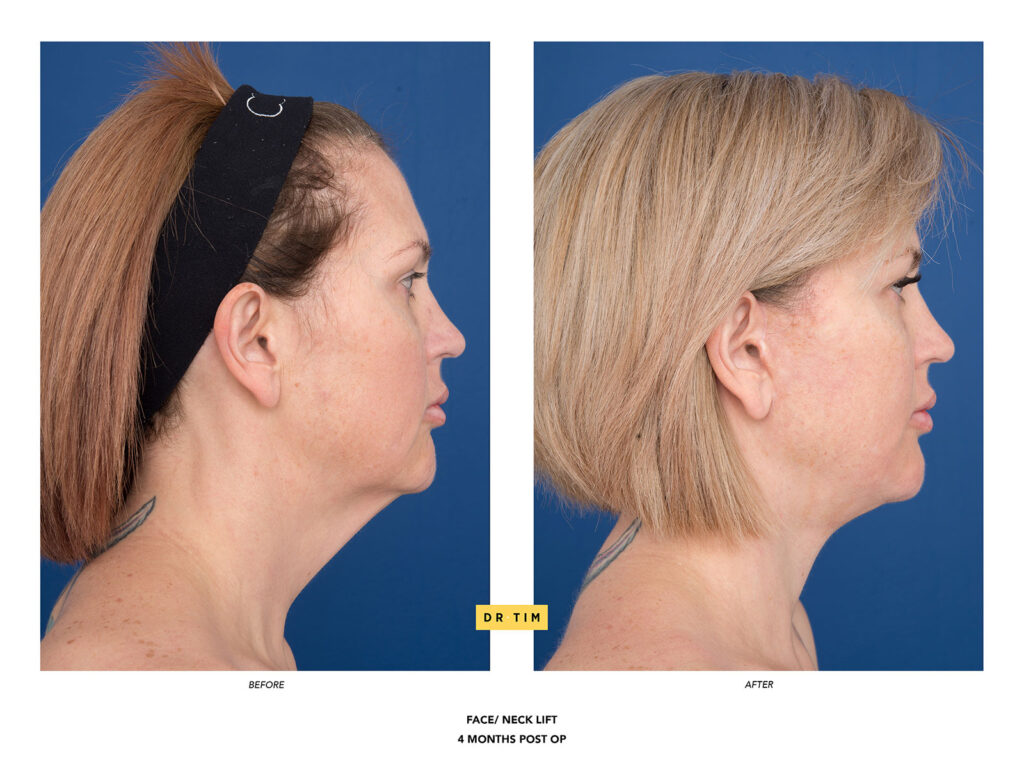
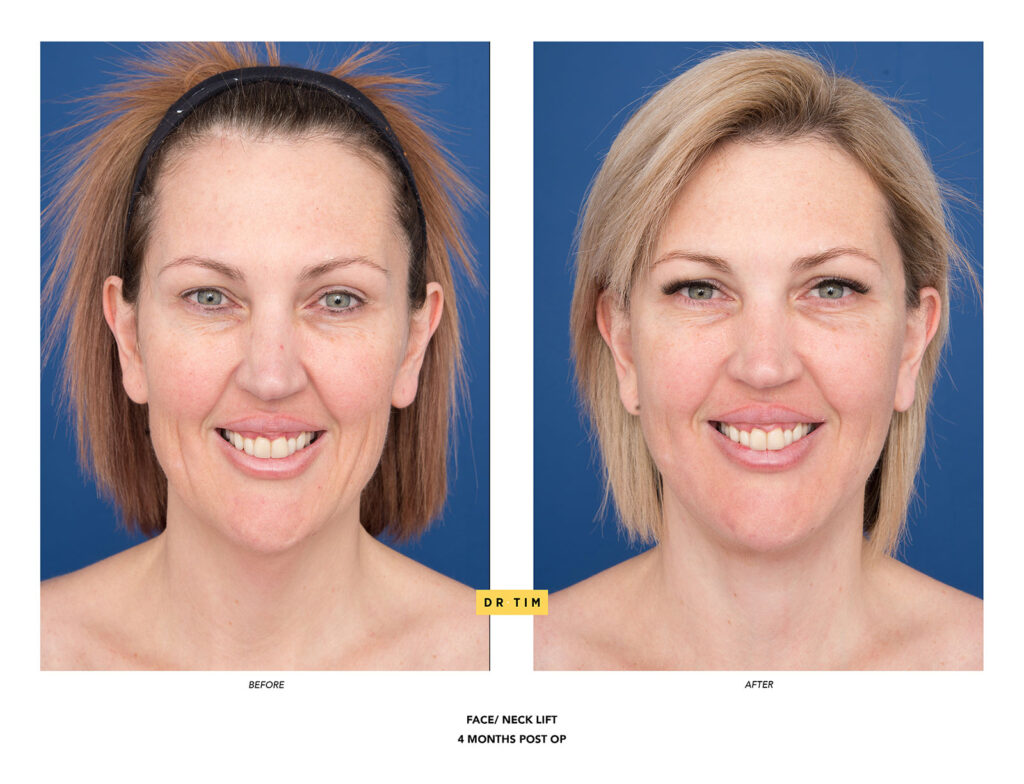
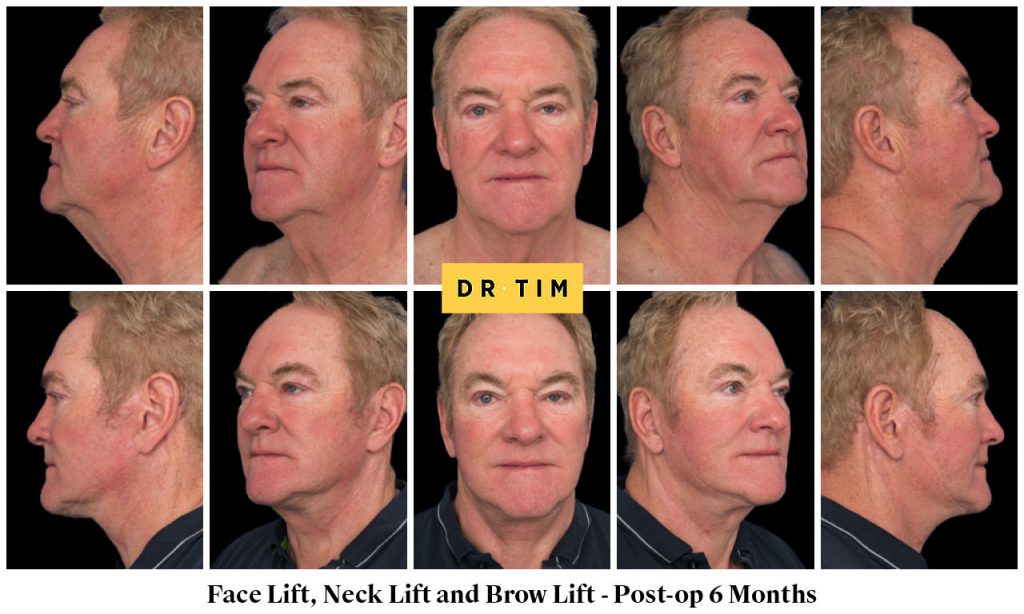
A facelift in Sydney, medically known as a rhytidectomy, is a surgical procedure that improves visible signs of facial ageing. Over time, patients may notice skin laxity, jowling, and soft-tissue descent. For suitable patients, facelift surgery can restore definition through the lower face and neck while maintaining a natural appearance.
A/Prof Tim Papadopoulos (FRACS) tailors each facelift plan to your anatomy and goals. During consultation, Dr Tim assesses skin quality, facial volume, and tissue descent. He then discusses technique options, recovery, risks, and realistic expectations as part of informed consent.
What a Facelift Can Address
Facelift surgery may help improve:
-
sagging cheeks
-
jowls along the jawline
-
deep nasolabial folds (smile lines)
-
loose skin and soft tissue laxity in the neck
Importantly, Dr Tim evaluates the lower face and neck together. As a result, he can design a plan that improves overall balance rather than treating isolated features.
Incision Placement and Scar Position
Dr Tim places incisions in discreet locations to minimise visible scarring. He typically positions them:
-
around the ears, following natural contours
-
within the hairline where appropriate
In selected cases, Dr Tim may add a small incision under the chin. This incision can improve access to the neck, particularly when the neck requires additional contouring or muscle tightening.
Modern Facelift Technique: Deeper Structural Support (SMAS)
Modern facelift surgery focuses on more than skin tightening alone. Instead, Dr Tim addresses the deeper support layers of the face. Through the incisions, he lifts and repositions facial tissues and then adjusts the SMAS (Superficial Musculoaponeurotic System) to restore structural support.
After repositioning the deeper tissues, Dr Tim redrapes the skin without excessive tension. He then trims excess skin precisely. Therefore, the result can look more natural and less “pulled” than earlier facelift techniques.
Combining a Facelift With Other Procedures
Dr Tim may combine facelift surgery with other procedures when appropriate. For example, he may recommend:
This combined approach can refine facial harmony in selected patients. However, suitability varies, so Dr Tim confirms the final surgical plan during consultation.
Disclaimer:
All surgical procedures carry inherent risks. The information provided here is general in nature and should not be used as a substitute for an in-person consultation with a qualified specialist. Individual outcomes vary based on anatomy, healing, and adherence to post-operative care. A/Prof Tim Papadopoulos will discuss the potential risks, benefits, and realistic expectations during your consultation.
Safety, training and professional standards
A/Prof Tim Papadopoulos is a Specialist Plastic Surgeon (FRACS) and is registered with the Australian Health Practitioner Regulation Agency (AHPRA). He is also a member and Past President of the Australasian Society of Aesthetic Plastic Surgeons (ASAPS).
Patients can also consult the Royal Australasian College of Surgeons (RACS) for information on surgical training and standards.
This content is suitable for an 18+/adult audience only
These photos are of consented patients of this clinic/medical practitioner and have not been altered or digitally enhanced.
Outcomes shown are only relevant for this patient and do not necessarily reflect the results other patients may experience, as results may vary due to many factors including the individual’s genetics, diet and exercise.
Click on the images below to enlarge