Technical Explanation of the Procedure
Panniculectomy Sydney is a surgery designed to remove an overhanging apron of skin and soft tissue from the lower abdomen. This overhang is called a pannus. Many patients develop a pannus after significant weight loss, pregnancy, or long-term abdominal stretching. Although weight loss improves health, the skin often does not tighten fully. As a result, patients can experience discomfort, hygiene issues, or recurrent rashes beneath the fold.
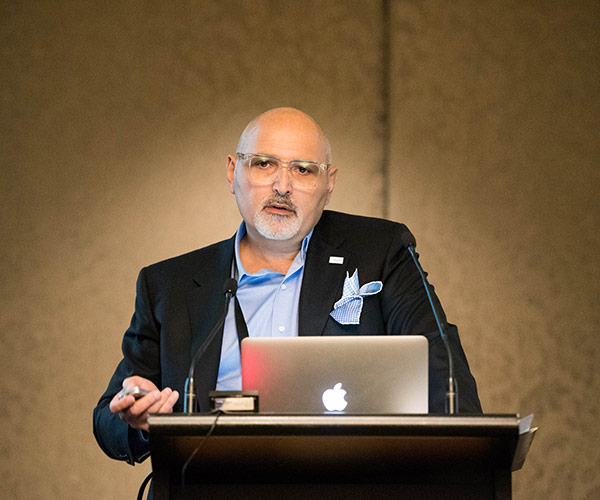
A/Prof Tim Papadopoulos (FRACS) performs panniculectomy in Sydney for suitable patients who have significant excess skin. During consultation, Dr Tim assesses skin excess, fold depth, tissue quality, and lower abdominal anatomy. He then discusses the most appropriate surgical plan, scar placement, recovery, and realistic outcomes as part of informed consent. Importantly, results vary between individuals.
What Is a Panniculectomy?
A panniculectomy removes the pannus, which is the lower abdominal skin and soft tissue that hangs over the pubic region. In many patients, this tissue causes:
-
skin rubbing and irritation
-
recurrent rashes or inflammation (intertrigo)
-
hygiene difficulties
-
discomfort when walking or exercising
-
problems wearing fitted clothing
Therefore, panniculectomy often improves comfort and daily function.
Panniculectomy vs Abdominoplasty (Tummy Tuck)
Many patients ask whether they need a panniculectomy or a tummy tuck. These procedures are not the same.
Panniculectomy
A panniculectomy:
-
focuses on removing the hanging skin fold
-
aims to improve comfort and function
-
does not always include muscle tightening
-
does not specifically contour the upper abdomen
Abdominoplasty
In contrast, a tummy tuck typically includes:
-
skin removal
-
abdominal muscle repair (selected patients)
-
contour improvement of the entire abdomen
For that reason, Dr Tim confirms which surgery is appropriate during consultation.
Who May Consider Panniculectomy in Sydney
Panniculectomy may suit patients who:
-
have a large overhanging abdominal fold
-
experience recurrent skin irritation or infections
-
have discomfort during physical activity
-
have excess skin after massive weight loss
-
struggle with hygiene under the fold
However, this surgery is not a weight-loss procedure. Instead, it addresses excess skin and soft tissue after weight stabilisation.
How Panniculectomy Surgery Is Performed
Panniculectomy usually involves several key stages.
1) Surgical planning and marking
Dr Tim maps the pannus and designs scar placement. This step is essential for symmetry and safe tissue removal.
2) Incision placement
Dr Tim places the incision low on the abdomen. He aims to keep it as discreet as possible while still allowing adequate skin removal. In some cases, Dr Tim extends the incision toward the hips for improved correction.
3) Removal of excess skin and tissue
Dr Tim removes the hanging tissue. He does so carefully to preserve blood supply and support healing.
4) Closure and contour support
Dr Tim closes the incision in layers. He focuses on stable closure and long-term scar quality.
In selected patients, Dr Tim may also discuss:
-
liposuction contour refinement
-
combination planning with staged body contouring
However, suitability depends on anatomy and surgical safety.
Recovery After Panniculectomy
Recovery depends on the extent of correction. However, patients commonly experience:
-
swelling and bruising
-
tightness across the lower abdomen
-
activity restrictions during early healing
-
gradual scar maturation over months
Dr Tim provides detailed aftercare instructions and follow-up planning. In addition, he discusses expected timelines and practical considerations for recovery.
Risks and Important Considerations
All surgery carries risks. Panniculectomy risks may include:
-
scarring (expected)
-
delayed wound healing
-
infection
-
fluid collection (seroma)
-
bleeding
-
asymmetry
-
need for revision surgery (uncommon)
Dr Tim discusses risks clearly during consultation.
Suitability for Panniculectomy Sydney
Patients typically suit panniculectomy when they:
-
have stable weight
-
have significant lower abdominal overhang
-
have realistic expectations regarding scars
-
do not smoke (or can stop pre-operatively)
-
are medically fit for anaesthesia
Suitability for panniculectomy in Sydney is confirmed during consultation.
Disclaimer:
All surgical procedures carry inherent risks. The information provided here is general in nature and should not be used as a substitute for an in-person consultation with a qualified specialist. Individual outcomes vary based on anatomy, healing, and adherence to post-operative care. A/Prof Tim Papadopoulos will discuss the potential risks, benefits, and realistic expectations during your consultation.
Safety, training and professional standards
A/Prof Tim Papadopoulos is a Specialist Plastic Surgeon (FRACS) and is registered with the Australian Health Practitioner Regulation Agency (AHPRA). He is also a member and Past President of the Australasian Society of Aesthetic Plastic Surgeons (ASAPS).
Patients can also consult the Royal Australasian College of Surgeons (RACS) for information on surgical training and standards.