Rhinoplasty for men in Sydney is a surgical procedure that changes or reconstructs the nasal framework to address structural or aesthetic concerns. A/Prof Tim Papadopoulos, Specialist Plastic Surgeon, performs rhinoplasty in accredited facilities using techniques designed to preserve airway function and natural facial balance.
In many cases, men seek rhinoplasty to correct a deviated septum, refine nasal shape, or adjust projection. Because male nasal anatomy differs in angle and thickness from female patterns, the surgical plan takes into account both appearance and airway integrity.
Assessment and Planning
During consultation, A/Prof Papadopoulos evaluates breathing function, nasal shape, facial proportion, and skin characteristics. He explains the indications, limitations, and potential risks so patients can make an informed decision. Additionally, preoperative photographs and measurements assist in planning symmetry and projection. Since each nose is anatomically unique, the approach is individualised to achieve balanced correction while maintaining masculine definition.
Surgical Approach
Open or Closed Technique
Rhinoplasty may be performed through either an open or a closed approach. A/Prof Papadopoulos selects the method that best provides visibility and control for the required correction. For example, an open approach allows precise adjustment of nasal tip support, while a closed approach limits external incision.
Structural Modification
Depending on the goal, cartilage or bone may be reshaped to correct deviation, reduce a dorsal hump, or improve tip projection. When necessary, internal septal adjustments help improve airflow. Furthermore, meticulous closure and internal splints support early stability during healing.
All rhinoplasty procedures take place in accredited hospitals under general anaesthesia with a qualified anaesthetist.
Preparation and Coordination
Before surgery, A/Prof Papadopoulos provides written instructions regarding medications, fasting, and postoperative care arrangements. During preparation, he coordinates with the anaesthetic and theatre teams to ensure safe conditions. After surgery, scheduled follow-up visits allow airway checks, dressing removal, and review of progress.
Informed Consent and Safety
Every rhinoplasty plan includes a discussion of surgical benefits, potential risks, and recovery expectations. Ultimately, the decision to proceed belongs to the individual once they have reviewed all relevant information with A/Prof Papadopoulos.
Disclaimer: All surgical procedures carry inherent risks. The information provided here is general in nature and should not be used as a substitute for an in-person consultation with a qualified specialist. Individual outcomes vary based on anatomy, healing, and adherence to post-operative care. A/Prof Tim Papadopoulos will discuss the potential risks, benefits, and realistic expectations during your consultation.
Procedure Duration: 1.5 – 3 hours Anaesthesia: General anaesthesia Hospital Stay: Day surgery or overnight Sutures Removed: 5 – 7 days Splint Removal: 7 – 10 days Return to Work: Approximately 10 – 14 days Follow-Up Visits: 1 week, 1 month, 3 months, 1 year Performed By:A/Prof Tim Papadopoulos, Specialist Plastic Surgeon
All procedures are undertaken in accredited facilities under Australian health-care standards.
What to Expect
Before Surgery The consultation includes a nasal examination, photographic analysis, and a discussion of breathing and shape concerns. In addition, A/Prof Papadopoulos outlines anaesthetic options and recovery milestones.
During Surgery Incisions are made inside the nostrils and, when required, across the columella. Through these openings, underlying bone and cartilage are reshaped or repositioned to improve form and function. Furthermore, internal support structures stabilise the airway and maintain symmetry.
After Surgery A light nasal splint and internal dressings protect the new framework. After a short recovery period, patients return home with written care instructions and review appointments already scheduled.
1. What is rhinoplasty for men?
Rhinoplasty for men is a surgical procedure to improve the shape, size, or function of the nose while preserving masculine features.
2. Who is a good candidate for male rhinoplasty?
Good candidates are men in good overall health who want to address cosmetic concerns, functional issues, or both, and who have realistic expectations about the results.
3. How long does recovery take?
Most patients return to light activities within 1–2 weeks, with full recovery taking several months.
4. Will there be visible scars?
For open rhinoplasty, scars are minimal and placed along the columella, where they are barely noticeable. Closed rhinoplasty leaves no external scars.
5. Are the results permanent?
Yes, the results are permanent, but minor changes may occur over time as part of the natural aging process.
6. How soon will I see the results?
You’ll notice an improvement within weeks, but final results may take 6–12 months as swelling gradually subsides.
7. Can rhinoplasty correct breathing problems?
Yes, rhinoplasty can address functional issues like a deviated septum or nasal valve collapse, improving airflow and breathing.
8. Is the procedure painful?
The procedure is performed under anaesthesia, ensuring no discomfort during surgery. Post-operative pain is mild to moderate and manageable with prescribed medications.
Results following rhinoplasty for men vary from individual to individual. As swelling subsides, nasal definition improves, and breathing comfort may increase if structural corrections are performed. The final contour typically settles over 6–12 months as soft-tissue healing is completed.
Because healing varies among individuals, long-term results depend on factors such as anatomy, tissue thickness, and adherence to post-operative care.
Outcomes vary and cannot be guaranteed. A/Prof Papadopoulos discusses likely changes and limitations during consultation.
Risks
All surgical procedures involve potential complications. A/Prof Papadopoulos reviews these before consent. Possible risks include:
Bleeding or haematoma
Infection or delayed healing
Temporary numbness or altered sensation
Asymmetry or contour irregularity
Nasal obstruction or septal perforation (rare)
Anaesthetic-related complications
This information is general and not a substitute for personal consultation.
Recovery Tips
During the first week, mild swelling, bruising, and nasal congestion are common. Keeping the head elevated and using cool compresses can help reduce swelling. A/Prof Papadopoulos provides step-by-step instructions for cleaning, taping, and medication. By the second week, most patients resume light activity and work that does not involve physical exertion. As healing progresses, residual swelling continues to decrease, and breathing gradually returns to normal.
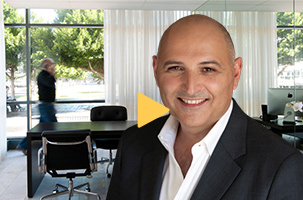
Dr Tim is a certified cosmetic and plastic surgeon, past president of the Australasian Society of Aesthetic Plastic Surgery (ASAPS), a member of the Australian Society of Plastic Surgeons (ASPS) and a Fellow of the Royal Australasian College of Surgeons (FRACS). Tim is also an International member of the American Society of Plastic Surgeons. Dr Tim is a member and Board Director of the International Society of Aesthetic Plastic Surgery and an international active member of the American Society of Aesthetic Plastic Surgery.
He has undertaken 8-12 years of specialist training beyond his basic medical degree to become a Fellow of the Royal Australasian College of Surgeons (FRACS) which is the only institution accredited to train surgeons in Australia and New Zealand. He is the current Head of the Department of Plastic & Reconstructive Surgery at Westmead Private Hospital.
As a Sydney plastic surgeon Dr Tim focuses on cosmetic surgery of the face, breast and body.
Dr Tim is a certified cosmetic and plastic surgeon, past president of the Australasian Society of Aesthetic Plastic Surgery (ASAPS), a member of the Australian Society of Plastic Surgeons (ASPS) and a Fellow of the Royal Australasian College of Surgeons (FRACS). Tim is also an International member of the American Society of Plastic Surgeons. Dr Tim is a member and Board Director of the International Society of Aesthetic Plastic Surgery and an international active member of the American Society of Aesthetic Plastic Surgery.
He has undertaken 8-12 years of specialist training beyond his basic medical degree to become a Fellow of the Royal Australasian College of Surgeons (FRACS) which is the only institution accredited to train surgeons in Australia and New Zealand. He is the current Head of the Department of Plastic & Reconstructive Surgery at Westmead Private Hospital.
As a Sydney plastic surgeon Dr Tim focuses on cosmetic surgery of the face, breast and body.
Dr. Tim is a highly experienced specialist plastic surgeon known for his commitment to patient safety, advanced surgical techniques, and meticulous care. He prioritizes evidence-based procedures to deliver natural-looking, long-lasting results.
Precision
With an exceptional eye for detail and surgical expertise, Dr. Tim ensures every procedure—whether facelift, body contouring, or breast augmentation—is performed with precision, artistry, and the latest medical advancements.
Your Wellbeing & Comfort
Dr. Tim takes a patient-centered approach, guiding you from consultation to post-operative care. He provides personalised surgical plans to help you make informed decisions, ensuring your safety, comfort, and satisfaction throughout your cosmetic surgery journey.
Professional Integrity
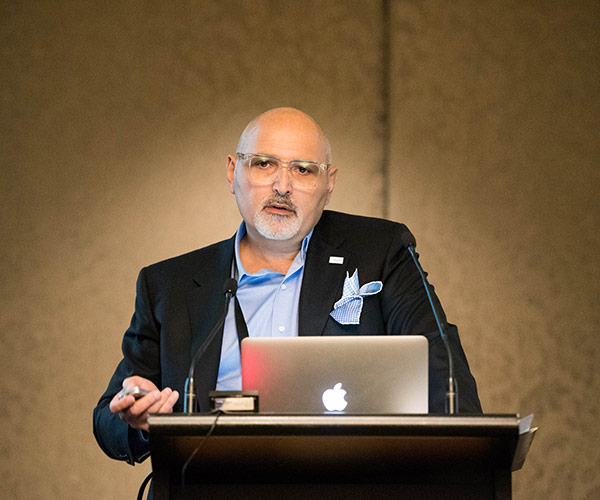
As a specialist plastic surgeon, Dr. Tim is dedicated to excellence in aesthetic surgery. His contributions to medical education, training future surgeons, and speaking at global conferences reinforce his reputation as a leader in the field of cosmetic surgery.
Have Questions About Cosmetic Surgery?
Understanding your options is important. Our team is available to provide factual information about procedures and answer any concerns you may have. Book a consultation to receive professional advice tailored to your needs.