Skin Needling in Sydney
Technical Explanation of the Procedure
Skin needling in Sydney, also known as microneedling or collagen induction therapy, is a minimally invasive skin treatment designed to improve skin texture, tone, and quality. The procedure uses a sterile needling device to create controlled microchannels in the skin. As a result, the skin activates its natural healing response, which can support collagen remodelling over time.
A/Prof Tim Papadopoulos (FRACS) provides assessment and guidance regarding appropriate skin rejuvenation treatments. Depending on your skin type and goals, Dr. Tim may recommend skin needling as part of a personalised treatment plan. During consultation, suitability, risks and realistic outcomes are discussed. Importantly, results vary between individuals.
How Microneedling Works
Skin needling uses a specialised pen-like device fitted with fine sterile needles. The device creates controlled micro-injuries in the skin surface. Therefore, the skin begins a repair process, which may improve:
-
texture and smoothness
-
appearance of superficial scarring
-
skin tone uniformity
Because treatment depth can vary, Dr Tim tailors the intensity and settings to your skin type and clinical needs.
What Skin Needling Can Address
Skin needling may help improve:
-
fine lines (selected patients)
-
acne scars and mild scarring
-
enlarged pores and congestion
-
uneven skin tone and pigmentation (selected patients)
-
stretch marks (selected patients)
-
overall skin texture and radiance
However, deeper scars or significant pigmentation problems may require alternative or combination treatments. For this reason, consultation is essential.
Combination Treatments (Selected Patients)
In selected cases, practitioners may combine skin needling with topical serums or other adjunctive treatments. For example, some protocols involve:
-
peptides or skin-supportive serums
-
platelet-rich plasma (PRP), where clinically appropriate
Dr Tim can advise whether combination approaches suit your skin concerns and treatment goals.
Treatment Experience and Recovery
Skin needling often causes temporary redness and mild sensitivity after treatment. In most patients, recovery is relatively quick. However, downtime varies depending on treatment depth, skin sensitivity and aftercare.
Dr Tim recommends appropriate aftercare, including hydration and strict sun protection. In addition, a series of treatments may be recommended for progressive improvement.
For additional non-surgical skin treatment options, patients may also explore procedures available through Cosmetic Culture.
Disclaimer:
The information provided on this page is general in nature and is intended for educational purposes only. It does not replace a personalised medical consultation. All non-surgical cosmetic treatments carry risks and may not be suitable for everyone. Individual results vary depending on factors including anatomy, skin quality, medical history, lifestyle, and adherence to aftercare instructions.
A consultation with A/Prof Tim Papadopoulos (Specialist Plastic Surgeon, FRACS) or an appropriately qualified clinician is required to determine suitability, discuss available options, and obtain informed consent. Any discussion of outcomes relates to typical treatment goals and does not guarantee a specific result.
Safety, training and professional standards
A/Prof Tim Papadopoulos is a Specialist Plastic Surgeon (FRACS) and is registered with the Australian Health Practitioner Regulation Agency (AHPRA). He is also a member and Past President of the Australasian Society of Aesthetic Plastic Surgeons (ASAPS).
Patients can also consult the Royal Australasian College of Surgeons (RACS) for information on surgical training and standards.
This content is suitable for an 18+/adult audience only
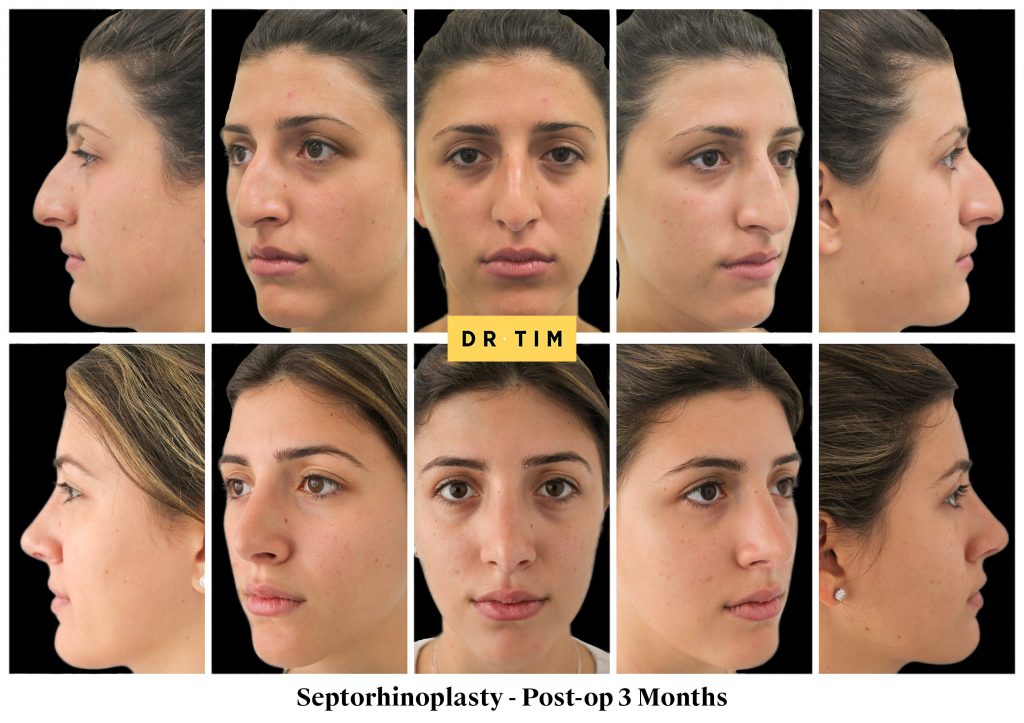
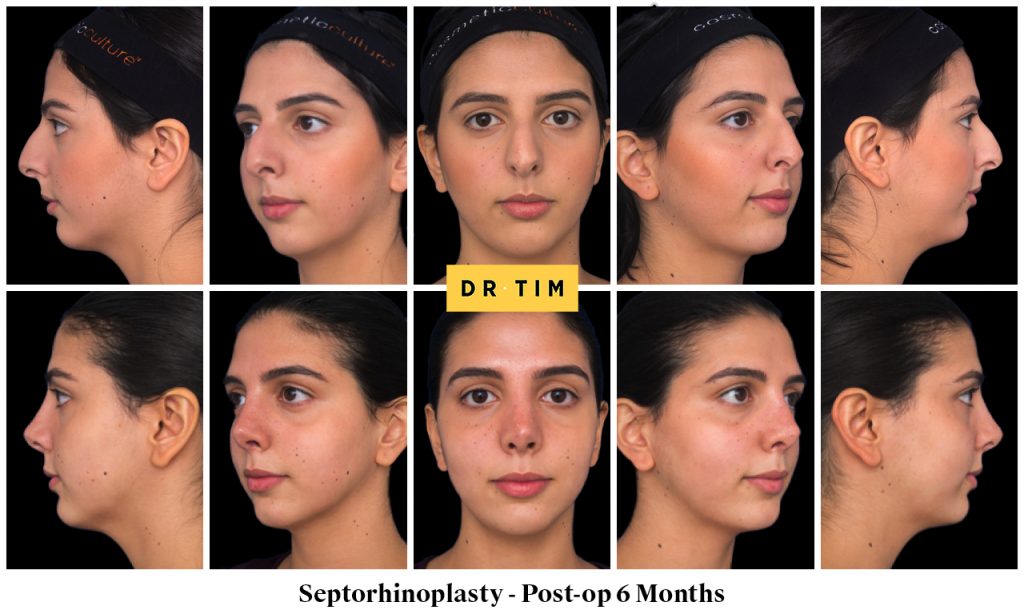
These photos are of consented patients of this clinic/medical practitioner and have not been altered or digitally enhanced.
Outcomes shown are only relevant for this patient and do not necessarily reflect the results other patients may experience, as results may vary due to many factors including the individual’s genetics, diet and exercise.
Click on the images below to enlarge