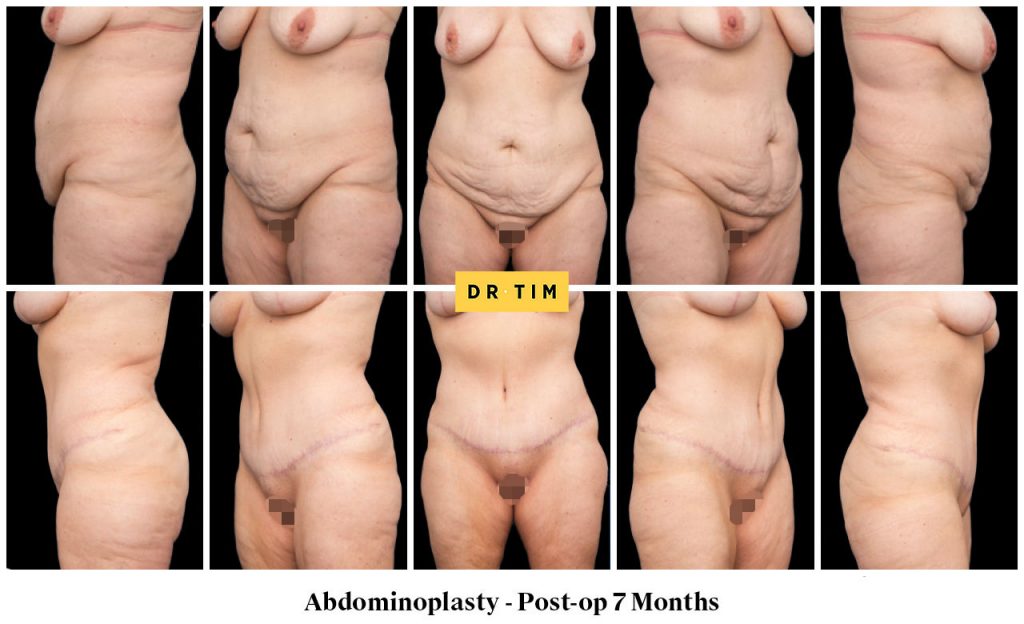
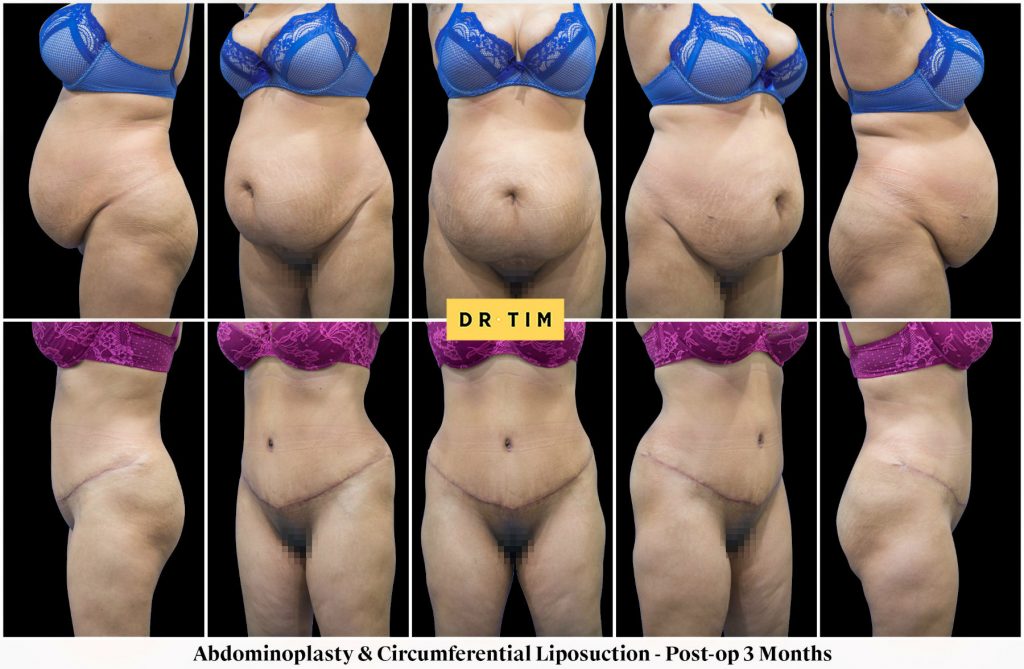
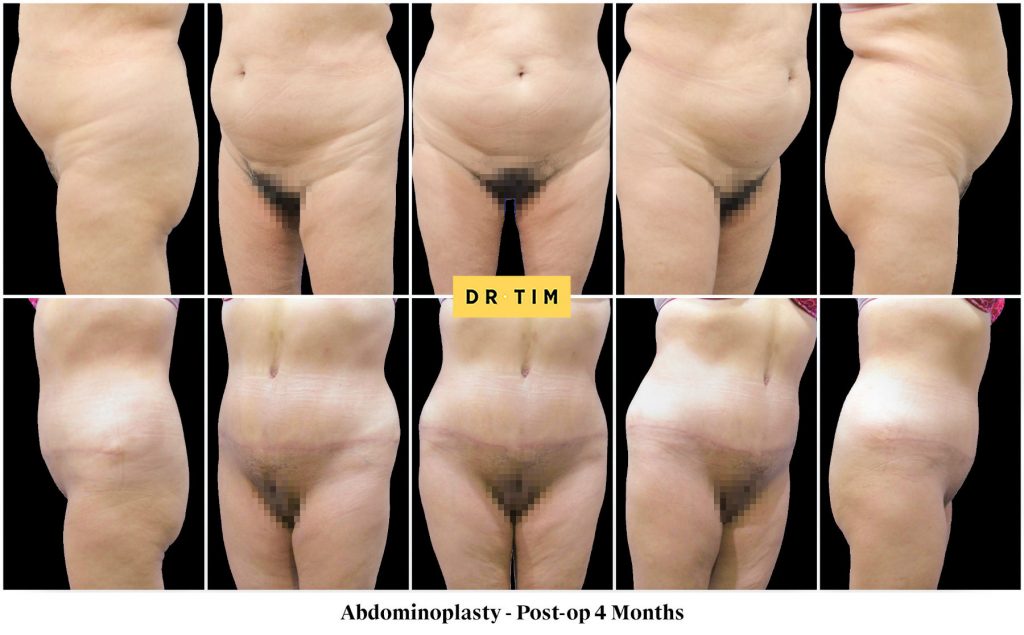
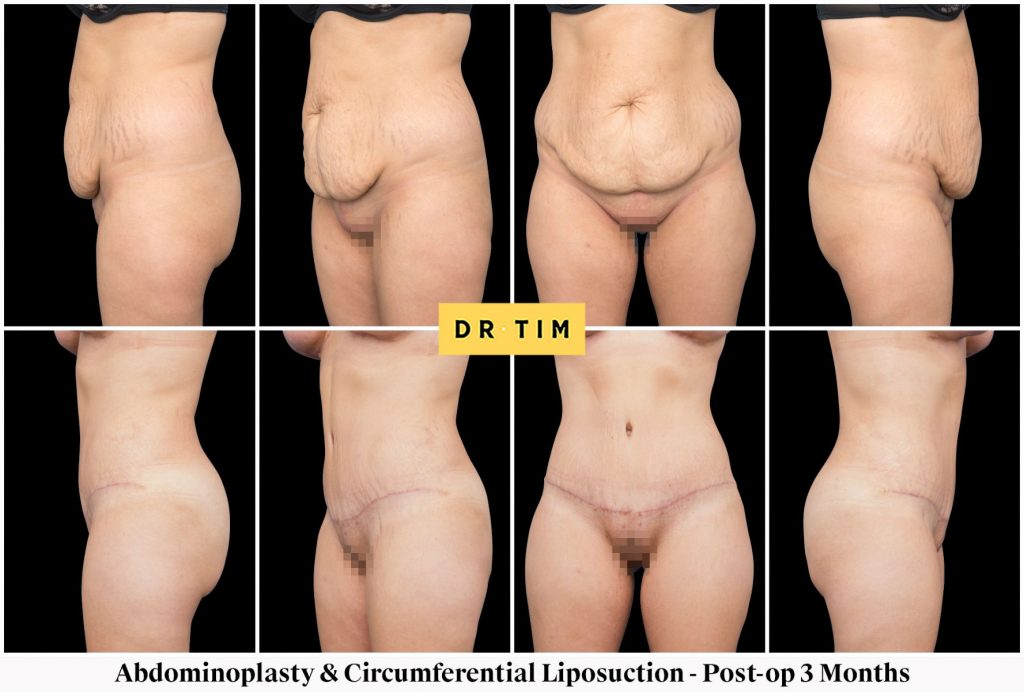
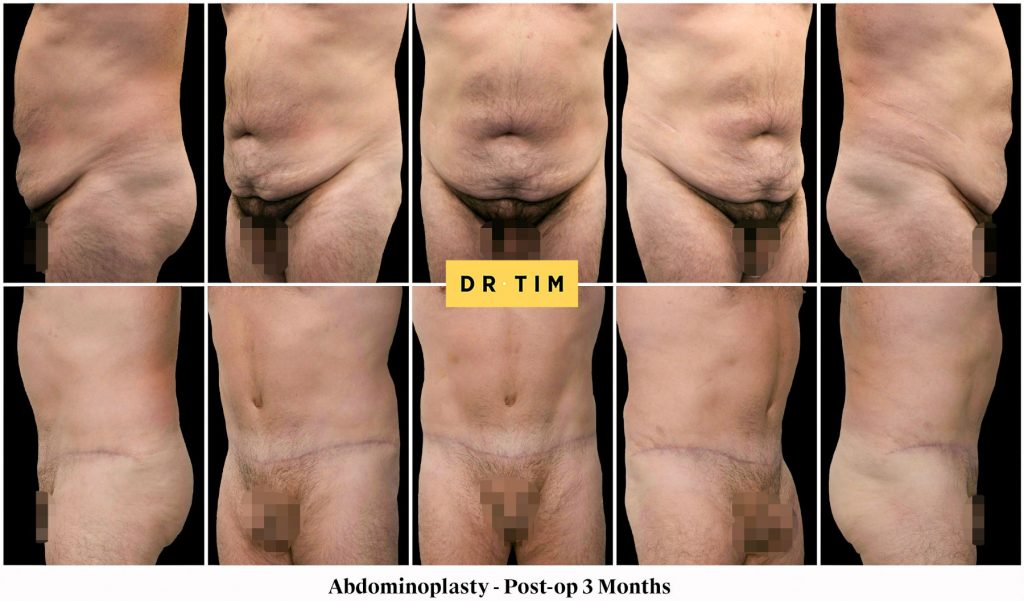
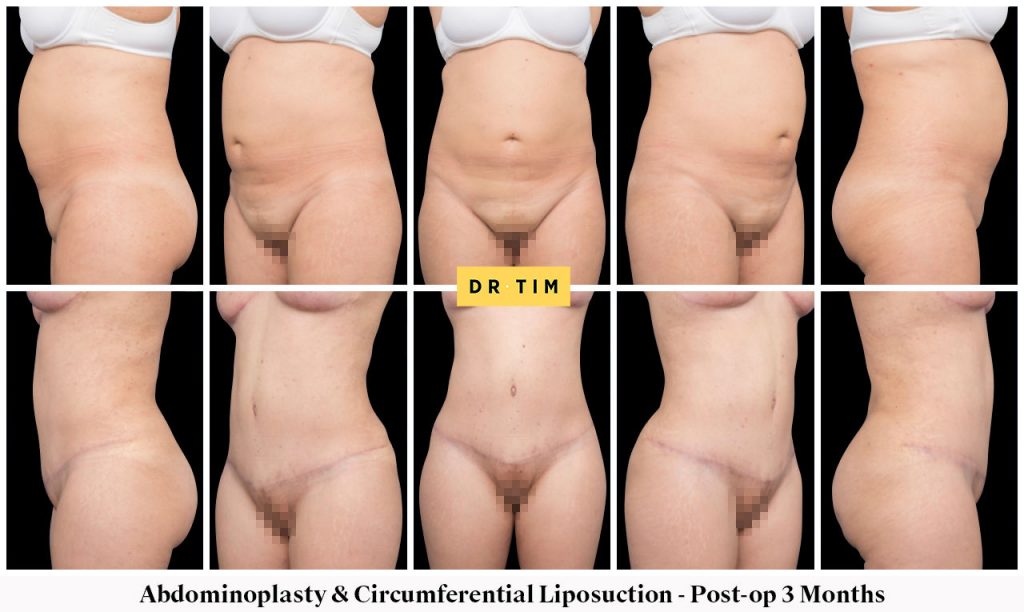
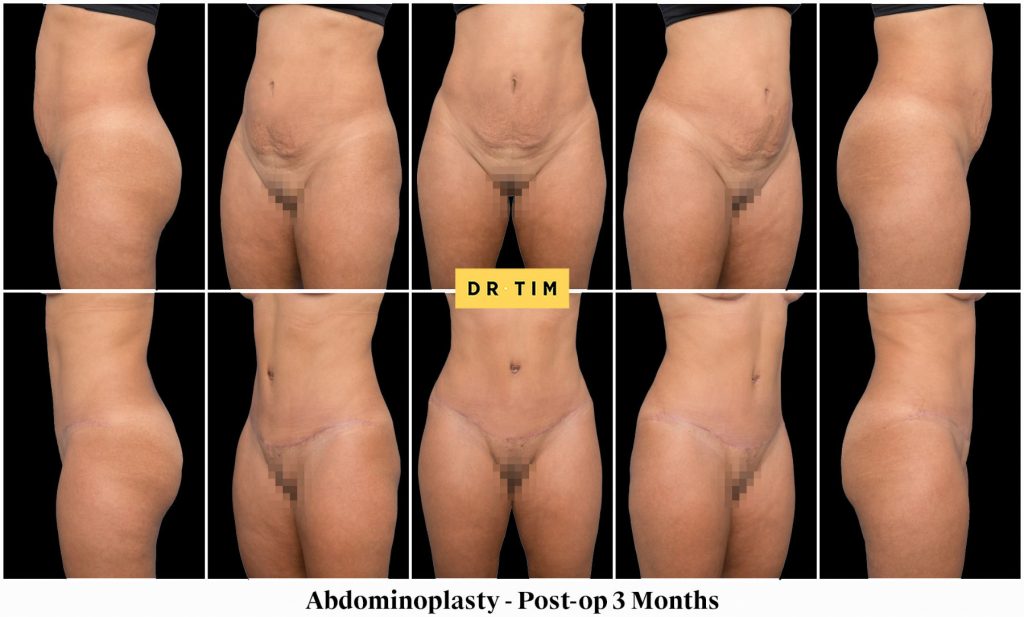
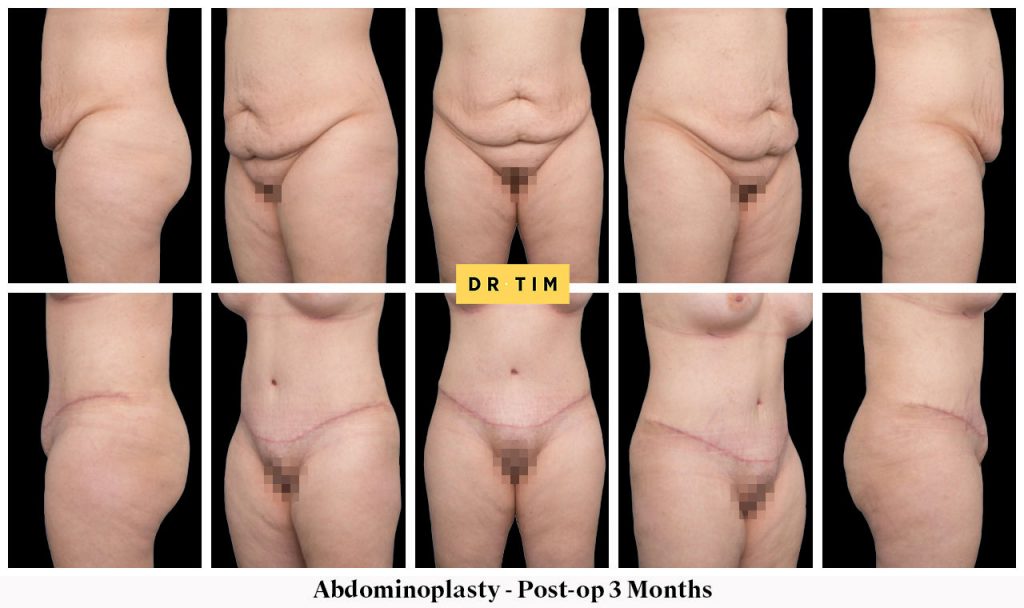
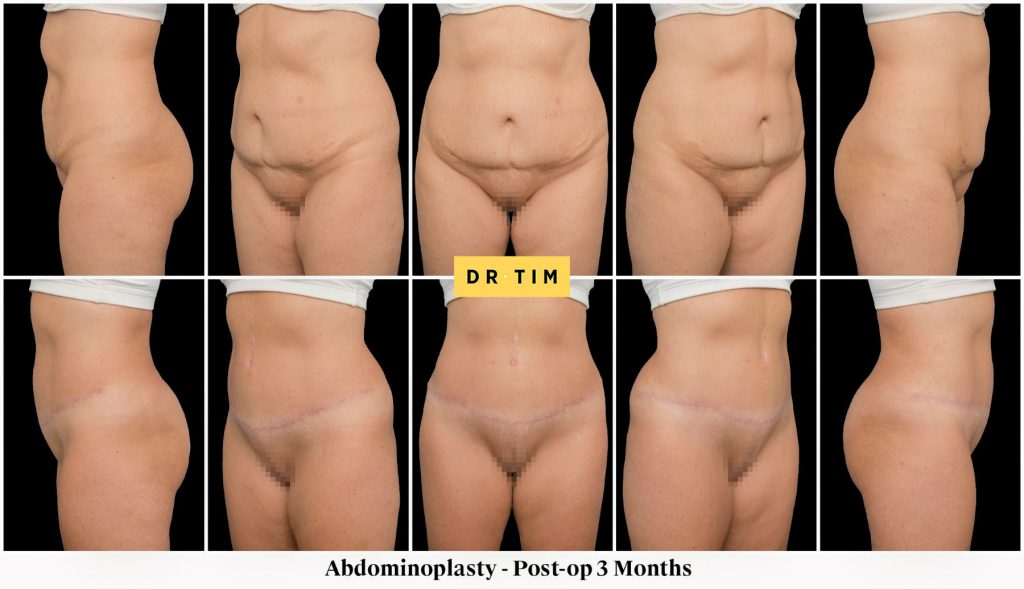
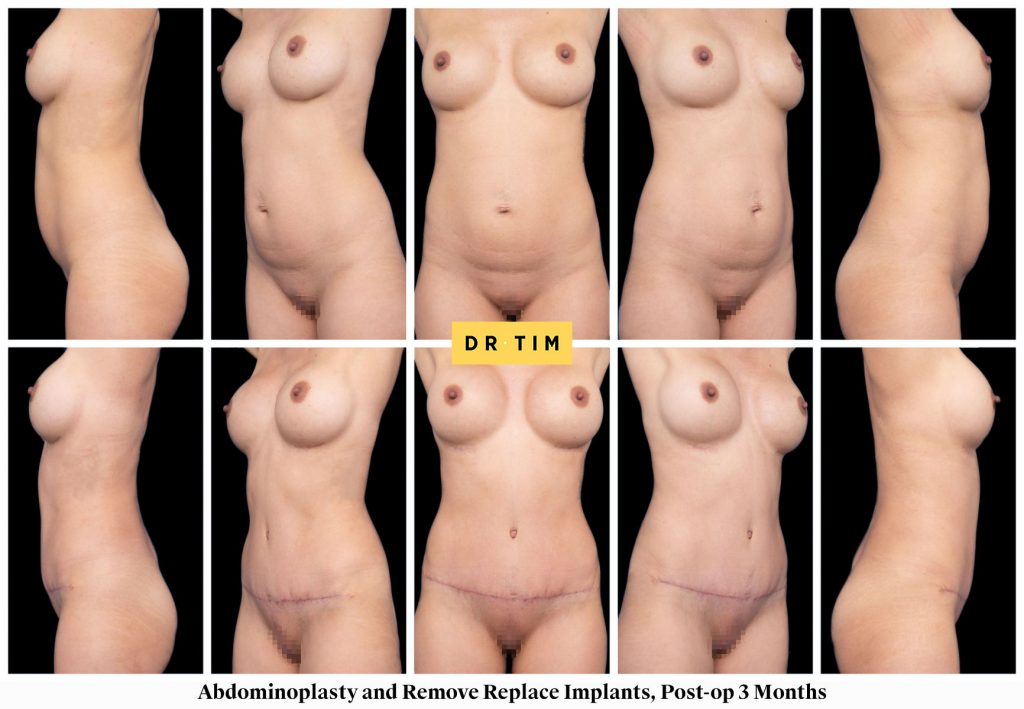
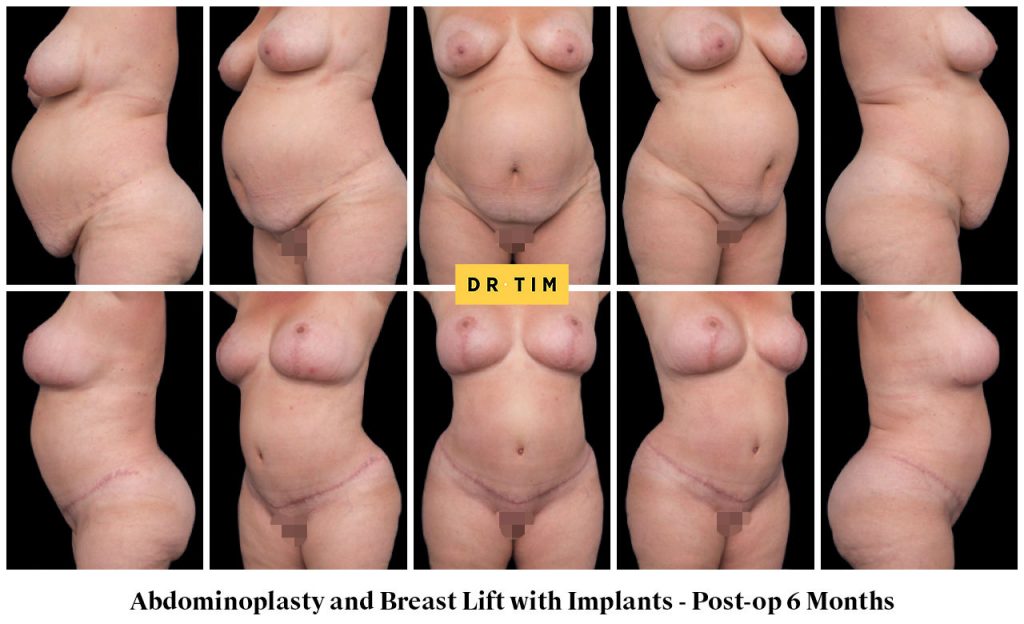
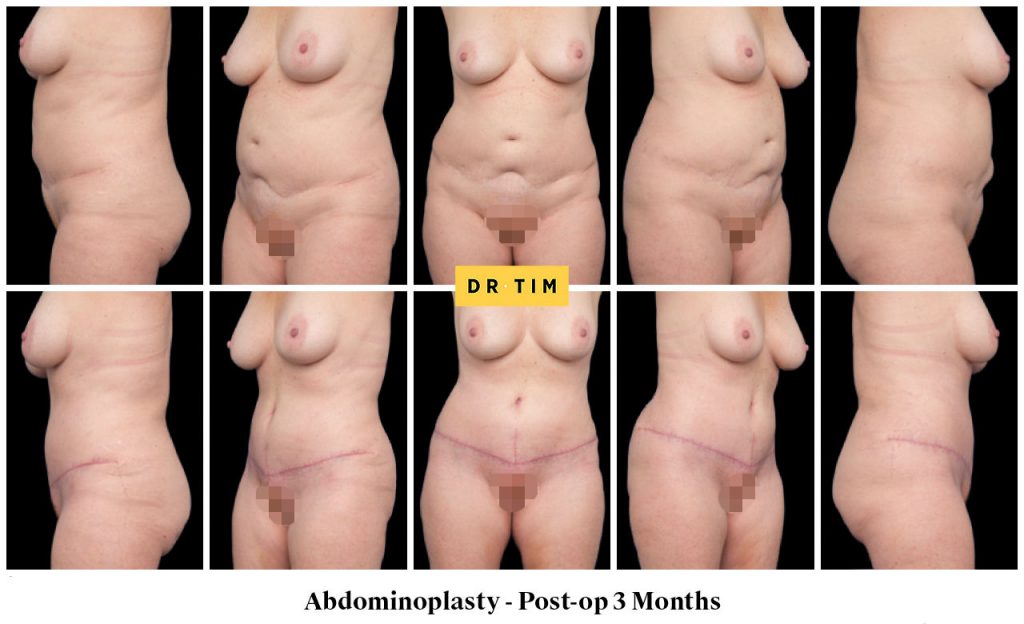
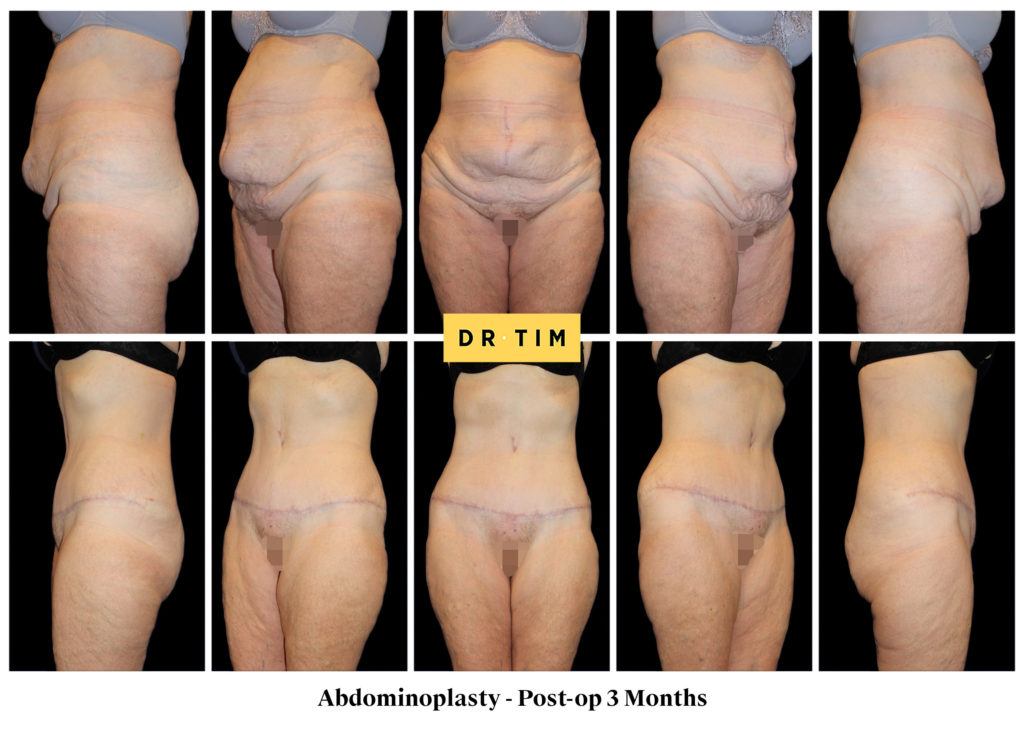
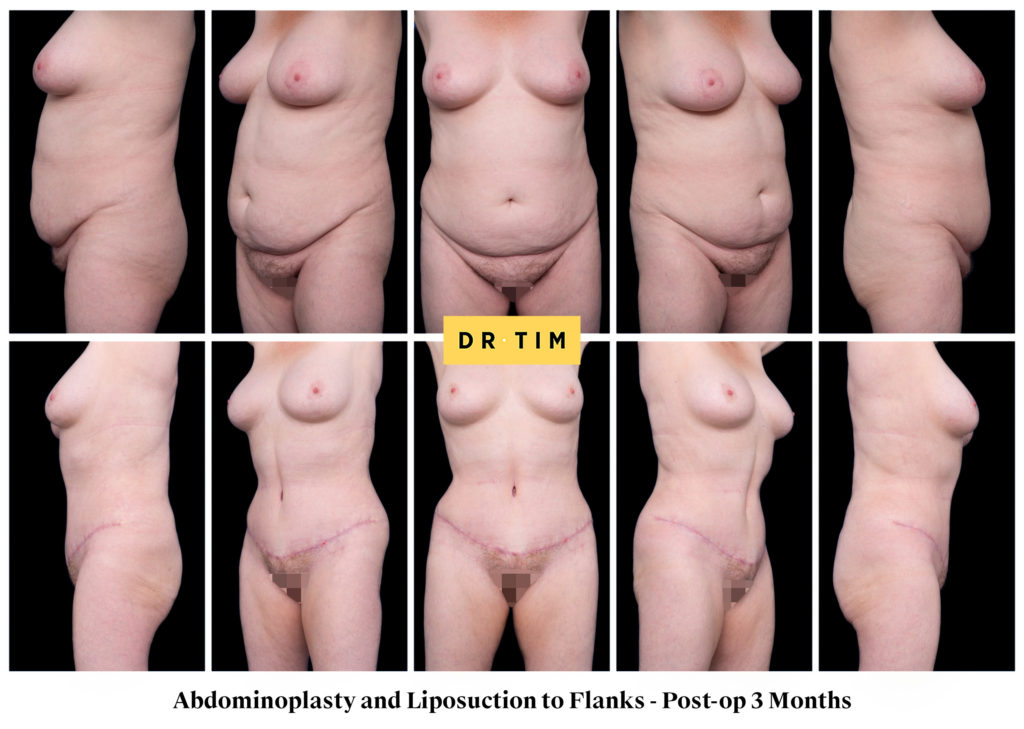
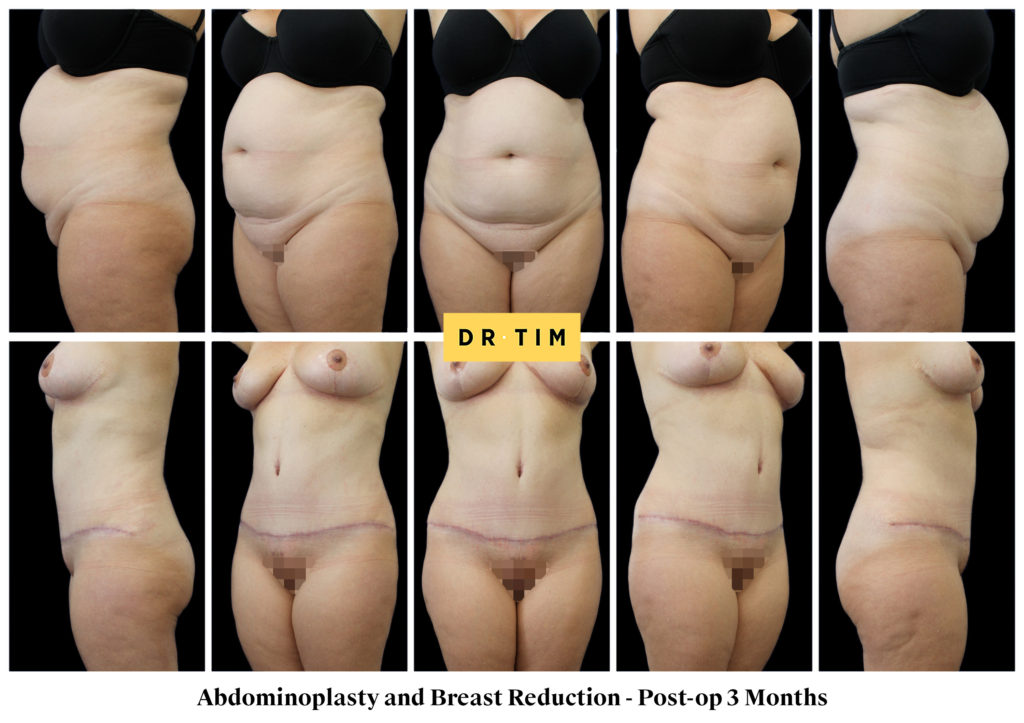
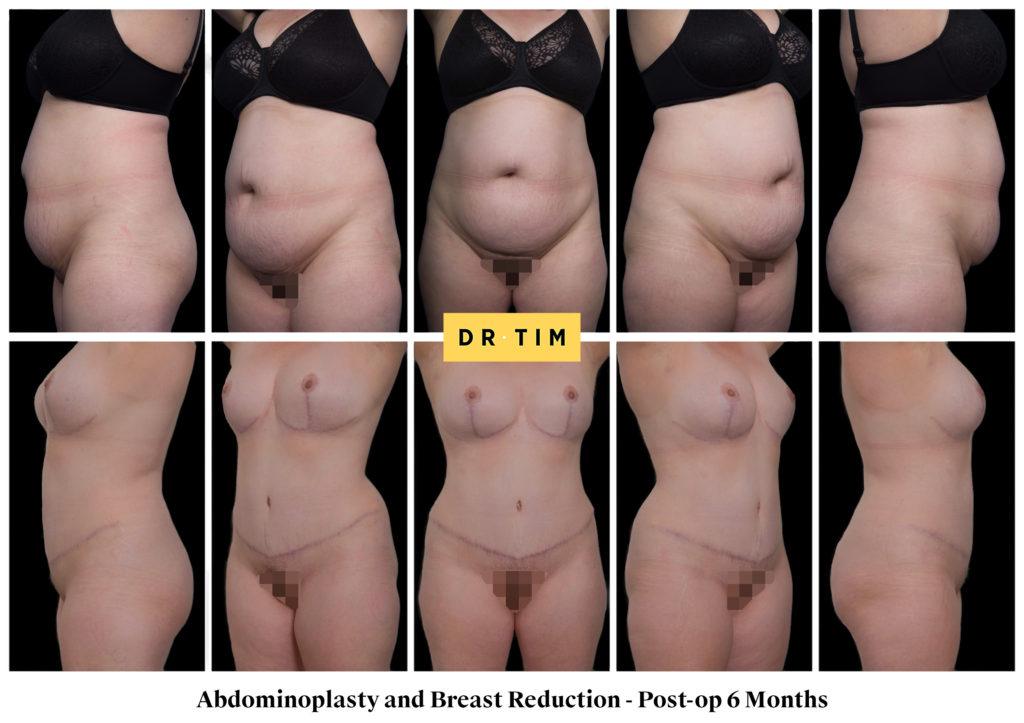
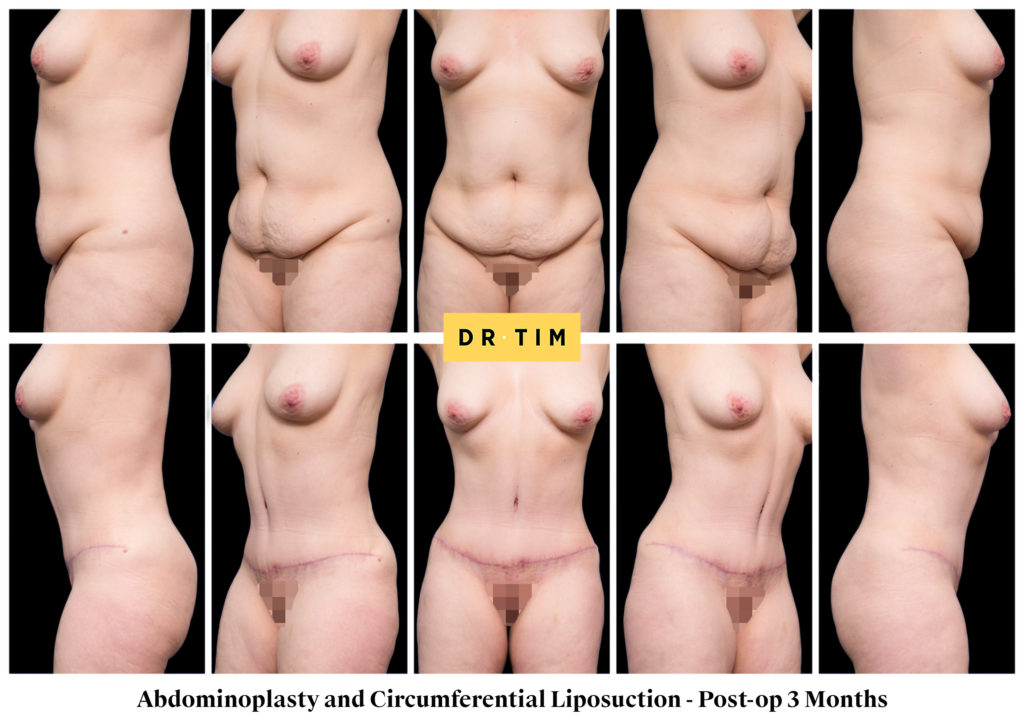
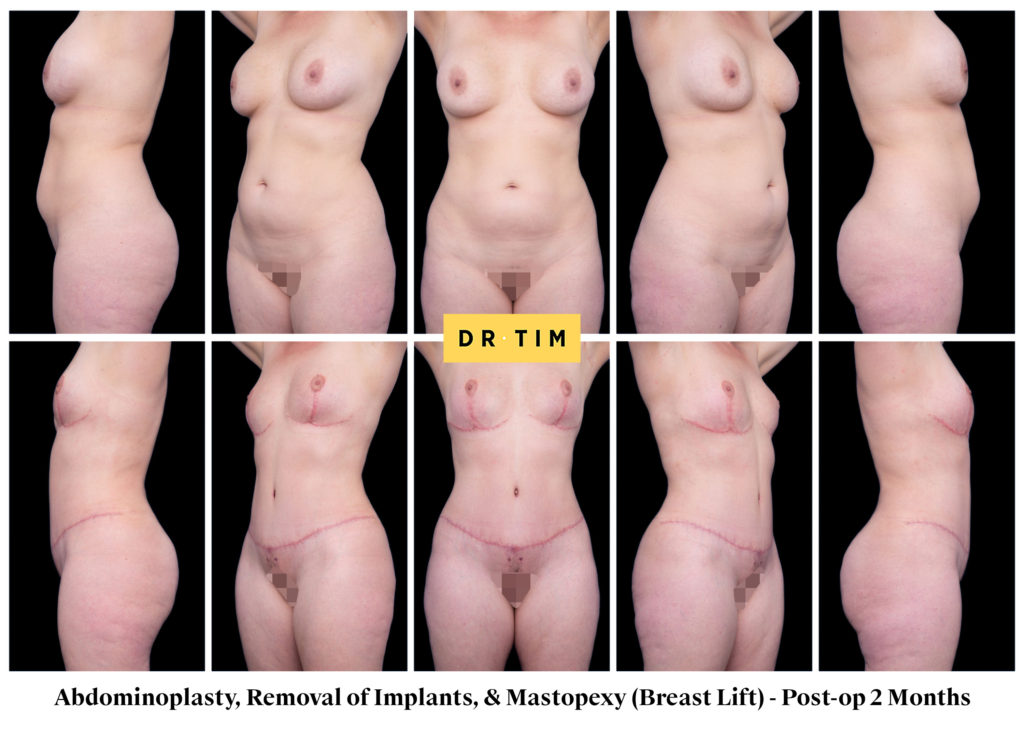
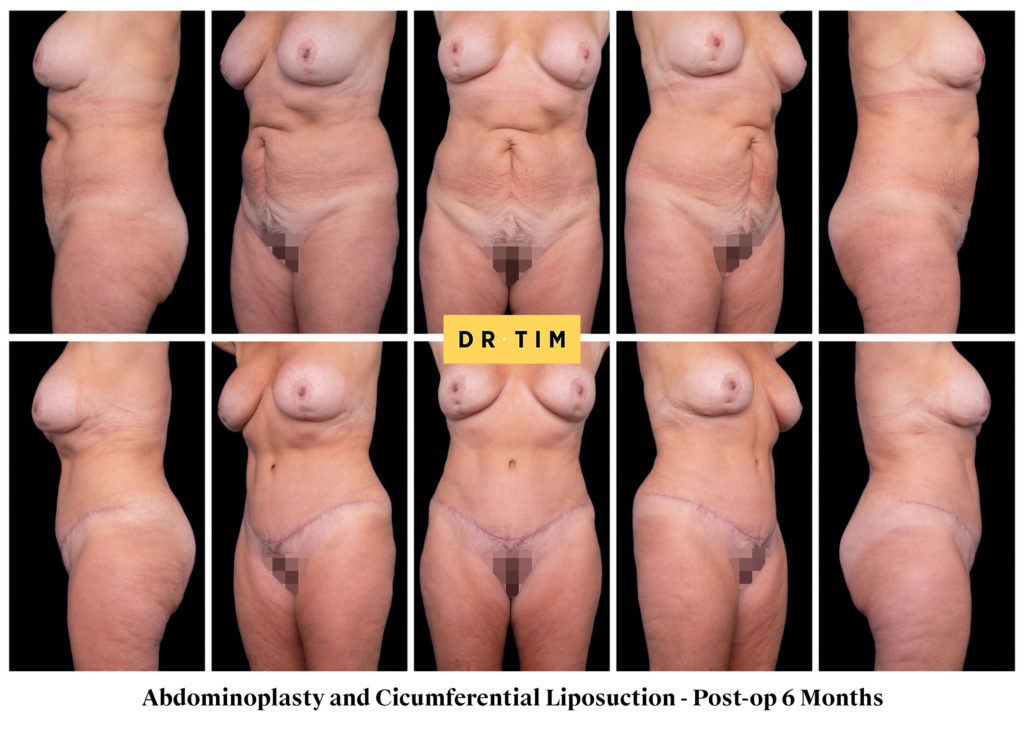
- Abdominoplasty (Tummy Tuck) is a procedure focused on removing excess skin or fat around the midsection, while the underlying muscles are tightened or repaired.
- Pregnancy and significant weight fluctuations may affect the result, so it’s generally advised to consider this procedure after you’ve finished having children and your weight has been stable for some time.
- The procedure involves making incisions across the lower abdomen. Incisions are carefully placed by Dr. Tim to maximise concealment, and scars will generally fade over time.
Abdominoplasty surgery is performed under general anaesthesia as an inpatient in hospital.
Surgery can take from 2 to 4 hours and you’ll be required to stay in hospital for 3 to 4 days. You will most likely have drains in which will determine your length of stay in hospital.
You can generally return to work within 2 – 4 weeks, however, strenuous activity should be avoided for 6 weeks.
It’s recommended that you wear an abdominal binder for up to 6 weeks to provide comfort and support as you heal. You are also required to wear a compression girdle for support and to ensure that tissues are kept compressed to avoid dimpling.
As part of our commitment to your safety and satisfaction, all patients looking into cosmetic surgery will have at least two pre-operative consultations. Your journey will kick-off with a warm and thorough consultation with Dr. Tim or another registered health practitioner from his team. This is where we get to understand your aspirations and assess your overall health.
Dr. Tim firmly believes in transparent communication. He will take the time to go through the abdominoplasty procedure in detail, talking about what to expect, potential risks, and how the recovery will look like.
At least one of your consultations will be a face-to-face meeting with Dr. Tim, while the rest could be either in-person or over a video call.
Each consultation provides an opportunity to chat about your desired results and to get professional advice from Dr. Tim based on his extensive experience.
Dr. Tim's goal is to equip you with the knowledge and information necessary to make a fully informed decision about whether abdominoplasty is the right choice for you.
Yes, we require all our patients to have a referral to schedule a cosmetic consultation. It's best if this comes from your regular general practitioner but if that's not possible, any other general practitioner or specialist medical practitioner will be suitable.
Definitely! Dr. Tim places a strong emphasis on the psychological well-being of all his patients. We believe that a healthy mind is important to ensure you’re making this decision for the right reasons.
Dr. Tim or a registered health practitioner from his team will carry out a mandatory psychological assessment. This means that before any cosmetic surgery is planned, we will discuss with you your motivations for the procedure.
We also encourage an open conversation about your surgical history. If another practitioner has declined to provide you cosmetic surgery, we need to hear about it so we can better understand your history and help you choose the best course of action.
Please remember, our primary goal is your well-being. This means that there may be instances where we might advise against cosmetic surgery if it appears not to be in your best interest. We'll be sure to discuss this in detail with you and offer alternative suggestions for care and support.
To ensure that you're absolutely confident with your decision, we require a cooling-off period of at least seven days after your two consultations and signing of the consent forms. This provides you with some space and time to think about your decision and ask any more questions that might pop up.
Yes, your surgery will be performed in a facility accredited by an Australian Commission on Safety and Quality in Health Care (ACSQHC) approved agency.
We will be staffed and equipped to manage any complications and emergencies.
While complications are rare and Dr Tim takes every precaution to minimise risks, potential complications can include infection, bleeding, poor healing of incisions, and changes in skin sensation.
For more information see the Risks of Tummy Tuck section above.
Dr Tim will discuss these in more detail during your consultation.
Abdominoplasty is primarily considered a cosmetic procedure, which means that it may not be covered by most insurance policies. However, in certain cases where there is a medical necessity, insurance companies may provide partial coverage. It is recommended to contact your insurance provider directly to inquire about specific coverage details and requirements.
Abdominoplasty is typically performed under general anesthesia. This means that you will be asleep throughout the procedure and will not experience any pain or discomfort. The administration of general anesthesia ensures that you remain comfortable and unaware during the surgery. An experienced anesthesiologist will be present to monitor your vital signs and ensure your safety throughout the procedure.
Yes, there will be a scar following abdominoplasty surgery. However, Dr Tim places the incision low on the abdomen where it can be easily concealed by underwear or a bathing suit.
Maintaining a stable weight through a balanced diet and regular exercise will help preserve your tummy tuck results. Significant weight fluctuations can affect the results..
To prepare for abdominoplasty, Dr Tim may provide specific instructions tailored to your individual circumstances. This may include quitting smoking, avoiding certain medications that can interfere with the surgery or recovery process, and maintaining a healthy lifestyle. Following these recommendations can help optimise your body's condition for the procedure and increase the chances of an optimal overall surgical experience.
The results of abdominoplasty are typically long-lasting, especially if you maintain a stable weight after the surgery. However, it's important to note that factors such as natural aging and future pregnancies can influence the longevity of the results. Dr Tim will provide guidance on how to best preserve and maximise the outcomes of your abdominoplasty procedure based on your individual circumstances.
Significant weight gain can impact the results of your tummy tuck, possibly causing the skin to stretch and muscles to separate again. It's best to maintain a stable weight to preserve your results.
While it's technically possible to have more children after abdominoplasty, pregnancies can stretch the skin and muscles and may reverse the results of the surgery. It is generally recommended to wait until you're done having children before undergoing Abdominoplasty
A mini tummy tuck typically focuses on the lower abdomen, while a full abdominoplasty addresses broader skin laxity and muscle separation. Dr Tim will advise the most appropriate option after assessment.
In selected patients, Dr Tim may recommend a no-drain tummy tuck technique using progressive tension sutures. Suitability depends on anatomy and surgical planning.
Yes—Dr Tim may combine abdominoplasty with liposuction in selected patients to refine contour. However, safety and tissue blood supply always guide decision-making.
For many patients, abdominoplasty forms a key component of post-massive weight loss surgery, particularly where excess abdominal skin persists after weight stabilisation.
Although there is an immediate change to your body shape, most patients see final results in 12 months.
It may also take up to 12 months for your scar to mature and sensation in the area to return.
Results are permanent as long as your weight remains stable, but a Tummy Tuck isn’t a substitute for an active and healthy lifestyle.
Risks of Abdominoplasty (Tummy Tuck)
Like any surgical procedure, abdominoplasty comes with its potential risks and complications. Dr. Tim believes in transparency and ensures that patients are well-informed about all possible outcomes. Here are a few risks associated with this surgery:
Bleeding: As with any surgery, there’s a risk of bleeding during and after the procedure. Dr. Tim takes every precaution to minimise this risk.
Infection: While rare, infections can occur after any surgical procedure. Should an infection occur, it’s typically treatable with antibiotics.
Scarring: The incisions from a tummy tuck will result in some degree of scarring. However, Dr. Tim’s surgical techniques are designed to reduce visible scarring, and any remaining scars often fade over time.
Changes in Skin Sensation: You may experience temporary changes in skin sensation around the surgical site, including numbness or tingling. This usually resolves over time.
Poor Wound Healing: Some individuals may experience delayed wound healing or wound separation. This is more common in smokers and individuals with certain medical conditions.
Seroma: This is a condition where fluid accumulates under the skin following surgery. If this happens, it may need to be drained.
Dr. Tim will discuss these risks thoroughly with you during your consultation. His extensive experience and commitment to patient safety help to minimise these risks and promote an optimal surgical outcome.
Recovery after Abdominoplasty surgery
Recovery from abdominoplasty can be a gradual process, but Dr. Tim’s experience and personalised care approach ensure your surgery and recovery is as comfortable as possible.
Here’s a general timeline and steps of the recovery process:
Immediate Post-Procedure: Abdominoplasty typically lasts between 2 to 4 hours, after which you will stay in hospital for 3 to 4 days. Dr. Tim may use drains to aid your recovery, which could influence the length of your hospital stay. Following surgery, Dr. Tim will provide you with detailed instructions for post-operative care, which includes managing any discomfort with prescribed medications.
First Few Weeks: Once you’re discharged from the hospital, you should expect to experience some discomfort, swelling, and bruising – all typical aspects of the healing process.
You can generally return to work within 2 – 4 weeks depending on your job. Strenuous activities should be avoided during the first 6 weeks, but light walking is encouraged to help improve blood circulation and aid recovery. Dr TIm will usually advise you to wear an abdominal binder for up to 6 weeks post-surgery to support your midsection and reduce swelling.
You are also required to wear a compression girdle for support and to ensure that tissues are kept compressed to avoid dimpling.
Six Weeks Post-Surgery: By this time, most swelling should have subsided, and you may begin to appreciate the results of the procedure. However, do remember that final results may take several months to be fully visible.
12 Months Onward: This is typically when your body has had sufficient time to recover fully, and you may start to appreciate the most significant changes resulting from the surgery. However, everyone’s recovery timeline is different, and patience is crucial in this period.
Please note that individual recovery timelines can vary, and it’s important to follow all post-operative care instructions given by Dr. Tim’s team. This includes instructions about taking prescribed medications, caring for the surgical site, and scheduling and attending follow-up visits.
This content is suitable for an 18+/adult audience only
These photos are of consented patients of this clinic/medical practitioner and have not been altered or digitally enhanced.
Outcomes shown are only relevant for this patient and do not necessarily reflect the results other patients may experience, as results may vary due to many factors including the individual’s genetics, diet and exercise.
Click on the images below to enlarge